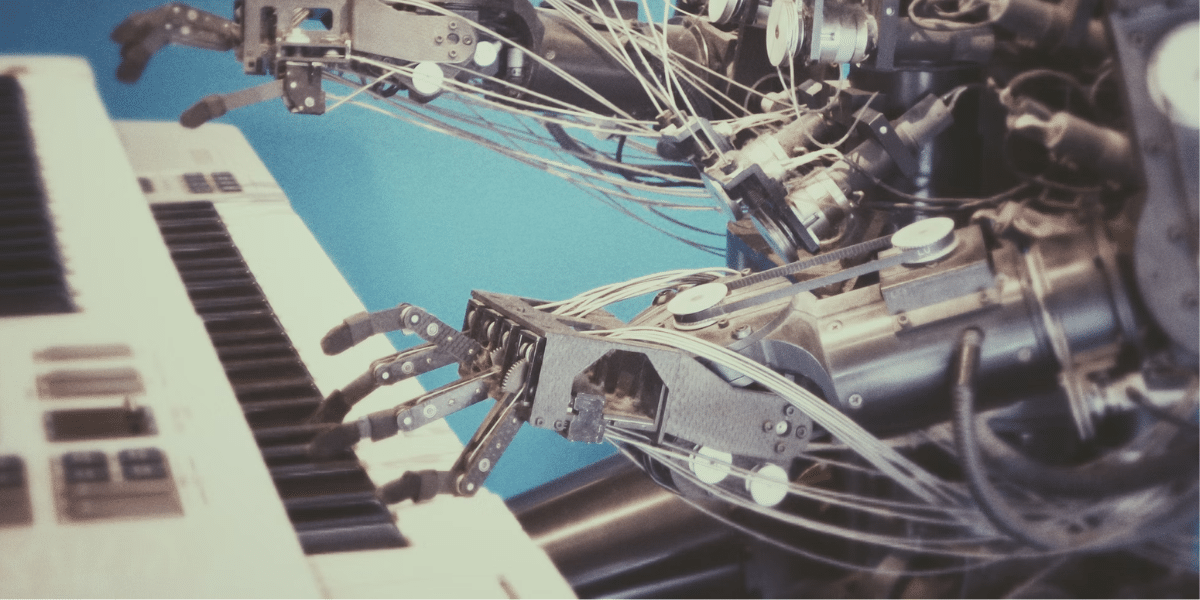
The emergence of artificial intelligence (AI) is having a huge impact on the music industry, affecting everything from music distribution to music creation and copyright measures. As AI technologies advance, they’re opening up new opportunities while also presenting new challenges for musicians, producers, and listeners.
AI has completely changed the way music can be found on streaming services. Streaming platforms such as Spotify, Apple Music, and YouTube Music employ advanced AI technologies that enable users to receive custom playlists and recommendations based on their listening patterns. This has enabled the platforms to interlink the users and the artists, particularly independent artists, to new platforms.
“AI has transformed how we search for music,” says Eileen Richardson, CEO of DiaDan Holdings Ltd and former owner of the legendary L.A.-based recording studio the Evergreen Stage. “AI allows listeners to explore music that fits their taste by analyzing their listening patterns while allowing independent musicians to attract a wider audience. For artists, this degree of exposure is incredibly difficult to dream of achieving.”
This ability to discover music tailored to personal tastes has become a crucial element in the user experience, helping artists gain global visibility and engagement, regardless of their size or label backing.
AI in Music Production: Empowering Creativity
AI has also had an equally revolutionary impact on the production side of music. AI-based platforms like Amper Music, Aiva, and Jukedeck allow users to create, compose, and produce music, often without formal music training. These tools make it possible for musicians and producers to create the desired sound, form, and genre, lowering the barrier to entry for aspiring creators.
AI is a powerful tool for music makers, enhancing creativity for artists and producers. It provides access to tools that were once reserved for those with more expertise. Now, artists can explore new ways to create, incorporating sounds and ideas that may have been too complicated to achieve in the past.
While AI-generated music is appreciated for being technically proficient, it sparks a conversation about whether it can replicate the emotional depth of music created by humans. Nevertheless, it provides valuable resources for artists to experiment and innovate.
AI in Copyright: Protection and Monitoring
In an age where music is easily shared across the internet, the protection of works has become an increasingly important aspect for creators. For instance, YouTube has demonstrated that AI is helpful by employing computerized frameworks to detect infringement. Copyright is beneficial, particularly for an audience that may not wish to sue. Such technology makes it easy for the artist and the rights holders to share their works, monitor them on the web easily, and also reclaim ownership of their work.
AI is a crucial tool in the protection of creators’ rights in modern times. It helps artists get paid for the use of their work by enabling more sophisticated systems that detect and track illegal musical uploads, allowing them to maintain ownership of their creations.
No matter how difficult upholding copyright may be at times, these AI-programmed tools make it fast and easy to do this task effectively for the benefit of artists who are using AI technology.
With the invention of AI, the music industry has experienced revolutionary changes, creating new means of searching for songs and protecting copyrights. The advantages of AI are unarguable, but there are fears regarding the erosion of emotional values and imaginative abilities in music that is created by AI. The best way forward will see AI not replacing the human element in music but rather complementing it.
Richardson states that AI should be seen as a tool that enhances creativity and rights management. It may open up new possibilities, but the authenticity and emotional depth of music will always remain at the heart of what makes it meaningful. The future of music lies in the junction of human artistry and technological innovation.
Published by: Gracia M.