U2 Announce 2027 Stadium Tour The Greatest Show On Earth Ahead of New Album Carnaval De Luz on November 13

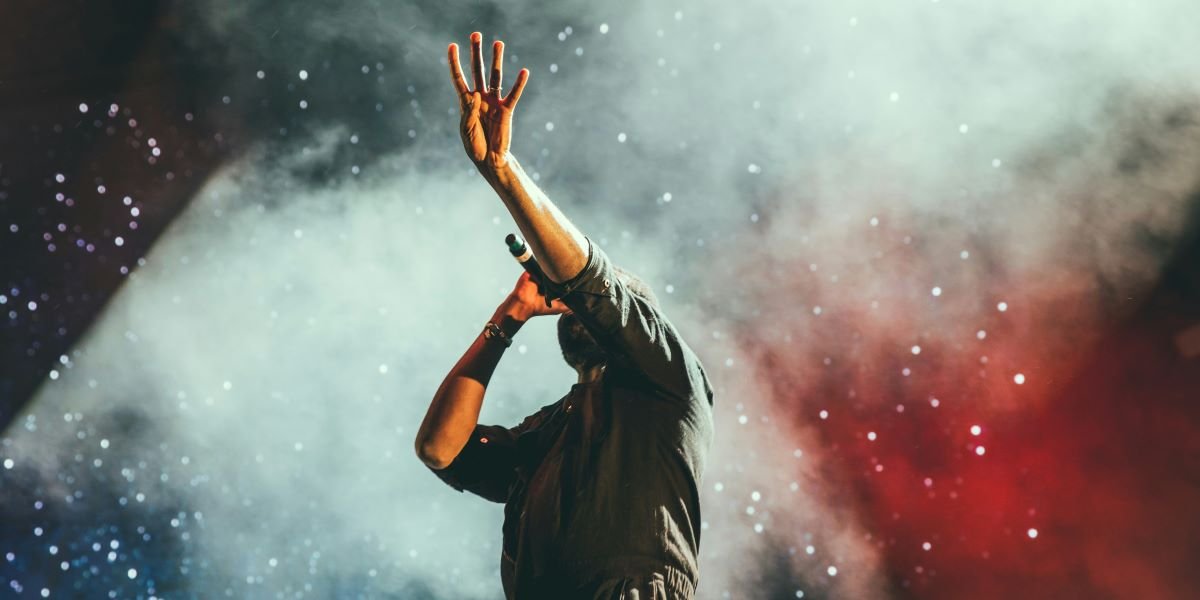
U2 will open The Greatest Show On Earth, their 2027 world tour, at Mexico City’s Estadio GNP Seguros on February 23, with Beck supporting. The stadium run backs Carnaval De Luz, the band’s 16th studio album and first album of new material in nine years, arriving November 13 through Island Records.
Key Takeaways
- The tour marks U2’s first stadium dates since The Joshua Tree Tour ended in Mumbai on December 15, 2019.
- Six Latin American dates are confirmed across Mexico City, São Paulo and Buenos Aires in February and March 2027, all with Beck as support.
- General on-sale opens October 22 for São Paulo and Buenos Aires and October 23 for Mexico City, at 10 a.m. local time.
- European and North American dates will be announced in the coming weeks, with a homecoming show in Ireland in the works.
- Carnaval De Luz features Rosalía, Dolly Parton, Brian Eno, Martin Garrix, Daniel Lanois and additional production from Ryan Tedder.
- U2 will also headline the halftime show of the NFL’s first Thanksgiving Eve game on November 25.
U2 Tour 2027 Marks The Band’s First Stadium Dates Since 2019
The Greatest Show On Earth returns U2 to the format that defined the band’s touring identity for decades. The group last played stadiums on The Joshua Tree Tour, which closed at DY Patil Stadium in Mumbai in December 2019 after reaching almost 3 million fans worldwide. In the years since, U2 focused on a Las Vegas residency built around a single album, so the 2027 run is a different proposition: a full stadium production with a set list drawn from across the band’s entire catalogue.
The band framed the tour title as a challenge to itself. In a joint statement, Bono, The Edge, Adam Clayton and Larry Mullen Jr. described the show as “a bit of showman, a bit of shaman, a riot of colour,” promising loud guitars and songs built to stick.
Latin America First, With North America And Europe To Follow
U2 is opening in Latin America before announcing a single North American date, an unusual sequence for a band of its scale. The confirmed run plays Estadio GNP Seguros in Mexico City on February 23 and 26, Estádio MorumBIS in São Paulo on March 10 and 12, and Estadio River Plate in Buenos Aires on March 23 and 25. These are the only three Latin American cities on the 2027 itinerary.
Fan-club presales ran October 19 through 21. General on-sale opens Thursday, October 22, at 10 a.m. local time for São Paulo and Buenos Aires, and Friday, October 23, at 10 a.m. local time for Mexico City. European and North American dates are expected in the coming weeks, and U2 joins a 2027 stadium calendar that already includes Harry Styles’ 25-date 2027 stadium run.
Carnaval De Luz Is U2’s New Album For 2026
Carnaval De Luz arrives November 13 as U2’s 16th studio album and first collection of new material since 2017. The 12-track record grew from the same sessions as Days of Ash and Easter Lily, the two six-track EPs the band surprise-released in early 2026. Counting those releases, U2 will have put out 24 new songs during 2026, the band’s 50th year.
The collaborator list stretches across genres and generations. Rosalía appears on “The Mirror Maker,” and Dolly Parton features on closing track “Torn,” which also includes pedal steel from longtime producer Daniel Lanois. Brian Eno co-wrote and played synthesizers on three songs, Martin Garrix co-wrote “Glorify,” and Ryan Tedder added production to “Silencio.” Three singles have preceded the album: “Street of Dreams,” “Silencio” and “The Greatest Show On Earth.”
The Greatest Show On Earth Single Sets The Tone
The tour shares its name with the album’s third single, co-written by U2 and Brian Eno, the producer behind The Unforgettable Fire, The Joshua Tree and Achtung Baby. The band describes the song as a story of lovers fighting to keep faith in each other. Its music video, directed by longtime visual collaborator Anton Corbijn, was filmed in the California desert.
Pairing a new single with a tour announcement gives the album a clear runway. With “Street of Dreams” and “Silencio” already out, the third single arrived less than a month before release and doubles as the tour’s thesis statement.
U2’s 50th Year Builds Toward A Thanksgiving Eve Halftime Show
The tour lands at the end of a milestone year. U2 formed in Dublin in 1976, and 2026 has brought two EPs, a new album and recognition from MusiCares, which named the band its 2027 Persons of the Year for five decades of music and humanitarian work. Before the album cycle turns to the road, U2 will headline the halftime show at the NFL’s first Thanksgiving Eve game on Wednesday, November 25, less than two weeks after Carnaval De Luz arrives.
FAQs
Will U2 Tour In 2027?
Yes. U2’s The Greatest Show On Earth World Tour opens February 23, 2027, in Mexico City, with additional dates in São Paulo and Buenos Aires in March.
Will U2 Tour Again In North America And Europe?
Yes. U2 says European and North American dates for 2027 will be announced in the coming weeks, with plans for a return to Ireland.
When Is U2’s New Album Coming Out?
Carnaval De Luz, U2’s 16th studio album, will be released November 13, 2026, through Island Records.
Does U2 Have A New Album In 2026?
Yes. Carnaval De Luz is U2’s first album of new material in nine years. The band also released two EPs in 2026, Days of Ash and Easter Lily.
Who Is Opening For U2 On The 2027 Tour?
Beck supports U2 on all six announced Latin American dates. Support acts for European and North American shows have not been announced.