
Spotify Introduces “AI Persona” Labels and Blocks AI-Generated Artists From Recommendations

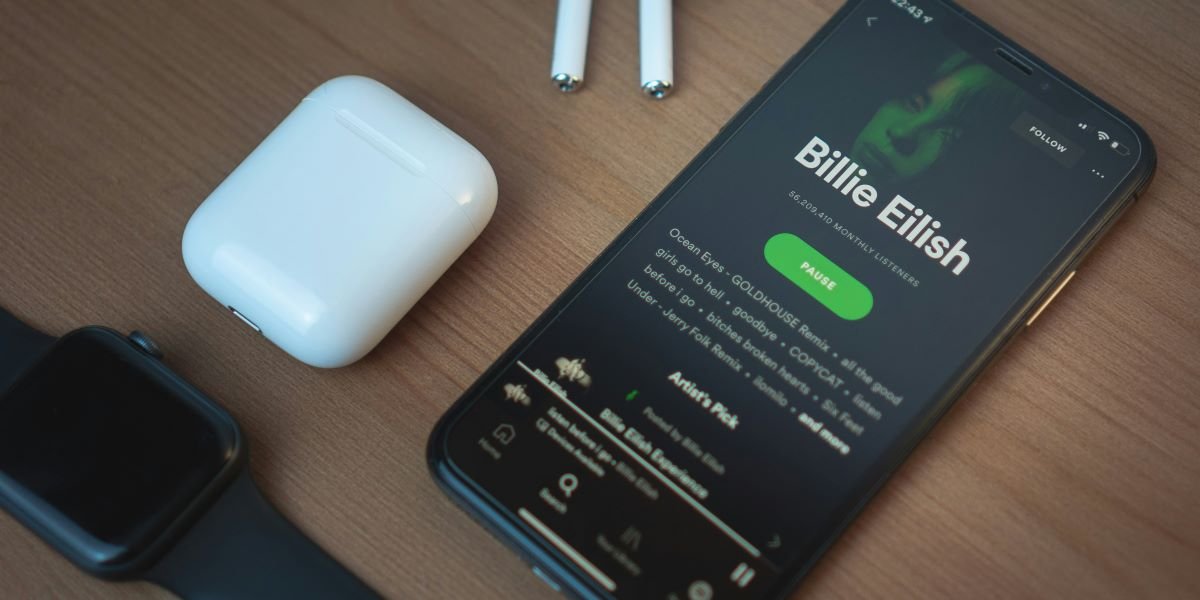
Spotify announced on August 11 that it will begin labeling artist profiles built around artificial intelligence-generated identities with a new “AI Persona” badge, making it the first major streaming platform to target the identity layer of AI music rather than the audio content alone. The badges will appear on artist profiles starting in mid-September, and music from labeled accounts will be excluded from all editorial, algorithmic, and personalized recommendations by default. Self-disclosure opened immediately through Spotify for Artists, but the company said it will not depend on voluntary participation alone and will proactively review profiles it suspects of using photorealistic AI-generated identities.
Key Takeaways
- Two badge types will be applied: “AI Persona” for artists who self-disclose and “Likely AI Persona” for profiles Spotify identifies through its own review process, which combines human reviewers and AI-powered detection.
- Music from badged profiles will be excluded from Discover Weekly, Release Radar, and all editorial and algorithmic recommendations unless a listener explicitly follows the artist.
- Badges will appear on artist profile banners, About sections, Search results, and track rows across playlists starting mid-September on mobile.
- The policy distinguishes between artist identity and music creation; separate tools, including AI Credits and SongDNA, handle disclosure about how tracks are produced.
- The announcement arrives 10 days after the EU AI Act’s transparency obligations for AI-generated audio became enforceable across all 27 member states on August 2, 2026.
- Rival platform Deezer has reported that over 30,000 fully AI-generated tracks are uploaded to its service daily.
How the Badge System Works
The labeling framework operates on two tracks. Starting August 11, artists and the teams behind AI-generated profiles can voluntarily disclose through Spotify for Artists that their profile “does not represent a real person.” Those who self-disclose receive a standard “AI Persona” badge. Separately, Spotify will use a combination of human reviewers and automated detection to identify profiles whose names and imagery appear to represent photorealistic AI-generated identities, focusing initially on artists who have crossed defined audience thresholds. Profiles flagged through this second process will receive a “Likely AI Persona” badge.
When listeners tap either badge, they will see whether the artist disclosed voluntarily or whether Spotify’s review team made the determination. Every badge applied by Spotify’s internal team undergoes human review before going live, and artists who receive a Spotify-applied label will be notified and given the opportunity to self-disclose or to appeal the classification. In the coming months, Spotify plans to roll out a reporting tool that will allow listeners to flag profiles they believe represent undisclosed AI Personas.
The distinction between the two badge types is notable. The “AI Persona” label carries an implicit signal of transparency and good faith, while the “Likely AI Persona” label signals that the platform had to intervene because the creator did not disclose. That difference could shape how listeners perceive and engage with AI-generated music going forward, creating an incentive structure that rewards voluntary disclosure over evasion.
Identity Versus Content: A Structural Distinction
Spotify has drawn a clear line between how it governs artist identity and how it governs the music itself. The AI Persona badge addresses whether the public-facing profile represents a real human being. It does not evaluate or restrict how individual tracks were produced. A human artist who uses AI tools in their recording process will not receive an AI Persona badge; conversely, a fully AI-generated persona could theoretically release music made entirely by human session musicians and still be labeled.
The company already operates separate transparency mechanisms for the music creation side. AI Credits, introduced earlier in 2026, allow artists to disclose how AI was used in their recording or production process, with Spotify reporting that tens of thousands of AI credits are submitted daily. SongDNA provides additional metadata about a track’s composition and production history. Together with the AI Persona badge, these tools form a layered disclosure framework that addresses identity, creation method, and production metadata as separate questions.
That structural split sets Spotify apart from competitors who have approached AI music primarily through content-level policy. Bandcamp has effectively banned music made wholly or substantially with AI. Qobuz published an AI Charter in early 2026 and deployed a detection tool that tags and blocks 100% AI-created content. Neither platform had previously introduced identity-level labeling of the kind Spotify is now implementing.
The Recommendation Exclusion Changes the Economics
The most consequential element of the policy is not the label itself but the recommendation exclusion that accompanies it. By default, music from AI Persona-badged profiles will not appear in Discover Weekly, Release Radar, Daily Mix, or any editorial or algorithmic playlist. The only exception is for listeners who have explicitly chosen to follow an AI Persona artist, in which case that artist’s music may appear in their personalized feed.
On a platform where algorithmic discovery drives a substantial share of streams and, by extension, royalty payments, exclusion from recommendations represents a structural disadvantage that goes beyond branding. Independent analyses of Spotify’s ecosystem have consistently found that editorial and algorithmic playlist placement is the primary mechanism through which new and emerging artists build listener bases. Removing AI Personas from that pipeline effectively limits their growth to organic search and direct follower acquisition, channels that require either external marketing spend or existing audience awareness.
For the broader music ecosystem, the recommendation exclusion addresses a specific complaint that has grown louder throughout 2026: that AI-generated tracks, which can be produced at near-zero marginal cost and uploaded in volume, were consuming algorithmic real estate that would otherwise surface human artists. The concern has economic substance. Every recommendation slot occupied by an AI-generated track is a slot not available to a human musician whose livelihood depends on streaming revenue.
The Scale of the Problem Across Streaming Platforms
The volume of AI-generated music flowing onto streaming services has accelerated throughout 2026. Deezer, the French streaming platform, has publicly disclosed that more than 30,000 fully AI-generated tracks are uploaded to its service every day, a figure that has risen from roughly 20,000 daily uploads reported in late 2025. Spotify has not disclosed its own equivalent metric, but the company’s decision to build a multi-layered detection and labeling system signals that the scale is material enough to warrant infrastructure-level intervention.
Generative music tools from companies including Suno and Udio have made it possible for anyone to produce full-length songs in seconds, often in styles that closely mimic existing genres or specific artists. That capability, combined with automated distribution through services like DistroKid, TuneCore, and CD Baby, has created a pipeline in which AI-generated content can reach millions of listeners within hours of creation. The speed and volume of output has outpaced the manual moderation capacity of every major streaming platform.
The problem intensified publicly in mid-2026 when an AI-generated act called Velvet Sundown gained traction on Spotify, prompting widespread listener complaints about the platform’s transparency around AI content. The United Federation of Musicians and several artist advocacy groups subsequently called for mandatory labeling across all major streaming platforms.
Regulatory and Industry Context
Spotify’s announcement arrives in a regulatory environment that is tightening around AI-generated content. The EU AI Act’s transparency obligations for AI-generated audio took effect across all 27 member states on August 2, 2026, requiring platforms to disclose when content has been produced or substantially altered using artificial intelligence. One month earlier, a coalition of eight industry organizations, including the Recording Industry Association of America and the International Federation of the Phonographic Industry, proposed voluntary AI labeling standards for streaming platforms.
The policy also complements Spotify’s recent licensing agreements with Universal Music Group and the Merlin Network, which will allow fan-made AI remixes and covers of songs by participating artists, with royalty payments flowing back to the original rights holders. The AI Persona badge helps distinguish between those sanctioned, revenue-sharing AI creations and unsanctioned AI-generated personas that present themselves as human artists without transparency or rights agreements.
Spotify framed the initiative as part of a broader authenticity infrastructure. The company’s “Verified by Spotify” program, which signals to listeners that an artist is a real human, already covers hundreds of thousands of profiles representing more than 99% of the artists Spotify listeners actively search for. The AI Persona badge functions as the inverse: a visible marker that a profile does not represent a real person, designed to ensure that listeners can make informed choices about whose music they support.
FAQs
What is the Spotify AI Persona badge?
The AI Persona badge is a label that will appear on artist profiles whose public identity is AI-generated rather than representing a real person. It will be displayed on profile banners, About sections, Search results, and playlist track rows starting in mid-September 2026. Two versions exist: “AI Persona” for self-disclosed profiles and “Likely AI Persona” for those identified by Spotify’s review process.
Will AI Persona music still appear in Discover Weekly or playlists?
No. By default, music from AI Persona-badged profiles will be excluded from all editorial, algorithmic, and personalized recommendations. The only exception is for listeners who explicitly follow an AI Persona artist, in which case their music may appear in that individual’s personalized feed.
Does the AI Persona badge apply to human artists who use AI tools?
No. The badge addresses whether the artist’s public identity is AI-generated, not how the music was made. A human artist who uses AI in their production workflow will not be labeled. Separate tools, including AI Credits and SongDNA, handle disclosure about AI involvement in music creation.
Can artists appeal an AI Persona label?
Yes. Artists whose profiles receive a Spotify-applied “Likely AI Persona” badge will be notified and given the opportunity to either self-disclose or formally appeal the classification. Spotify has stated that every badge applied by its review team undergoes human review before it goes live.