Taylor Swift: The Eras Tour — The Final Show earned five nominations at the 78th Primetime Emmy Awards announced on July 8, placing the Disney+ concert film in contention for Outstanding Variety Special (Pre-Recorded) alongside nominations for directing, picture editing, sound mixing, and technical direction and camerawork. The nominations mark Taylor Swift’s first Primetime Emmy recognition in more than a decade and extend the commercial and cultural reach of the Eras Tour — which grossed $2.08 billion across 149 shows — into the television awards landscape.
Key Takeaways
- Taylor Swift: The Eras Tour — The Final Show earned five Emmy nominations: Outstanding Variety Special (Pre-Recorded), Outstanding Directing for a Variety Special (Glenn Weiss), Outstanding Picture Editing for Variety Programming, Outstanding Sound Mixing for a Variety Series or Special, and Outstanding Technical Direction and Camerawork for a Special.
- The nominations are Swift’s first Primetime Emmy recognition since 2015, when she won Outstanding Creative Achievement in Interactive Media for the AMEX Unstaged: Taylor Swift Experience app tied to her “Blank Space” music video.
- The Eras Tour grossed $2,077,618,725 in ticket sales across 149 shows and 10,168,008 attendees over 21 months, making it the highest-grossing concert tour in history by roughly double the previous record.
- The concert film will compete against Dave Chappelle: The Unstoppable…, The Muppet Show, Nikki Glaser: Good Girl, and Wicked: One Wonderful Night for Outstanding Variety Special (Pre-Recorded).
- The 78th Emmy Awards ceremony will be broadcast live on Monday, September 14, on NBC and Peacock, hosted by Mariska Hargitay.
What Did the Concert Film Capture?
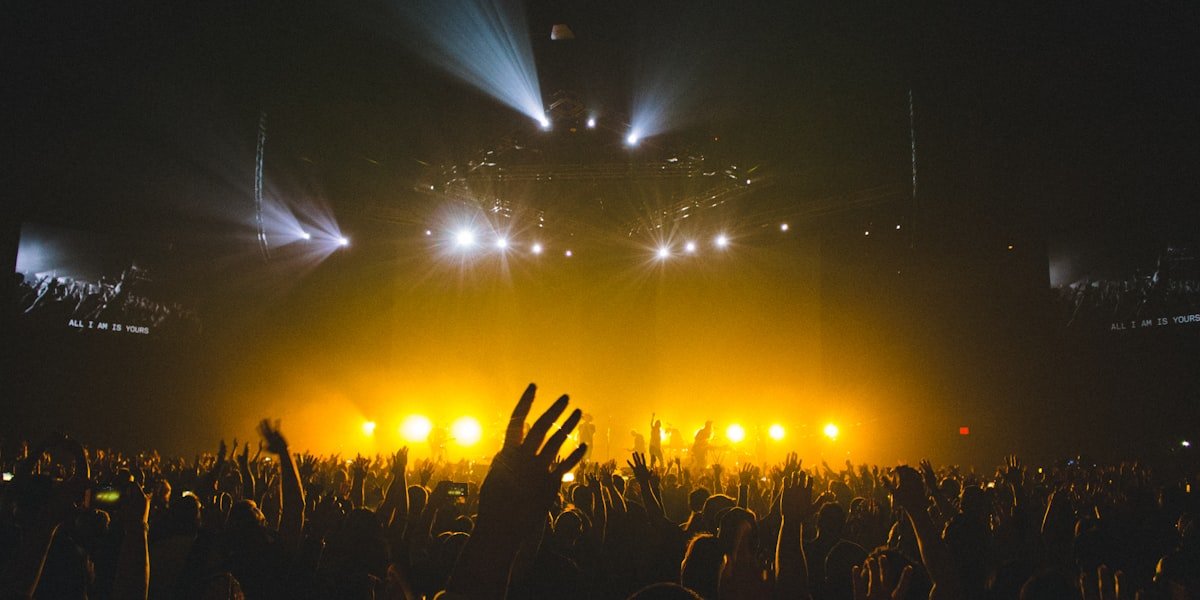
Taylor Swift: The Eras Tour — The Final Show premiered on Disney+ on December 12, 2025, documenting the final performance of the Eras Tour at BC Place Stadium in Vancouver on December 8, 2024. The nearly three-and-a-half-hour film presents a complete 45-song setlist filmed in full HD, including the entire The Tortured Poets Department segment — which Swift dubbed the “Female Rage” set — and reworked medleys that did not appear in the tour’s earlier legs.
The film represents a distinct production from the 2023 theatrical concert film Taylor Swift: The Eras Tour, which documented shows at SoFi Stadium in Los Angeles and became the highest-grossing concert film of all time with $261.6 million in worldwide box office. The Final Show captures the Vancouver performance with a different creative and technical approach, directed by Glenn Weiss rather than the original film’s director Sam Wrench. Weiss, who has directed multiple Tony Awards broadcasts and the 2024 Oscars ceremony, brought a live-event specialization to the production that is reflected in the technical Emmy nominations the film received.
The Final Show was released alongside The End of an Era, a six-part documentary series that gave viewers a behind-the-scenes look at the tour’s final stretch and Swift’s personal reflections on the experience. Swift addressed the 2024 Vienna concert cancellations in the first episode, referencing the terror plot that forced the cancellation of three shows. The docuseries provided a production context that the concert film itself did not attempt to replicate, separating the two Disney+ releases into distinct narrative and performance-driven experiences.
How Does the Emmy Recognition Fit Into Swift’s Awards Trajectory?
The five nominations place Swift in an unusual position within the Television Academy’s framework. Concert films rarely receive this level of Emmy attention, and the Outstanding Variety Special (Pre-Recorded) category has historically favored comedy specials and awards show compilations over musical performances. The Eras Tour film’s inclusion alongside standup specials from Dave Chappelle and Nikki Glaser, the revived Muppet Show, and the Wicked: One Wonderful Night concert special signals that Emmy voters recognized the production as a television event rather than a straightforward concert recording.
Swift’s previous Emmy history is limited. Her only prior Emmy recognition came in 2015, when she won Outstanding Creative Achievement in Interactive Media — Original Interactive Program for the AMEX Unstaged: Taylor Swift Experience, a 360-degree interactive app that allowed users to explore her “Blank Space” music video. That win placed Swift halfway to EGOT status — a distinction she could potentially advance with a competitive Emmy win in September.
The concert film also enters the Emmy conversation alongside Swift’s other 2026 awards-season activity. She recently released “I Knew It, I Knew You,” a song written for the Toy Story 5 soundtrack, which could position her for an Oscar nomination for Best Original Song. A competitive Emmy win combined with an Oscar nomination would move Swift closer to a distinction that only a handful of artists have achieved.
What Are the Technical Categories Where the Film Competes?
Beyond the headline variety special nomination, the four technical nominations reflect the production scale of filming a 45-song stadium concert in its entirety. Glenn Weiss’ directing nomination recognizes the challenge of translating a live performance designed for 67,000 in-person attendees into a coherent visual narrative for home viewing. The picture editing nomination credits editors Dom Whitworth, Rupa Rathod, Benjamin Wainwright-Pearce, Michael Huebel, and Hamish Lyons for assembling the multi-camera footage into a cohesive film.
The sound mixing nomination recognizes re-recording mixers David Payne and John Ross, while the technical direction and camerawork nomination reflects the coordination required to capture a 3.5-hour performance across a stadium-sized stage with multiple set changes, pyrotechnics, and choreography.
In several of these technical categories, The Final Show will compete directly against The Apple Music Super Bowl LX Halftime Show Starring Bad Bunny, which earned nine total Emmy nominations — the most for any Super Bowl halftime show in Emmy history. Bad Bunny’s halftime show is nominated in Outstanding Variety Special (Live) rather than the pre-recorded category, but the two productions overlap in the directing, technical direction, and camerawork races.
What Was the Scale of the Tour That Produced the Film?
The Eras Tour that The Final Show documents ran from March 17, 2023, through December 8, 2024, spanning 149 shows across 51 stadiums on five continents. The tour grossed $2,077,618,725 in face-value ticket sales — a figure confirmed by Taylor Swift Touring — with a total attendance of 10,168,008. That $2.08 billion gross roughly doubled the previous record held by Elton John’s Farewell Yellow Brick Road Tour, which brought in $939 million over five years.
The average face-value ticket price was $204, though secondary market prices averaged $1,652 per ticket across the tour’s run and reached $2,952 for the final Vancouver weekend, according to resale company Victory Live. Swift’s production team chose not to employ dynamic pricing, leaving significant revenue on the secondary market. Pollstar estimated the average attendance per show at 67,487 — the highest in its tracking history, surpassing U2’s 360 Tour, which averaged 66,090 per show.
The tour also generated a commercial ecosystem beyond ticket sales. The 2023 theatrical concert film grossed $261.6 million worldwide, becoming the highest-grossing concert film in history. The Eras Tour Book, a self-published photo book released exclusively through Target in November 2024, sold nearly one million copies in its first week.
Swift herself described the tour as the most powerful and challenging undertaking of her career. In announcing the Disney+ projects, she wrote that the team had allowed filmmakers to capture the tour and all the stories woven throughout it as it wound down, and to film the final show in its entirety.
The five Emmy nominations for Taylor Swift: The Eras Tour — The Final Show extend the commercial and cultural lifecycle of a tour that redefined the economics of live music, positioning the concert film as a contender in television’s awards season more than six months after the tour’s final bow.
FAQs
How many Emmy nominations did The Eras Tour: The Final Show receive? The concert film received five nominations: Outstanding Variety Special (Pre-Recorded), Outstanding Directing for a Variety Special, Outstanding Picture Editing for Variety Programming, Outstanding Sound Mixing for a Variety Series or Special, and Outstanding Technical Direction and Camerawork for a Special.
When was the last time Taylor Swift received an Emmy nomination? Swift’s previous Emmy recognition came in 2015, when she won Outstanding Creative Achievement in Interactive Media for the AMEX Unstaged: Taylor Swift Experience interactive app. The Eras Tour nominations mark her first Primetime Emmy recognition in more than a decade.
What is The Eras Tour: The Final Show competing against for Outstanding Variety Special? The film competes against Dave Chappelle: The Unstoppable…, The Muppet Show, Nikki Glaser: Good Girl, and Wicked: One Wonderful Night in the Outstanding Variety Special (Pre-Recorded) category.
Who directed The Eras Tour: The Final Show? Glenn Weiss directed the concert film. Weiss, who has directed multiple Tony Awards broadcasts, received an Emmy nomination for Outstanding Directing for a Variety Special for the project.
How much did the Eras Tour gross? The Eras Tour grossed $2,077,618,725 in face-value ticket sales across 149 shows with 10,168,008 total attendees over 21 months, making it the highest-grossing concert tour in history.
When are the 2026 Emmy Awards? The 78th Primetime Emmy Awards will air live on Monday, September 14, on NBC and Peacock. The Creative Arts Emmys, where several of the film’s technical nominations will be decided, take place September 5 and 6. Mariska Hargitay will host.