Music Observer

Redefining Success: How Musicians Are Embracing a Career Renaissance

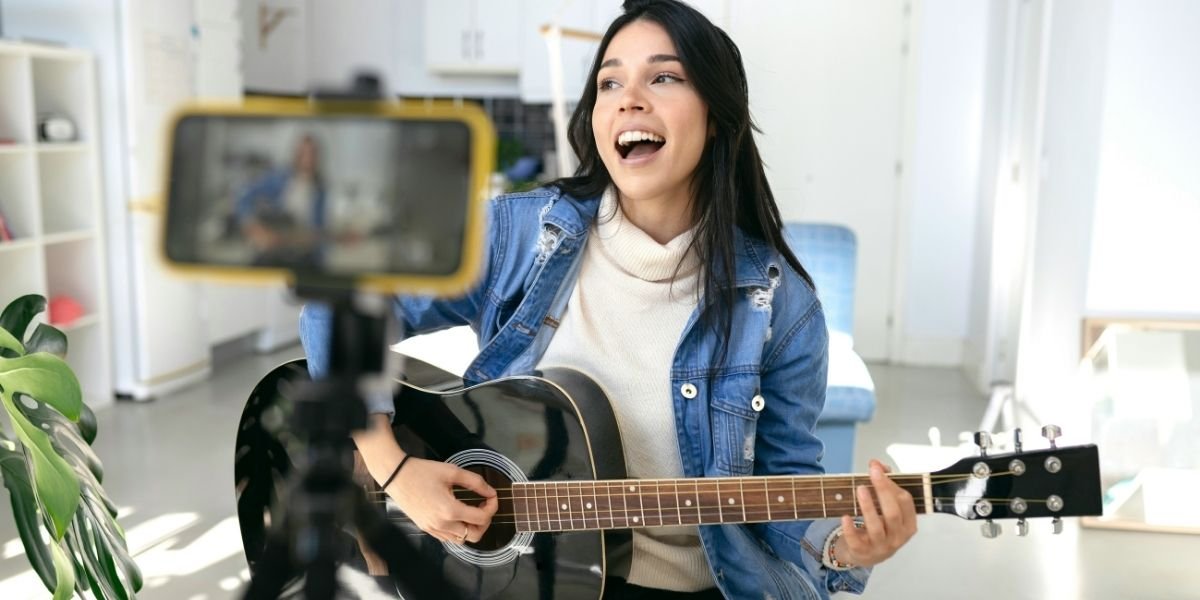
A career renaissance is unfolding across the music industry, reshaping how artists define success and navigate their creative paths. This shift isn’t just about adapting to change, it’s about rewriting the rules entirely. 

More than a trend, it’s a movement where musicians are reimagining their roles, blending artistry with entrepreneurship, and building careers that reflect who they are beyond the stage. Whether they’re stepping into production, launching fashion collaborations, or exploring tech-driven platforms, artists are proving that success can be fluid, multidimensional, and entirely self-authored.

Breaking Free from Traditional Metrics

Success in music used to be measured by record deals, chart positions, and sold-out tours. While those benchmarks still matter, they no longer dominate the conversation. Musicians are now building careers that reflect personal values, creative control, and long-term sustainability. Whether it’s through sync licensing, teaching, or launching boutique labels, artists are proving that fulfillment doesn’t have to come from mainstream validation.

Independent artists are leading this shift. Chance the Rapper built a Grammy-winning career without signing to a major label, relying on streaming platforms and direct fan engagement. Tinashe, after parting ways with RCA Records, took full control of her music and visuals, releasing critically acclaimed projects that reflect her artistic vision. These artists aren’t just surviving outside the system, they’re thriving.

The Rise of Hybrid Roles

Musicians today are no longer confined to a single identity. The idea of being “just” a singer, rapper, or instrumentalist is fading fast. Instead, artists are building hybrid careers that blend performance with production, education, entrepreneurship, and even tech innovation. This shift isn’t about abandoning artistry, it’s about expanding it.

Take Jack Antonoff. Known for fronting Bleachers and playing guitar for fun, he’s also become one of the most in-demand producers in pop, shaping the sound of artists like Taylor Swift, Lana Del Rey, and Lorde. His dual role as performer and producer gives him creative control and financial leverage, two things that used to be rare for artists outside the executive suite.

Then there’s Victoria Monét, who spent years writing hits for others before stepping into the spotlight with her own Grammy-winning work. Her career path shows how songwriting, performance, and visual storytelling can coexist in a single, self-directed brand. She’s not switching lanes, she’s building her own highway.

Hybrid roles also extend into fashion, tech, and brand strategy. Pharrell Williams, long known for his musical innovation, now leads Louis Vuitton’s menswear division. His appointment wasn’t a gimmick, it was a recognition of how deeply music and fashion influence each other. Similarly, Grimes has leaned into AI and digital art, licensing her voice for synthetic vocal tools and exploring the intersection of music and machine learning.

These aren’t isolated cases. Artists across genres are finding ways to merge their skills into multidimensional careers. Some are turning their modeling experience into creative direction gigs, merging visual aesthetics with music branding. That crossover is especially visible among those exploring creative transitions from modeling, where performance, image, and storytelling collide in new ways.

The hybrid model also appeals to artists who want more control over their time and output. Rather than relying solely on touring or streaming revenue, they’re diversifying their income through sync licensing, teaching, consulting, and digital content. It’s not about chasing every opportunity, it’s about choosing the ones that align with their identity.

This evolution reflects a broader truth: the music industry isn’t just about music anymore. It’s about influence, adaptability, and the ability to shape culture across platforms. Hybrid roles give artists the freedom to experiment, the tools to sustain themselves, and the space to grow without burning out.

And perhaps most importantly, they offer a way to stay in the game long after the spotlight fades. Whether it’s producing for others, mentoring emerging talent, or launching a creative agency, musicians are proving that reinvention isn’t a fallback, it’s a strategy.

Discovering the Hidden Ecosystem

Beyond the spotlight lies a vast ecosystem of roles that keep the industry running. Metadata analysts, playlist curators, sync agents, and music data consultants are just a few of the positions gaining traction. These jobs may not come with fanfare, but they’re essential to how music reaches audiences and generates revenue.

Artists who understand this ecosystem are better equipped to navigate it. They’re not just chasing gigs, they’re building strategies. By uncovering less visible roles in music, musicians are expanding their options and finding stability in places they never expected.

Tycho, known for his ambient electronic music, has built a career that includes visual design, licensing, and brand collaborations. His work spans album releases and immersive experiences, showing how a multifaceted approach can lead to longevity. Lindsey Stirling has combined violin performance with choreography, YouTube content, and branded partnerships, creating a career that defies genre boundaries.

Navigating Burnout and Reinvention

The path to a career renaissance isn’t always smooth. Many artists face burnout, financial uncertainty, or the pressure to constantly reinvent themselves. Touring can be grueling, social media demands can feel relentless, and the hustle never really stops. But within those challenges lies a chance to reset.

Kehlani has spoken openly about stepping back from the spotlight to focus on mental health and recalibrate her creative direction. That pause led to a more grounded approach to music and public life. Donald Glover, known as Childish Gambino, has shifted between music, television, and film, choosing projects that align with his evolving interests rather than sticking to a single lane.

Redefining Success How Musicians Are Embracing a Career Renaissance

Photo Credit: Unsplash.com

Some musicians are stepping back from performance to focus on teaching, composing, or mentoring. Others are exploring wellness practices, community-building, or activism through music. These shifts aren’t signs of retreat, they’re acts of resilience. They reflect a deeper commitment to longevity and purpose.

Building Careers on Their Own Terms

What makes this moment powerful is the sense of ownership. Musicians are no longer waiting for permission to evolve, they’re doing it on their own terms. Whether it’s launching a podcast, scoring a video game, or curating a local music festival, artists are finding ways to align their work with their passions.

H.E.R. has expanded her career into acting and advocacy, using her platform to support causes she believes in while continuing to release music that resonates with fans. Steve Lacy, after years of working behind the scenes with The Internet, stepped into solo stardom with a Grammy-nominated album that blends funk, R&B, and indie rock, without compromising his style.

Success can mean creating a body of work that resonates deeply, building a loyal fanbase, or mentoring the next generation of artists. It’s personal, flexible, and constantly evolving.

A Movement, Not a Moment

The career renaissance sweeping through music isn’t a passing trend, it’s a cultural shift. It reflects a broader rethinking of identity, creativity, and value. Musicians are proving that success isn’t one-size-fits-all. It’s a mosaic of choices, risks, and reinventions.

For fans, this means discovering artists who are more authentic, experimental, and engaged. For professionals, it means reimagining how talent is nurtured, supported, and celebrated. And for musicians themselves, it means stepping into a future where the rules are theirs to write.

Whether it’s through entrepreneurship, education, or behind-the-scenes innovation, the music industry is full of possibilities. The career renaissance isn’t just redefining success, it’s expanding it.

How Influencers Are Shaping the Rise of New Music Styles

In the music industry, influencers play a notable role in introducing fresh sounds and encouraging genre blending. Their ability to connect with diverse audiences and showcase emerging trends has created an environment where new styles can gain traction more quickly than ever before. This influence goes beyond mere promotion; it actively shapes how music evolves by opening listeners to innovative combinations and creative expressions.

Understanding how influencers contribute to the growth of new music styles offers insight into the changing dynamics of the music industry and the role of social media in cultural development. Their impact illustrates the power of digital communities in redefining tastes and expanding the boundaries of genre.

Bringing Fresh Sounds to Broader Audiences

One of the primary ways influencers impact music is by acting as conduits between artists and audiences. Their platforms often introduce followers to tracks and styles that may not yet have mainstream exposure. By sharing music that incorporates unique sounds or blends different genres, influencers help expand the listening habits of their audiences.

This exposure can ignite interest in less conventional music, encouraging fans to explore beyond familiar categories. It creates opportunities for artists experimenting with new sounds to reach listeners who might otherwise not encounter their work. Influencers’ ability to curate and highlight these musical experiences plays a crucial role in broadening the scope of what is considered popular or relevant.

Moreover, influencers often tailor their content to reflect current cultural moods, helping emerging music styles resonate with contemporary tastes. This connection between influencer content and audience preferences helps cultivate communities around new sounds, further amplifying their reach.

Encouraging Genre Blending and Musical Experimentation

Influencers not only promote individual tracks but also foster appreciation for music that crosses traditional genre lines. The blending of style, such as combining elements of hip-hop, electronic, indie, or world music, is increasingly common in contemporary music scenes. Influencers who showcase such genre fusion validate and encourage experimentation.

By featuring mixed-genre music in their posts or videos, influencers signal that these styles are worthy of attention and enjoyment. This validation encourages artists to innovate without fear of alienating listeners. It also invites audiences to reconsider rigid definitions of music genres and embrace more fluid, hybrid sounds.

This openness contributes to a dynamic music culture where creativity thrives and boundaries are more permeable. Influencers play an essential role in normalizing this fluidity, allowing new genres to emerge and evolve in response to diverse artistic influences.

Creating Interactive Music Experiences

The interactive nature of influencer platforms adds another dimension to how new music styles gain popularity. Unlike traditional media, social platforms allow audiences to engage directly with content through comments, shares, and user-generated responses. This engagement can foster a sense of community around emerging music trends.

Challenges, dance routines, or remix opportunities connected to new songs often circulate widely through influencer channels. These interactive experiences encourage fans to participate actively, rather than just passively consuming music. This involvement strengthens the bond between artists and listeners and generates organic growth for new styles.

How Influencers Are Shaping the Rise of New Music Styles

Photo Credit: Unsplash.com

The feedback loop created through this interaction also informs artists and influencers about what resonates with audiences, enabling more responsive creative decisions. It supports a collaborative environment where new music is shaped by collective enthusiasm and cultural exchange.

Influencing the Future of Music Discovery

Ultimately, influencers contribute to reshaping how music is discovered and shared. The traditional gatekeepers of the music industry are complemented or sometimes bypassed by social media personalities who can directly influence listening trends. This shift democratizes music discovery, allowing a wider variety of sounds and artists to emerge.

The ability of influencers to spotlight emerging genres and styles accelerates the evolution of music culture. Their role in popularizing new sounds ensures that innovation is rewarded and that audiences remain engaged with fresh and diverse content.

As the digital landscape continues to develop, the relationship between influencers and music will likely become even more integral to how audiences connect with and appreciate new artistic expressions. This dynamic promises ongoing opportunities for creativity and cultural enrichment.

Mastering the Actor’s Toolkit: Body, Voice, and Imagination

The Actor’s Toolkit isn’t just a concept, it’s a lifestyle. For performers navigating the stage, screen, or studio, mastering the Actor’s Toolkit means owning the three core instruments that shape every role: body, voice, and imagination. These tools aren’t optional. They’re essential. And in today’s entertainment landscape, where authenticity and adaptability reign, they separate the forgettable from the unforgettable.

Whether preparing for a Broadway callback, a film audition, or a live music-theater hybrid, performers who understand how to activate their Actor’s Toolkit are the ones who command attention. It’s not just about talent, it’s about technique, discipline, and the ability to transform raw emotion into compelling art.

The Body: Your First Instrument

The body is the actor’s first language. Before a single word is spoken, movement communicates intention, emotion, and energy. From posture and gait to gesture and stillness, every physical choice tells a story. That’s why mastering physical awareness is a non-negotiable part of the Actor’s Toolkit.

Actors like Zendaya and Pedro Pascal have shown how nuanced physicality can elevate a performance. Whether it’s the subtle tension in a shoulder or the deliberate pacing of a walk, the body becomes a canvas for character. Training in movement, dance, and stage combat helps performers build control, flexibility, and expressive range.

In rehearsal rooms across the country, directors are encouraging actors to explore physical storytelling. It’s not just about blocking, it’s about embodiment. And for those looking to stay ready for anything on stage, physical readiness is key. That’s why many performers turn to resources like this guide on staying stage-ready to sharpen their physical instincts.

The Voice: Power, Precision, and Presence

Voice is more than sound, it’s presence. It carries emotion, rhythm, and intention. In the Actor’s Toolkit, vocal mastery means knowing how to shift tone, pace, and pitch to match the moment. It’s the difference between delivering a line and landing it.

Actors train their voices like musicians train their instruments. Breath control, articulation, and resonance are foundational. Whether belting in a musical or whispering in a dramatic close-up, the voice must be agile and grounded. Vocal warm-ups, singing lessons, and dialect coaching are all part of the grind.

In the age of streaming and voiceover work, vocal versatility is more valuable than ever. Performers who can pivot between genres, comedy, drama, animation, are in high demand. And those who understand how voice connects to character are the ones who leave lasting impressions.

Imagination: The Creative Engine

Imagination is the soul of the Actor’s Toolkit. It’s what allows performers to build worlds, inhabit characters, and respond truthfully in imaginary circumstances. Without imagination, technique falls flat. With it, performances come alive.

Mastering the Actor's Toolkit: Body, Voice, and Imagination

Photo Credit: Unsplash.com

Actors use imagination to explore backstory, motivation, and emotional truth. It’s the tool that fuels character development and improvisation. Whether crafting a role from scratch or stepping into a well-known archetype, imagination allows for depth and originality.

Workshops on character building often emphasize imaginative exercises, visualization, sensory recall, and emotional substitution. These techniques help actors tap into personal experiences and transform them into performance gold. Those looking to deepen their character work often explore resources like this guide to building authentic performances, which highlights how imagination drives emotional truth.

Why the Actor’s Toolkit Still Matters

In an industry obsessed with speed and spectacle, the Actor’s Toolkit remains timeless. It’s the foundation that supports every genre, format, and medium. Whether performing in a gritty indie film or a high-concept stage musical, actors who master body, voice, and imagination bring consistency, depth, and impact.

The Actor’s Toolkit also empowers performers to adapt. In today’s hybrid entertainment world, where music artists cross into acting, and theater merges with digital media, versatility is everything. Performers who understand their tools can pivot between disciplines, collaborate across formats, and stay grounded in their craft.

Training the Toolkit: What It Takes

Mastering the Actor’s Toolkit isn’t about perfection, it’s about process. It requires daily practice, honest feedback, and a willingness to stretch beyond comfort zones. Acting classes, vocal coaching, movement workshops, and improvisation labs all contribute to the journey.

Many performers also integrate wellness into their training. Yoga, meditation, and breathwork help maintain physical and emotional balance. In an industry that demands vulnerability and resilience, self-care becomes part of the toolkit.

Mentorship plays a role too. Learning from seasoned actors, directors, and coaches helps emerging performers refine their tools and expand their range. Whether through formal programs or informal collaborations, the exchange of knowledge keeps the craft alive.

Own Your Tools, Own the Room

Mastering the Actor’s Toolkit isn’t just about technique, it’s about presence. When performers walk into a room fully connected to their body, voice, and imagination, they shift the energy. Casting directors lean in. Collaborators take notice. Audiences feel it. That’s the power of owning your tools.

Actors who’ve internalized their toolkit don’t second-guess their choices, they trust them. Their physicality is grounded, their voice is intentional, and their imagination is alive. Whether they’re stepping into a cold read, a live table read, or a high-stakes callback, they’re not performing from the outside in, they’re creating from the inside out.

This kind of ownership shows up in the details. It’s the way an actor breathes before delivering a monologue. The way they adjust their posture to shift character. The way they listen, not just to lines, but to the emotional undercurrents in the room. These are the performers who don’t just audition, they take space. They don’t just recite, they reveal.

In today’s entertainment landscape, where hybrid roles and cross-genre performances are the norm, versatility is currency. Actors who’ve mastered their toolkit can pivot from stage to screen, from musical theater to voiceover, without losing authenticity. They’re not chasing trends, they’re shaping them.

And it’s not just about landing roles. Owning the Actor’s Toolkit builds confidence, resilience, and creative autonomy. It allows performers to collaborate more deeply, take risks more boldly, and recover more quickly when things don’t go as planned. It’s the difference between surviving the industry and thriving in it.

So whether it’s a rehearsal room, a recording booth, or a live set, the message is clear: when you own your tools, you own the room. And when you own the room, you own your story.

Low-Budget Filmmaking Tips: How to Create Impactful Films with Limited Resources

What Is Guerrilla Filmmaking?

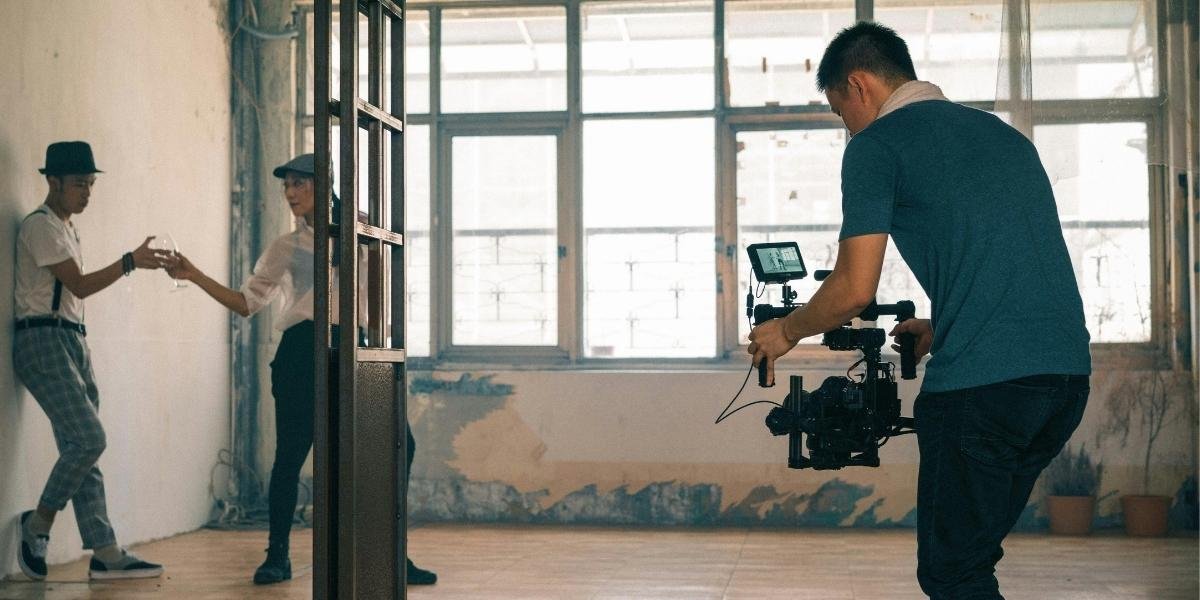
Guerrilla filmmaking is a popular approach among aspiring filmmakers who are working with limited budgets. The term “guerrilla” refers to a style of filmmaking that relies on creativity, resourcefulness, and a willingness to work quickly and efficiently. This method often involves shooting in real locations without permits, using available light, and working with a minimal crew. The goal is to create a film that feels authentic and impactful, even with limited resources.

One of the key aspects of guerrilla filmmaking is its focus on using what’s available. Instead of relying on expensive sets or studio space, filmmakers shoot in real locations, such as city streets, parks, or even their own homes. This not only saves money but also adds a sense of realism to the film. However, shooting in public spaces without permits can be risky, so it’s important to be discreet and respectful of the surroundings. Planning your shots carefully and moving quickly can help you avoid drawing unwanted attention.

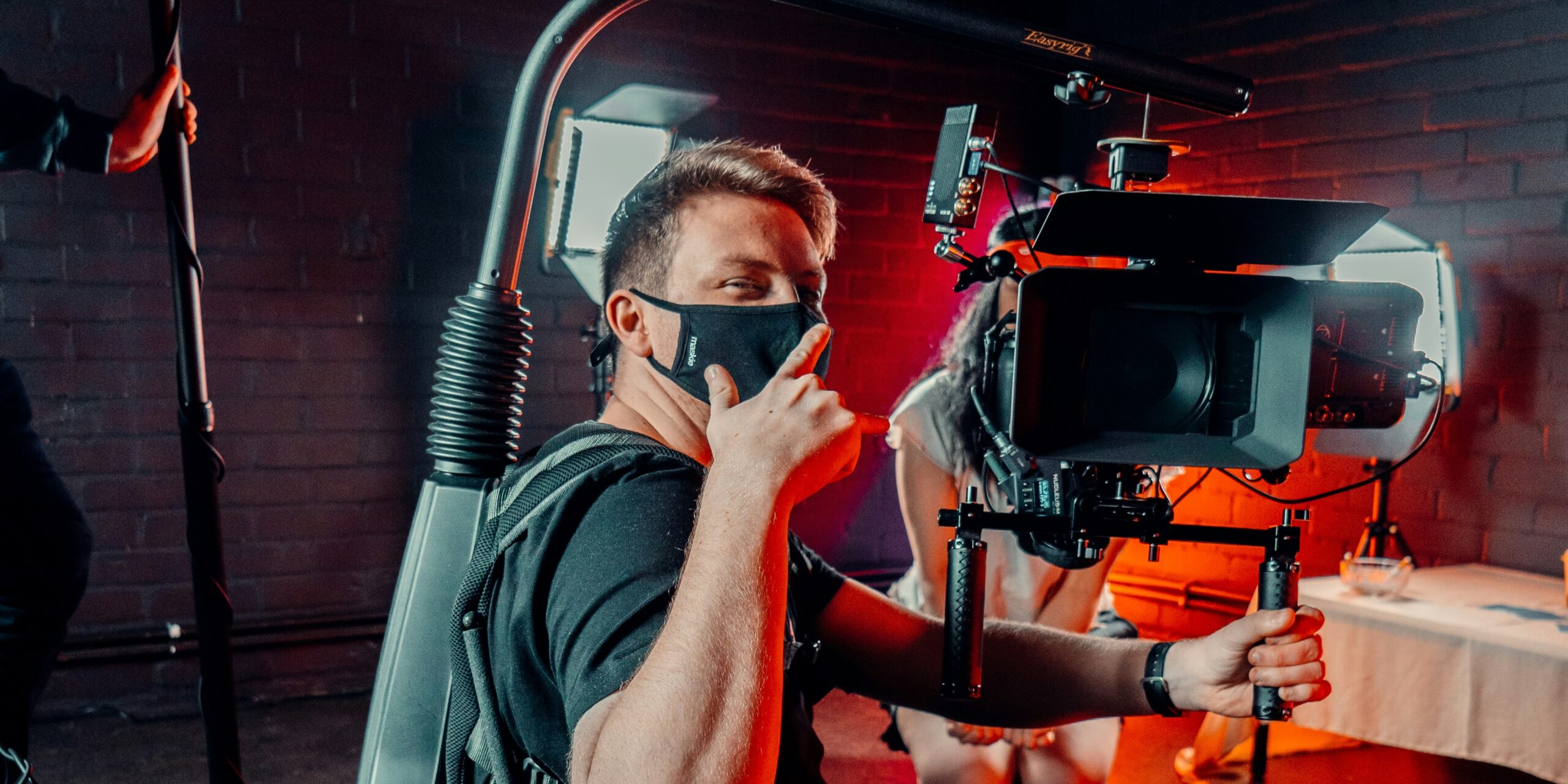
Another important element of guerrilla filmmaking is the use of minimal equipment. With advancements in technology, it’s now possible to shoot high-quality footage with just a smartphone or a DSLR camera. Filmmakers can also use natural light instead of expensive lighting setups, and rely on handheld shooting to add a dynamic, intimate feel to their scenes. This approach not only cuts costs but also allows for greater flexibility and spontaneity on set. The key is to focus on the story and the performances, rather than getting bogged down by technical limitations.

How Can You Maximize Your Budget in Low-Budget Filmmaking?

When working with a limited budget, it’s crucial to make every dollar count. One of the most effective ways to stretch your budget is by being strategic about where you spend your money. Start by prioritizing the elements that are most important to your film, such as securing a talented cast, acquiring essential equipment, or obtaining a key location. By focusing on these high-priority items, you can allocate your resources more effectively and ensure that your film has the greatest possible impact.

Another way to maximize your budget is by leveraging the power of collaboration. Independent filmmaking often thrives on the contributions of passionate individuals who are willing to work for little or no pay in exchange for the opportunity to be part of a creative project. Reach out to friends, fellow filmmakers, and local talent who may be interested in collaborating on your film. This can help you build a strong team without breaking the bank. Additionally, consider offering incentives such as credits, experience, or even a share in the film’s profits as a way to motivate and reward your team.

Low-Budget Filmmaking Tips: How to Create Impactful Films with Limited Resources

Photo Credit: Unsplash.com

Finding affordable or free locations is another important aspect of low-budget filmmaking. Instead of renting expensive studio spaces or securing costly permits, look for locations that are accessible and budget-friendly. This might include shooting in your own home, using public spaces, or borrowing locations from friends and family. If you need a specific setting, such as a restaurant or an office, try reaching out to local businesses and asking if they’d be willing to let you shoot during off-hours in exchange for credit in your film. Being resourceful and creative with your locations can significantly reduce your costs.

Lastly, consider the post-production phase of your film. Editing, sound design, and visual effects can quickly eat into your budget if you’re not careful. To keep costs down, look for affordable or free editing software, and consider learning how to do some of the work yourself. Alternatively, you can collaborate with aspiring editors or sound designers who are looking to build their portfolios. By being mindful of your budget throughout the entire filmmaking process, you can create a polished final product without overspending.

What Are Some Essential Tips for Success in Low-Budget Filmmaking?

Success in low-budget filmmaking often comes down to careful planning, creativity, and perseverance. One of the most important tips for aspiring filmmakers is to focus on the story. A compelling story can captivate audiences regardless of the budget or production value. Invest time in writing a strong script that resonates with your target audience, and make sure that every scene, line of dialogue, and character serves the overall narrative. A well-crafted story can make up for any shortcomings in production quality.

Another tip is to embrace limitations as opportunities for creativity. Working with a limited budget can force you to think outside the box and find innovative solutions to problems. For example, if you can’t afford a particular special effect, consider using practical effects or creative camera angles to achieve a similar result. Similarly, if you’re unable to shoot in a desired location, think about how you can adapt the script to fit a location you do have access to. By viewing challenges as opportunities, you can turn limitations into strengths.

Networking is also a valuable tool for low-budget filmmakers. Building connections with other filmmakers, actors, and industry professionals can open doors to resources, advice, and potential collaborators. Attend film festivals, workshops, and local screenings to meet people who share your passion for filmmaking. These connections can lead to valuable partnerships and help you build a support network that can assist you in future projects.

Finally, persistence is key. Filmmaking, especially on a low budget, can be a challenging and sometimes frustrating process. There will be setbacks, whether it’s losing a location, facing technical difficulties, or struggling to stay within budget. However, staying committed to your vision and pushing through obstacles is what will ultimately lead to success. Keep your goals in mind, stay flexible, and remember that every challenge is an opportunity to learn and grow as a filmmaker.

Low-budget filmmaking is a challenging but rewarding endeavor that allows aspiring filmmakers to bring their creative visions to life, even with limited resources. By embracing guerrilla filmmaking techniques, maximizing your budget, and focusing on the story, you can create impactful films that resonate with audiences. With careful planning, collaboration, and a willingness to think creatively, it’s possible to produce high-quality work without breaking the bank. Whether you’re just starting out or looking to refine your skills, these tips can help you navigate the world of low-budget filmmaking with confidence.

Timeless Christmas Songs to Enjoy Ahead of the Holiday Season

Christmas songs continue to dominate the cultural and commercial landscape each year, returning to playlists, radio rotations, and streaming charts with a force that rivals even the most anticipated new releases. As the 2025 holiday season approaches, these timeless tracks are already making their annual comeback, proving once again that seasonal music is not just tradition, it’s a global phenomenon.

From Bing Crosby’s “White Christmas” to Mariah Carey’s “All I Want for Christmas Is You,” holiday music has evolved into a genre of its own, blending nostalgia, emotional resonance, and commercial power. These songs are more than festive background noise; they are cultural anchors that define the sound of the season and drive billions of streams, downloads, and sync deals across the industry.

Why Christmas Songs Still Resonate

The enduring popularity of Christmas songs can be attributed to their emotional architecture. Built on familiar chord progressions, warm lyrical themes, and repetitive melodic structures, these tracks are designed to evoke memory and sentiment. Music cognition experts have long noted that holiday music is particularly effective at triggering emotional recall, which explains why certain songs feel instantly comforting and familiar.

This phenomenon is also tied to the concept of musical “stickiness,” explored in Music Observer’s feature on why songs get stuck in your head. Christmas songs often use simple, catchy motifs that embed themselves in the listener’s memory, making them ideal candidates for seasonal rotation.

Streaming Has Supercharged the Holiday Loop

In the streaming era, Christmas songs have become algorithmic juggernauts. Platforms like Spotify and Apple Music report massive spikes in holiday music consumption starting in early November, with some tracks entering global top 10 lists by mid-month. Mariah Carey’s perennial hit routinely climbs back to No. 1 on the Billboard Hot 100, while Michael Bublé, Brenda Lee, and Andy Williams see similar annual resurgences.

These songs benefit from curated playlists, autoplay features, and user-generated content, all of which amplify their reach. Unlike traditional radio, streaming platforms allow listeners to personalize their holiday soundtrack, leading to deeper engagement and repeat plays. The result is a feedback loop where timeless Christmas songs outperform even the most hyped new releases.

The Music Video Effect: Visuals That Stick

Visual storytelling plays a critical role in the longevity of Christmas songs. Iconic music videos, from Wham!’s snow-covered “Last Christmas” to Carey’s glittering holiday visuals, enhance emotional connection and drive repeat views. As highlighted in Music Observer’s analysis of how music videos impact song popularity, visuals can elevate a track from seasonal hit to cultural staple.

Timeless Christmas Songs to Enjoy Ahead of the Holiday Season

Photo Credit: Unsplash.com

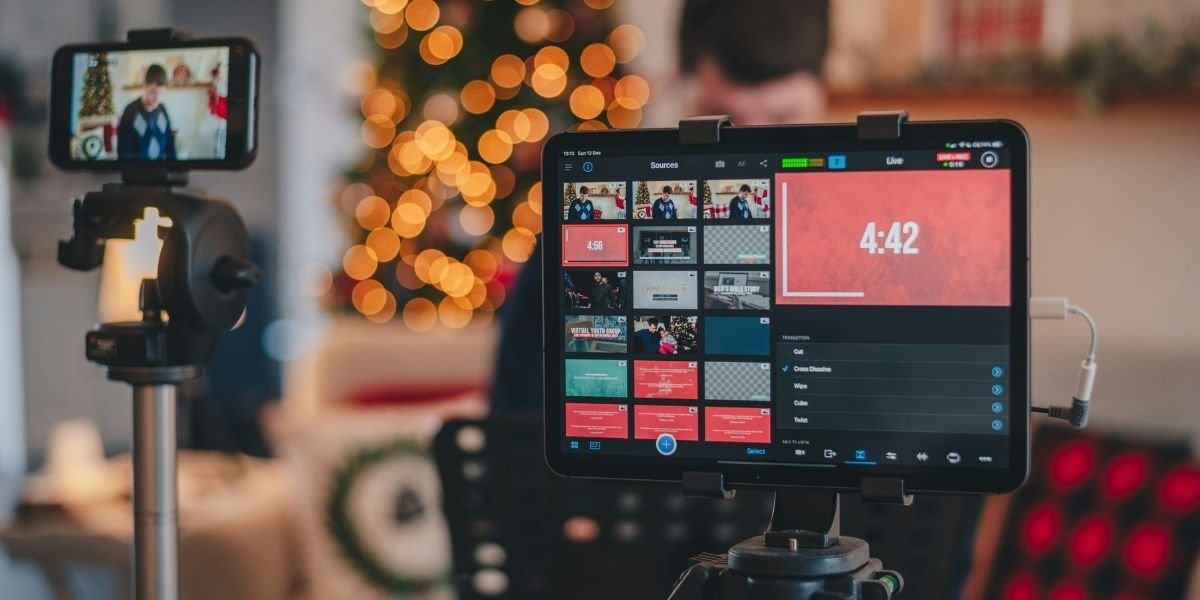
YouTube remains a key platform for holiday music discovery and nostalgia. Artists often release remastered videos, behind-the-scenes content, or new holiday-themed visuals to capitalize on the season. These efforts not only boost engagement but also reinforce brand identity, especially for artists looking to establish themselves as holiday mainstays.

New Voices in a Classic Genre

While legacy tracks dominate, contemporary artists are reshaping the holiday music landscape. SZA, Sam Smith, and Olivia Rodrigo have all explored festive themes in recent releases, blending traditional motifs with modern production techniques. These songs appeal to younger audiences while maintaining the emotional core that defines the genre.

Hip-hop and EDM have also entered the holiday arena. Chance the Rapper’s “Merry Christmas Lil Mama” mixtape and Tyler, The Creator’s Grinch soundtrack brought fresh energy to the space, while producers like Marshmello and Kygo have released holiday remixes that merge festive melodies with club-ready beats. These innovations prove that Christmas songs are not frozen in time, they are evolving with the culture.

Global Reach and Cultural Impact

Christmas songs are not confined to the U.S. market. In the UK, “Fairytale of New York” by The Pogues and Kirsty MacColl remains a seasonal staple. In the Philippines, Jose Mari Chan’s “Christmas in Our Hearts” signals the start of the holiday season as early as September. Across Latin America, “Feliz Navidad” by José Feliciano continues to unite generations.

This global resonance underscores the genre’s universality. Holiday music transcends language, genre, and geography, becoming part of a shared cultural experience. Whether it’s a gospel-infused carol or a synth-pop anthem, the emotional pull of Christmas songs is felt worldwide.

The Business Behind the Cheer

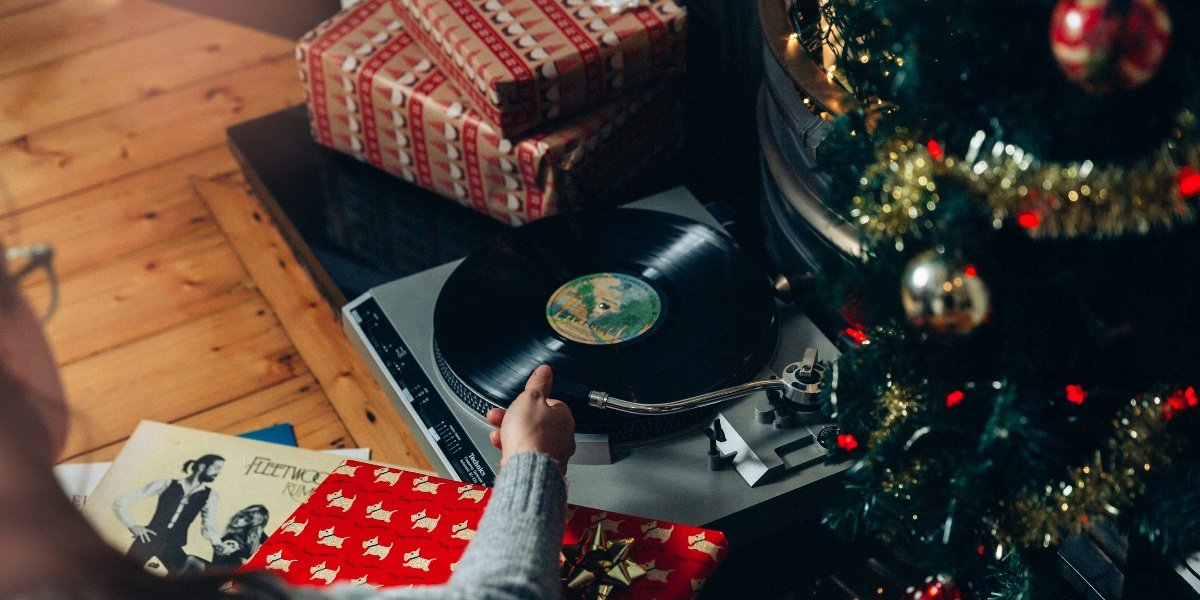
Behind the sleigh bells and choirs lies a robust business model. Sync licensing for Christmas songs is one of the most lucrative segments in music publishing. These tracks are used in commercials, films, television specials, and retail environments, often generating more revenue in Q4 than some artists earn annually.

Legacy artists benefit most, with royalties from classics like “White Christmas” and “The Christmas Song” continuing to pay out decades after their release. Streaming has added a new layer of monetization, allowing even lesser-known holiday tracks to find new audiences through algorithmic discovery.

Labels and publishers strategically plan holiday releases, often bundling them with deluxe editions, vinyl reissues, or exclusive merchandise. These campaigns are designed not just to spread cheer, but to maximize fourth-quarter revenue and reinforce artist visibility.

What Makes a Christmas Song Timeless?

Timeless Christmas songs share several key traits: emotional resonance, melodic simplicity, and lyrical universality. They evoke warmth, nostalgia, and togetherness, themes that remain relevant across generations. Whether it’s the longing in “Have Yourself a Merry Little Christmas” or the joy in “Feliz Navidad,” these songs tap into shared human experiences.

Production also plays a role. Sleigh bells, string sections, and choral harmonies create a sonic palette that signals “holiday” to listeners. Even modern tracks often incorporate these elements to maintain genre continuity. In this space, tradition and innovation coexist, allowing artists to experiment while honoring the genre’s roots.

The 2025 Holiday Playlist

As the 2025 holiday season approaches, industry insiders anticipate a blend of legacy hits and fresh contenders. Mariah Carey is expected to reclaim her seasonal throne, but new releases from Doja Cat, The Weeknd, and Billie Eilish could challenge the status quo. TikTok will likely play a major role in surfacing emerging holiday tracks, while radio and retail environments continue to rely on proven classics.

Whether listeners prefer jazz-infused carols, pop anthems, or indie acoustic renditions, the Christmas songs of 2025 will offer something for every taste. And as always, the magic lies in the mix, the way these songs blend memory, melody, and emotion into a soundtrack that defines the season.

How Editing Shapes the Voice and Identity of a Film

Editing is an essential aspect of filmmaking, as it shapes the voice and identity of a film. Through the careful selection, arrangement, and manipulation of footage, an editor can enhance the narrative and convey the director’s intended vision. The pacing, rhythm, and timing of each cut play a crucial role in how the audience perceives the story. By constructing a coherent and compelling sequence, editing establishes the emotional tone and sense of continuity, which ultimately defines the film’s identity.

The process allows for the refinement of raw material, giving it structure and meaning that align with the artistic objectives of the director and the film’s broader themes. As such, editing is not just about technical proficiency; it is a powerful tool for expressing ideas, character development, and the overall vision of the project. An editor’s decisions, from the choice of shots to their sequencing, create an environment that draws the audience into the narrative, making editing a defining force in a film’s identity.

The Artistic Freedom Editors Have Within a Film’s Structure

Within the structured environment of a film’s script and footage, editors possess significant artistic freedom. This freedom is rooted in their ability to transform the raw footage into something unique, offering creative possibilities that transcend the director’s original blueprint. By reordering shots, cutting scenes, or introducing subtle transitions, editors have the power to alter the emotional resonance, pacing, and even the meaning of a film.

This flexibility allows for a blend of technical skill and creative intuition. Editors can create visual metaphors, enhance performances, and make bold choices that resonate with audiences in ways that go beyond the written word. They can manipulate time, juxtapose contrasting scenes, and highlight nuances in the story that may not be immediately apparent in the script. This role of the editor is integral in shaping the aesthetic qualities of a film and contributing to its artistic expression.

Exploring Editing as an Artistic Medium

Editing has long been recognized as an artistic process that plays a central role in filmmaking. It is not merely about assembling footage but also about constructing meaning through the manipulation of time, space, and visuals. Editors have the ability to influence the emotional tone of a film and bring a unique perspective to the story, turning raw footage into a powerful, cohesive piece of art. By reworking scenes, adjusting the pacing, and deciding which elements to highlight, editing offers an expansive creative landscape.

This creative process is not confined to the limits of the script but extends into the realm of artistic expression, where editors shape the narrative flow and overall aesthetic. Through this lens, editing is seen not as a technical skill but as a dynamic and integral part of the filmmaking process that contributes to the film’s artistic vision and identity.

Editing’s Role in Expressing Abstract Ideas and Emotions

One of the most profound aspects of editing is its ability to express abstract ideas and emotions. Through visual techniques such as montage, juxtaposition, and pacing, editors can evoke a wide range of feelings and concepts that are not explicitly stated in the dialogue or script. This allows for the exploration of complex psychological states, philosophical ideas, and emotional landscapes in a manner that words alone cannot achieve.

How Editing Shapes the Voice and Identity of a Film

Photo Credit: Unsplash.com

For example, editing can create a sense of fragmentation or disorientation by rapidly cutting between unrelated images, evoking a feeling of confusion or chaos. Similarly, by lingering on a particular shot or slowing down the pacing, editors can create an intimate connection between the audience and the character’s internal world. In this way, editing serves as a conduit for expressing intangible ideas and emotions, making it a vital tool for conveying deeper meanings that transcend the surface narrative.

The Evolution of Film as an Art Form

As technology has advanced, the role of editing in filmmaking has evolved, allowing for new forms of artistic expression. Digital editing tools have provided editors with greater flexibility and creative options, enabling them to experiment with innovative storytelling techniques, visual effects, and sound design. The ability to manipulate images and audio has transformed the way films are edited, offering greater possibilities for crafting unique cinematic experiences.

This evolution of editing technology has not only changed the technical aspects of filmmaking but has also expanded the boundaries of what is artistically possible. Editors now have the freedom to push the limits of narrative structure, pacing, and visual style in ways that were once unimaginable. The continuous advancement of editing technology ensures that film remains a dynamic and ever-evolving art form, with editing at its heart, shaping how stories are told and experienced.

Editing remains one of the most influential aspects of filmmaking, providing a vital tool for personal and artistic expression. It allows editors to shape the identity of a film, express abstract ideas and emotions, and explore new artistic possibilities. As technology continues to advance, the role of editing will only grow in its ability to enhance the storytelling process and contribute to the ongoing evolution of cinema as an art form.

How Music Works: Understanding the Science Behind Musical Sounds

Music is often described as a universal language, but underneath its emotional pull lies a complex set of physical principles. The way musical sounds are created, shaped, and perceived involves a blend of physics, biology, and psychology. For those who’ve ever wondered why a melody feels uplifting or why certain chords sound tense, the science behind musical sounds offers clear, fascinating answers. It’s not always easy to grasp these concepts without technical training, and that’s okay, many people feel overwhelmed by the jargon. But the core ideas are surprisingly intuitive once broken down.

The Physics of Musical Sound

At its most basic level, music begins with vibration. Whether it’s a guitar string, a vocal cord, or a drumhead, sound is produced when something moves back and forth rapidly. This movement pushes air particles around it, creating waves that travel through the air. These waves eventually reach the ear, where they’re interpreted as sound.

The speed of these vibrations, known as frequency, determines pitch. A faster vibration produces a higher pitch, while a slower one results in a lower pitch. This is why tightening a guitar string makes the note sound higher, it vibrates more quickly. The size and material of the vibrating object also affect the sound. A thick string produces a deeper tone than a thin one, and a wooden drum sounds different from a metal one because of how each material responds to vibration.

Amplitude, or the height of the wave, affects volume. Larger waves carry more energy and sound louder. This is why striking a piano key harder produces a louder note, even though the pitch remains the same.

Why Harmony Works

Harmony is one of the most emotionally resonant aspects of music, and its effect is rooted in mathematics. When two notes are played together, their sound waves interact. If the frequencies of the notes are simple ratios, like 2:1 or 3:2, the waves align in a way that feels smooth and pleasant. This is why octaves and fifths are considered consonant.

On the other hand, when the frequencies are more complex or irregular, the waves clash. This creates dissonance, which can feel tense or unresolved. Musicians often use dissonance intentionally to build emotion or anticipation before resolving it with a consonant chord.

The human brain is wired to recognize these patterns. Even without formal training, most people can sense when a chord feels “right” or “off.” This instinctive response is part of what makes music so powerful, it taps into deep cognitive processes that interpret sound structure.

The Role of Timbre in Musical Sounds

Timbre, often described as the “color” of sound, explains why the same note sounds different on a violin than on a trumpet. It’s shaped by the unique combination of frequencies produced by an instrument. While every musical note has a fundamental frequency, it also includes overtones, higher frequencies that occur naturally alongside the main pitch.

Different instruments emphasize different overtones. A flute might produce a pure tone with few overtones, while a saxophone generates a richer, more complex sound. The shape of the instrument, the material it’s made from, and how the sound is produced all influence timbre.

This variation allows musicians to create texture and depth. A solo piano can sound intimate and clear, while a full orchestra can feel expansive and layered. Understanding timbre helps explain why certain combinations of instruments evoke specific moods or atmospheres.

How the Brain Interprets Musical Sound

How Music Works Understanding the Science Behind Musical Sounds

Photo Credit: Unsplash.com

The ear captures sound, but it’s the brain that makes sense of it. Once sound waves reach the inner ear, they’re converted into electrical signals and sent to the auditory cortex. This part of the brain processes pitch, rhythm, and timbre, allowing listeners to recognize melodies and harmonies.

Music also activates areas of the brain linked to emotion and memory. A familiar tune can trigger vivid recollections, while a new song might evoke feelings without any clear reason. This emotional response is partly due to how the brain predicts patterns. When a melody follows an expected path, it feels satisfying. When it surprises the listener, it can feel exciting or unsettling.

Rhythm plays a key role here. The brain is highly sensitive to timing and can detect even slight irregularities. This is why a steady beat feels natural, and why syncopation or tempo changes can create tension or release.

Why Music Feels Emotional

The emotional impact of music isn’t just about lyrics or cultural associations. It’s also tied to how sound interacts with the body and brain. Low frequencies can create a sense of gravity or seriousness, while high frequencies often feel light or playful. Slow tempos tend to feel calm, while fast ones can feel energetic or anxious.

Certain chord progressions are known to evoke specific feelings. A minor chord often sounds sad or introspective, while a major chord feels bright or confident. These associations aren’t universal, but they’re common enough to be used deliberately in composition.

Even silence plays a role. Pauses between notes can heighten anticipation or give space for reflection. The absence of sound can be just as meaningful as the presence of it, shaping the listener’s experience in subtle ways.

Understanding how music works doesn’t take away its magic. If anything, it deepens appreciation. Knowing that a simple vibration can lead to a complex emotional response highlights the connection between physics and feeling. For those who’ve ever felt moved by a melody but couldn’t explain why, the science behind musical sounds offers clarity without diminishing wonder.

AI-Generated Slop is Dominating Music Streams—What Does It Mean?

AI-Generated Slop isn’t just a meme, it’s a growing reality in the music industry. Thousands of tracks created by generative algorithms are uploaded daily to platforms like Spotify, Apple Music, and Deezer. Many are designed to mimic popular genres, exploit playlist algorithms, and rack up streams with minimal human input. The result? A flood of soulless, formulaic content that’s reshaping how music is discovered, consumed, and monetized.

Streaming platforms are overwhelmed. According to recent reports, nearly a third of new tracks uploaded daily are AI-generated. These songs often follow predictable patterns, use royalty-free loops, and lack any artistic intent. Yet they’re earning real money, sometimes more than independent artists, thanks to automated listening farms and algorithmic placement. The rise of AI-Generated Slop is turning music discovery into a numbers game, where volume beats value.

The Rise of Algorithmic Music Farms

AI-Generated Slop thrives in environments built for scale, and algorithmic music farms are the engine behind it. These farms operate like digital factories, churning out thousands of tracks designed to mimic popular genres, exploit playlist algorithms, and rack up streams with minimal human input. The goal isn’t artistry, it’s volume. And in a system where payouts are tied to play counts, volume wins.

Streaming farms, networks of bots, click loops, and paid listeners, are used to inflate play counts and trigger monetization. They’re not new, but the integration of generative AI has supercharged their output. Instead of relying on real artists or even plagiarized content, these farms now feed platforms with machine-made tracks that sound “just good enough” to pass as lo-fi hip-hop, ambient chill, or generic pop. The result is a flood of indistinguishable music that clogs discovery feeds and siphons royalties from legitimate creators.

This isn’t just about copyright, it’s about culture. When AI-generated tracks dominate playlists, real artists struggle to compete. Their work gets buried under a mountain of slop, and fans are left sifting through generic content to find something meaningful. It’s the same dynamic explored in Music Observer’s coverage of music streaming fraud, where bots and fake streams distort visibility and revenue. But algorithmic music farms take it further, they don’t just manipulate the system, they manufacture the content itself.

Some farms are even targeting niche genres and mood-based playlists. By reverse-engineering the sonic traits of popular tracks, tempo, key, instrumentation, they flood “Focus,” “Sleep,” and “Workout” playlists with AI-generated filler. These tracks often have no artist name, no backstory, and no emotional core. Yet they rack up millions of plays, not because listeners choose them, but because algorithms serve them up automatically.

AI-Generated 'Slop' is Dominating Music Streams—What Does It Mean

Photo Credit: Unsplash.com

The economics are brutal. Each stream earns a fraction of a cent, but when multiplied across thousands of tracks and millions of plays, the revenue adds up. And because these farms operate at scale, they can afford to flood the system, knowing that even low engagement will generate passive income. Meanwhile, independent artists spend months crafting a single release, only to watch it get buried by a flood of algorithmic sludge.

Streaming platforms are beginning to respond, but enforcement is patchy. Some are testing AI-content labels, adjusting recommendation algorithms, and partnering with rights holders to ensure transparency. Others are quietly removing suspicious uploads or freezing payouts tied to bot activity. But the volume of uploads continues to rise, and the line between legitimate use and abuse remains blurry.

The rise of algorithmic music farms is forcing a reckoning. It’s no longer just about protecting artists from fraud, it’s about redefining what music means in a digital ecosystem optimized for scale. And as the industry grapples with this shift, fans, creators, and platforms alike are being asked to choose: do we want more music, or do we want better music?

What It Means for Artists and Labels

For artists, the rise of AI-Generated Slop is a financial and creative threat. Royalty pools are finite. When bots and algorithms flood the system with cheap content, they siphon money away from musicians who actually write, record, and perform. Independent artists, already fighting for visibility, are hit hardest.

Labels are caught in a bind. On one hand, they’re exploring AI tools to streamline production and expand catalogs. On the other, they’re battling platforms that allow unlicensed AI music to compete with their rosters. As covered in Music Observer’s piece on record labels in the streaming age, the challenge is balancing innovation with integrity.

Some labels are pushing for stricter content moderation, artist opt-in licensing, and clearer metadata standards. Others are experimenting with hybrid models, pairing human vocals with AI-generated instrumentals. But the core issue remains: how do you protect artistic value in a system optimized for volume?

Fans Are Feeling the Disconnect

AI-Generated Slop doesn’t just affect creators, it confuses listeners. Fans rely on playlists, recommendations, and search algorithms to discover new music. But when those systems are flooded with synthetic tracks, the experience becomes frustrating. Songs sound similar, lack emotional depth, and often feel like background filler.

Listeners are starting to notice. Social media is filled with complaints about “Spotify sludge”, tracks that autoplay but never resonate. Some fans are turning to curated radio, vinyl, or direct artist support to escape the algorithmic haze. Others are using third-party tools to filter out AI-generated content entirely.

The disconnect is cultural. Music has always been about connection, between artist and audience, emotion and memory. AI-Generated Slop breaks that bond. It’s music without meaning, designed to game the system rather than move the listener.

Where Do We Go From Here?

The music industry is at a crossroads. AI-Generated Slop is here to stay, but its dominance raises urgent questions. How do we define originality in a world of infinite remixing? Who gets paid when machines make music? And how do fans find authenticity in a sea of synthetic sound?

Streaming platforms are beginning to respond. Some are testing AI-content labels, adjusting recommendation algorithms, and partnering with rights holders to ensure transparency. But enforcement is patchy, and the volume of uploads continues to rise.

Artists, fans, and industry leaders must work together to reclaim the narrative. That means supporting human creativity, demanding platform accountability, and redefining what success looks like in the age of generative music.

How Music Streaming Fraud Is Impacting Artists and Fans Alike

Music streaming fraud isn’t just a background issue, it’s a full-blown crisis affecting artists, fans, and the platforms they rely on. As streaming continues to dominate how music is consumed, fraudsters are exploiting the system with bots, fake accounts, and pay-for-play schemes that inflate numbers and distort reality. The result? Artists lose revenue, fans lose trust, and the industry loses credibility.

It is now estimated to cost the global music industry billions annually. That’s not just a dent, it’s a crater. And while platforms like Spotify, Apple Music, and YouTube Music are investing in detection algorithms, bad actors are evolving just as fast. The damage is widespread, and it’s hitting independent artists hardest.

Artists Are Losing Royalties and Recognition

When fake streams flood the system, legitimate artists get pushed down the algorithm. Their music becomes harder to discover, their royalty payouts shrink, and their career momentum stalls. This isn’t just theoretical, it’s happening in real time. In Denmark, a man was convicted for generating millions of fake streams using edited versions of other musicians’ work. In the U.S., another individual was charged with wire fraud and money laundering after manipulating streaming data to boost fake tracks.

Independent artists are especially vulnerable. Without major label backing or marketing budgets, they rely on organic growth and fan engagement. But when bots inflate numbers for fraudulent tracks, real artists get buried. Even worse, some artists unknowingly work with shady distributors who promise playlist placements and inflated stats, only to find themselves penalized or blacklisted when fraud is detected.

Streaming platforms are trying to respond. Spotify has implemented stricter auditing tools, and Apple Music is refining its payout models. But the damage is already done for many creators. The dream of hitting a million streams now comes with a caveat: was it real, or was it rigged?

Fans Are Being Misled, and Losing Trust

Music streaming fraud doesn’t just hurt artists, it confuses and alienates fans. When listeners see inflated stream counts, they assume popularity. But when those numbers don’t match live show attendance, social media engagement, or cultural relevance, the disconnect becomes obvious. Fans start questioning the authenticity of the artists they follow, and the platforms they use.

This erosion of trust is dangerous. Streaming platforms thrive on user loyalty and curated discovery. If fans believe the system is rigged, they’re less likely to explore new music, follow recommendations, or invest emotionally in emerging artists. That’s a problem for everyone, from creators to curators to tech teams.

Some fans have already noticed the shift. Viral TikTok tracks with millions of streams sometimes vanish overnight, revealed to be part of bot-driven campaigns. Meanwhile, artists with real fanbases struggle to break through algorithmic noise. The result is a fractured experience where hype doesn’t equal impact, and listeners feel manipulated.

Streaming Platforms Are Under Pressure to Clean House

The rise of music streaming fraud has put platforms in the spotlight. They’re being asked to do more than host content, they’re being asked to police it. That means investing in fraud detection, refining payout structures, and collaborating with labels and distributors to verify legitimacy.

Spotify, for instance, has begun flagging suspicious activity and withholding royalties from tracks deemed fraudulent. YouTube Music is tightening its monetization rules, and Apple Music is working with distributors to ensure transparency. But the challenge is massive. Fraudsters use VPNs, rotating IP addresses, and click farms to mimic real user behavior. Detection is a cat-and-mouse game.

How Music Streaming Fraud Is Impacting Artists and Fans Alike

Photo Credit: Unsplash.com

Some platforms are also reevaluating how they reward engagement. Instead of paying per stream, they’re exploring models that prioritize verified fan interaction, playlist saves, and repeat listens. These changes could reshape how artists earn, and how fans influence payouts.

This shift is also forcing labels to rethink their strategies. As discussed in Music Observer’s piece on record labels adapting to the streaming age, the pressure to chase numbers is giving way to a renewed focus on authenticity, audience building, and long-term artist development.

Digital Distribution Is Part of the Problem, and the Solution

Music streaming fraud often starts at the distribution level. Some third-party distributors offer “promotion packages” that include playlist placements, guaranteed streams, and algorithm boosts. While some are legitimate, others use bots and fake accounts to deliver results, leaving artists exposed to penalties and platform bans.

Artists need to vet their partners carefully. Not all distributors are created equal, and not all streaming boosts are safe. Platforms like DistroKid, TuneCore, and CD Baby have taken steps to improve transparency, but the ecosystem remains vulnerable. As highlighted in Music Observer’s coverage of digital distribution trends, the rise of DIY music publishing has created both opportunity and risk.

Some distributors are now offering fraud protection services, monitoring stream sources, flagging anomalies, and working with platforms to resolve disputes. These tools are essential for artists who want to grow without compromising integrity.

The Industry Is Fighting Back, But It’s a Long Road

Music streaming fraud isn’t going away overnight. But the industry is mobilizing. Labels, platforms, distributors, and artists are beginning to collaborate on solutions, from blockchain-based tracking to AI-powered fraud detection. The goal is clear: protect creators, restore fan trust, and rebuild credibility.

Education is also key. Artists need to understand how fraud works, how to spot red flags, and how to protect their catalogs. Fans need to know that stream counts aren’t everything, and that real engagement matters more than inflated numbers.

Music streaming fraud is a multi-billion-dollar problem. But it’s also a wake-up call. The future of music depends on transparency, trust, and a shared commitment to authenticity.


How Hip-Hop Continues to Shape Culture and Revolutionize Music

Hip-hop isn’t just a genre, it’s a global movement. Born in the Bronx in the 1970s, it began as a raw, expressive outlet for marginalized communities. Today, it’s a cultural powerhouse that influences everything from fashion and language to politics and education. In 2025, hip-hop continues to evolve, disrupt, and dominate, proving that its impact is far deeper than beats and rhymes.

Whether it’s the rise of phonk, the dominance of trap, or the fusion of hip-hop with global sounds, the genre remains the most dynamic force in music. It’s not just shaping playlists, it’s shaping identity.

From the Streets to the Global Stage

Hip-hop’s journey from block parties to global stages is one of music’s most transformative arcs. What started with turntables, breakbeats, and graffiti has become a multibillion-dollar industry that spans continents and cultures.

The genre’s early pioneers, DJ Kool Herc, Grandmaster Flash, Run-D.M.C., laid the foundation for storytelling through rhythm. But hip-hop didn’t stay local. It spread through mixtapes, radio, and MTV, eventually becoming the dominant sound of youth culture worldwide.

As explored in why hip-hop and R&B still dominate global charts, hip-hop’s ability to absorb and remix influences keeps it fresh. It’s not afraid to experiment, blending with pop, electronic, Latin, and Afrobeat sounds to create new sonic landscapes.

Today, artists from Nigeria, South Korea, France, and Brazil are contributing to the genre’s evolution. Hip-hop is no longer American, it’s global. And its reach continues to expand.

Language, Fashion, and Identity

Hip-hop has always been a style engine. From baggy jeans and Timberlands to designer collaborations and streetwear empires, it’s shaped fashion for decades. But in 2025, it’s more than aesthetics, it’s identity.

Lyrics influence slang. Music videos dictate trends. Social media amplifies every look, every phrase, every drop. Hip-hop artists are cultural curators, and fans mirror their energy. The genre’s fashion influence is so strong it’s reshaping luxury branding, with labels like Louis Vuitton, Balenciaga, and Moncler tapping into hip-hop’s visual language.

As seen in how phonk is surging in popularity, even niche subgenres are influencing style. Phonk’s gritty, lo-fi aesthetic has sparked a wave of retro visuals, VHS filters, and underground fashion that’s bleeding into mainstream campaigns.

But it’s not just about what’s worn, it’s about what it means. Hip-hop fashion is political. It’s a statement of resistance, pride, and visibility. Whether it’s drill artists in London or trap stars in Atlanta, clothing becomes a canvas for cultural commentary.

Political Power and Social Commentary

Hip-hop has always been political. From Public Enemy’s “Fight the Power” to Kendrick Lamar’s Pulitzer-winning DAMN., the genre has served as a megaphone for protest, awareness, and change.

In 2025, that legacy continues. Hip-hop artists are speaking out on climate justice, racial equity, mental health, and economic disparity. They’re not just entertainers, they’re activists, educators, and community leaders.

The genre’s global reach means its messages resonate across borders. In Nigeria, hip-hop is used to challenge corruption. In South Korea, it’s a tool for youth expression. In France, it’s a soundtrack for urban resistance. Hip-hop is a decentralized movement with centralized impact.

Even in the U.S., hip-hop remains a barometer for social tension. Tracks like J. Cole’s “Snow on tha Bluff” or Noname’s “Song 33” reflect intra-community dialogue and accountability. The genre isn’t afraid to critique itself, and that’s part of its power.

Sonic Innovation and Subgenre Expansion

Hip-hop’s ability to spawn subgenres is unmatched. From boom bap and G-funk to trap, drill, and phonk, the genre constantly reinvents itself.

Phonk, in particular, has seen a massive resurgence. As covered in why phonk is surging in popularity, its lo-fi textures, Memphis samples, and underground ethos have captured Gen Z’s imagination. It’s nostalgic, gritty, and algorithm-friendly, perfect for TikTok virality and YouTube loops.

How Hip-Hop Continues to Shape Culture and Revolutionize Music

Photo Credit: Unsplash.com

Meanwhile, drill continues to evolve in cities like Chicago, London, and New York. Trap remains dominant in the South. And experimental hip-hop, blending jazz, ambient, and spoken word, is thriving in indie circles.

Producers are pushing sonic boundaries with analog gear, vocal layering, and unconventional sampling. Artists are incorporating live instrumentation, orchestral arrangements, and genre-bending collaborations. Hip-hop isn’t just a sound, it’s a laboratory.

Education, Empowerment, and Community Building

Hip-hop’s influence isn’t limited to entertainment, it’s reshaping education and community development. Schools across the U.S. and abroad are integrating hip-hop into curricula to teach history, poetry, and social justice. Programs like Hip-Hop Ed and Beats Rhymes & Life use the genre to engage students, build confidence, and foster critical thinking.

Community centers and youth organizations are using hip-hop workshops to teach production, lyric writing, and performance. These spaces empower young people to tell their stories, build skills, and connect with peers.

Hip-hop also plays a role in mental health advocacy. Artists are increasingly open about anxiety, depression, and trauma, breaking stigmas and encouraging dialogue. Lyrics become lifelines. Beats become therapy.

Globalization and Cultural Exchange

Hip-hop’s global expansion is one of its most exciting chapters. Artists from every continent are contributing to the genre’s evolution, bringing new dialects, rhythms, and perspectives.

In South Africa, hip-hop blends with kwaito and amapiano. In Japan, it fuses with anime aesthetics and jazz. In Colombia, it intersects with reggaeton and cumbia. Each region adds its own flavor, creating a mosaic of sound and meaning.

Collaborations between international artists are becoming more common. Language barriers are breaking down. Hip-hop is becoming a lingua franca for youth expression, activism, and creativity.

Festivals like Rolling Loud, Wireless, and Afro Nation are spotlighting global talent. Streaming platforms are amplifying voices that once struggled for visibility. The result? A genre that’s more inclusive, diverse, and borderless than ever.

The Future of Hip-Hop: Fluid, Fearless, and Unstoppable

Hip-hop’s future is fluid. It’s genreless, borderless, and unapologetically bold. Expect more fusion, more experimentation, and more global voices. Expect artists from unexpected places to rise, bringing new dialects, rhythms, and perspectives.

The genre’s ability to reflect and reshape culture is unmatched. It doesn’t just respond to trends, it creates them. And as long as there are stories to tell, beats to drop, and systems to challenge, hip-hop will remain the most revolutionary force in music.

In the end, hip-hop isn’t just surviving, it’s thriving. It’s the soundtrack of resistance, the blueprint for innovation, and the heartbeat of global youth culture. And its next chapter is already being written, one verse, one beat, one movement at a time.