Music Observer

How Solo Artists Thrive After Leaving Iconic Music Groups

Leaving an iconic music group can feel like stepping off a moving train. The momentum, the fanbase, the shared identity, it’s all suddenly behind. For many artists, that moment is filled with uncertainty. Will the audience follow? Can the sound evolve? Is there room to grow without the group’s name attached?

And yet, some of the most compelling solo careers have emerged from exactly that kind of transition. It’s not just about talent, it’s about strategy, reinvention, and resilience. Solo artists who thrive after leaving major groups often do so by leaning into their individuality, sharpening their skills, and building a foundation that’s both creative and professional.

Finding a Distinct Artistic Identity

One of the first challenges solo artists face is defining who they are outside the group. That’s not always easy. Years spent performing as part of a collective can blur personal style, especially when creative decisions were shared or driven by group dynamics.

Thriving solo artists often start by stripping things back. They revisit early influences, experiment with new sounds, and test ideas that may not have fit the group’s brand. This process isn’t just about changing genres or aesthetics, it’s about reconnecting with the core of what makes their voice unique.

Some artists release stripped-down EPs or acoustic sessions to reintroduce themselves. Others collaborate with producers who push them in new directions. The goal isn’t to erase the past, it’s to build something that feels authentic and sustainable. That kind of clarity helps audiences understand the shift and gives the artist room to grow.

Mastering Performance as a Solo Act

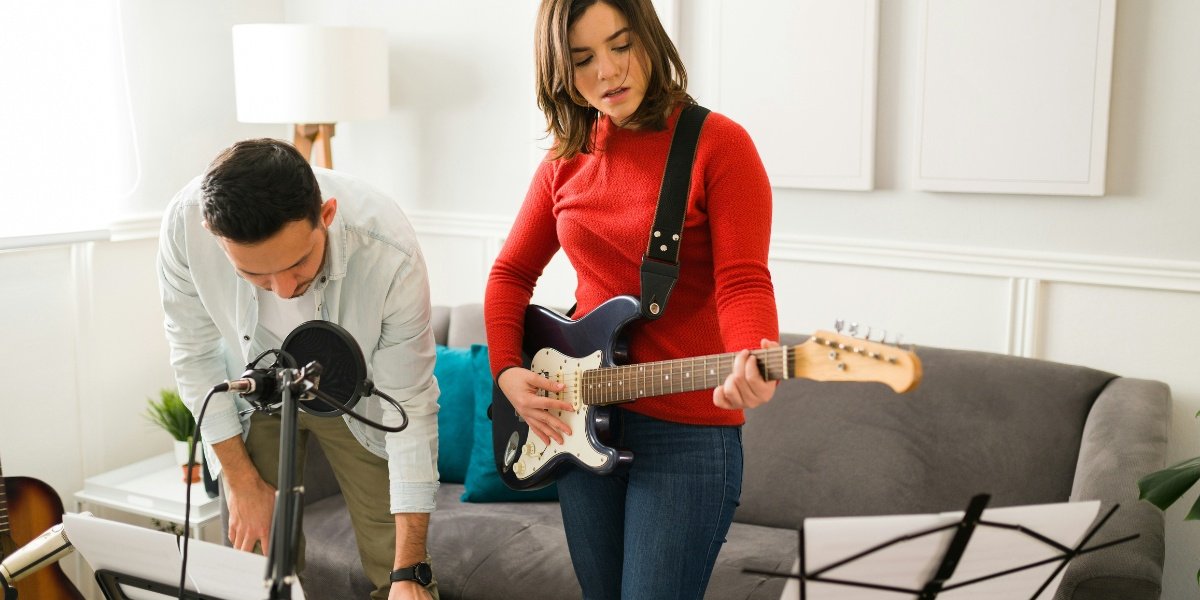
Performing solo is a different kind of pressure. There’s no one to share the stage, no harmonies to fall back on, and no built-in chemistry to rely on. That’s why many successful solo artists invest time in refining their live presence. They focus on stagecraft, vocal control, and audience connection, all elements that become more exposed without a group dynamic.

As highlighted in this breakdown of essential performance skills, solo artists benefit from mastering techniques that elevate their presence. That includes everything from pacing a setlist to handling technical hiccups with confidence. These skills don’t just improve the show, they build trust with audiences and promoters alike.

Some artists also rework old group material to fit their solo style. That can be risky, but when done well, it bridges the gap between past and present. It shows growth without disowning legacy, and it helps longtime fans stay connected while new ones come aboard.

Building a Strategic Music Portfolio

Going solo means taking control of the business side, too. Without a group or label infrastructure, artists often need to manage their own bookings, releases, and branding. That’s where a strong portfolio becomes essential. It’s not just about having tracks online, it’s about presenting a cohesive, professional image that opens doors.

As explained in this guide to creating a music portfolio, solo artists thrive when they treat their work like a business. That includes curating performance clips, maintaining updated bios, and showcasing versatility across genres or formats. A well-built portfolio helps secure gigs, attract collaborators, and signal readiness to industry gatekeepers.

Some artists also use their portfolio to highlight behind-the-scenes skills, songwriting, production, or visual direction. These elements show depth and help position the artist as more than just a performer. They become a creative force, capable of shaping projects from concept to execution.

Navigating Fan Expectations and Industry Pressure

Leaving a well-known group means stepping into the spotlight alone, and that spotlight can be unforgiving. Fans may compare solo work to group hits, while industry insiders might question whether the artist can carry a project independently. That kind of scrutiny can be tough, especially early on.

Solo artists who thrive tend to manage expectations carefully. They release music strategically, engage with fans directly, and avoid overpromising. Instead of trying to replicate past success, they focus on building something new, even if it takes time. That patience often pays off, especially when paired with consistent output and thoughtful branding.

Some artists also use storytelling to frame their journey. They share personal reflections, behind-the-scenes moments, or creative struggles. This kind of transparency helps humanize the transition and builds empathy with listeners. It’s not just about music, it’s about connection.

Collaborating Without Losing Independence

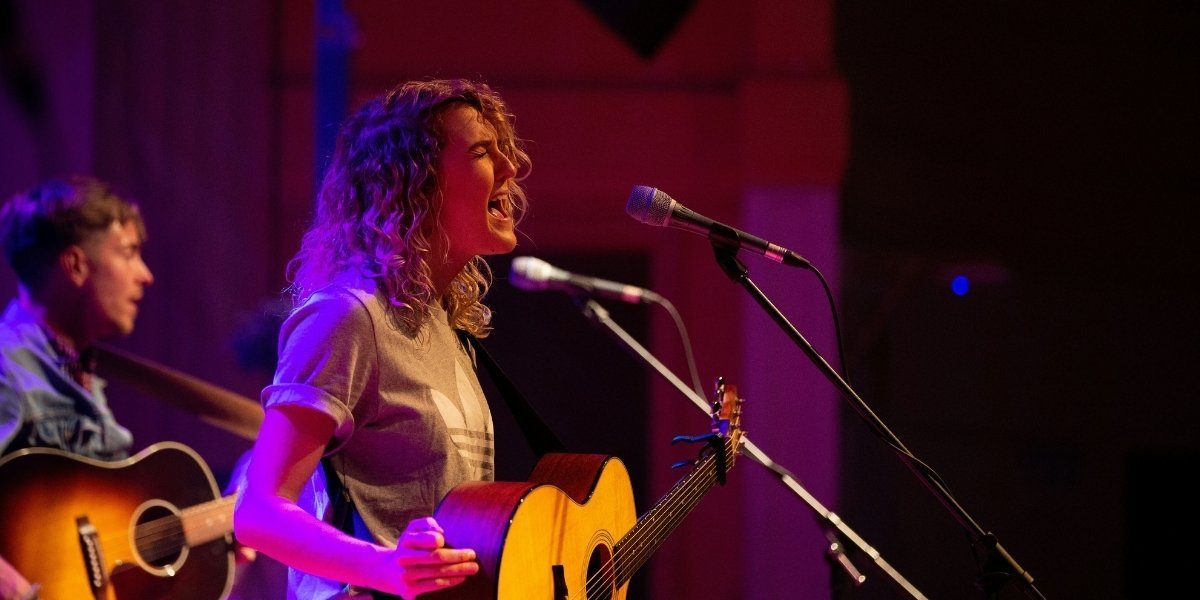
Going solo doesn’t mean going it alone. Many successful solo artists thrive by collaborating with other musicians, producers, or visual artists. These partnerships bring fresh energy and help expand reach, but they also require balance. The goal is to stay open without losing control.
How Solo Artists Thrive After Leaving Iconic Music Groups

Photo Credit: Unsplash.com

Some artists join collectives or work with independent labels that offer support without creative restrictions. Others build their own teams, managers, stylists, videographers, who understand the vision and help execute it. These setups allow for growth while keeping the artist’s identity front and center.

Collaboration also helps solo artists stay inspired. After years in a group, creative habits can become predictable. Working with new voices challenges those patterns and opens up unexpected directions. It’s not about replacing the group dynamic, it’s about evolving beyond it.

What It Takes to Thrive After Leaving a Group

Solo success isn’t guaranteed, even for artists who were part of iconic music groups. It takes more than talent, it takes clarity, discipline, and a willingness to start fresh. The artists who thrive are the ones who treat their solo career like a new chapter, not just a continuation.

They build strong portfolios, master live performance, and stay connected to their audience. They collaborate wisely, manage expectations, and keep refining their sound. Most importantly, they embrace the freedom that comes with independence, even when it’s uncomfortable.

For fans watching the journey unfold, it’s a reminder that music is always evolving. The group may be gone, but the voice remains, and sometimes, it’s stronger than ever.

Key Factors Behind the Success of U.S. High-Grossing Tours

High-grossing tours in the U.S. are more than just concerts, they’re cultural phenomena, economic powerhouses, and masterclasses in strategic execution. As the live music industry rebounds and evolves, tours are reaching unprecedented revenue levels, driven by a combination of production innovation, fan engagement, and business acumen. Behind every sold-out arena and record-breaking box office figure lies a blueprint of decisions that turn performances into profitable, unforgettable experiences.

From logistics and branding to adaptability and emotional connection, successful tours reflect the changing dynamics of the music business. Let’s break down the key factors that consistently elevate U.S. tours into high-grossing territory.

Tour Planning and Logistics: Precision Drives Profit

Every successful tour begins with meticulous planning. Routing, venue selection, and scheduling are optimized to maximize attendance and minimize costs. High-grossing tours often follow a hub-and-spoke model, clustering dates around major cities to reduce travel time and expenses.

For example, a 40-city U.S. tour that strategically avoids backtracking can save over $500,000 in fuel, lodging, and crew overtime. By grouping performances regionally, such as a West Coast leg followed by Midwest and East Coast stops, artists reduce logistical strain and improve crew efficiency.

Advanced planning also includes contingency strategies for weather delays, equipment failures, and health emergencies. As explored in The Actor’s Secret: Being Ready for Anything on Stage, adaptability is crucial. Tours that build in buffer days and backup systems are better equipped to maintain momentum and avoid costly cancellations.

Production Value and Stage Design: Creating Spectacle

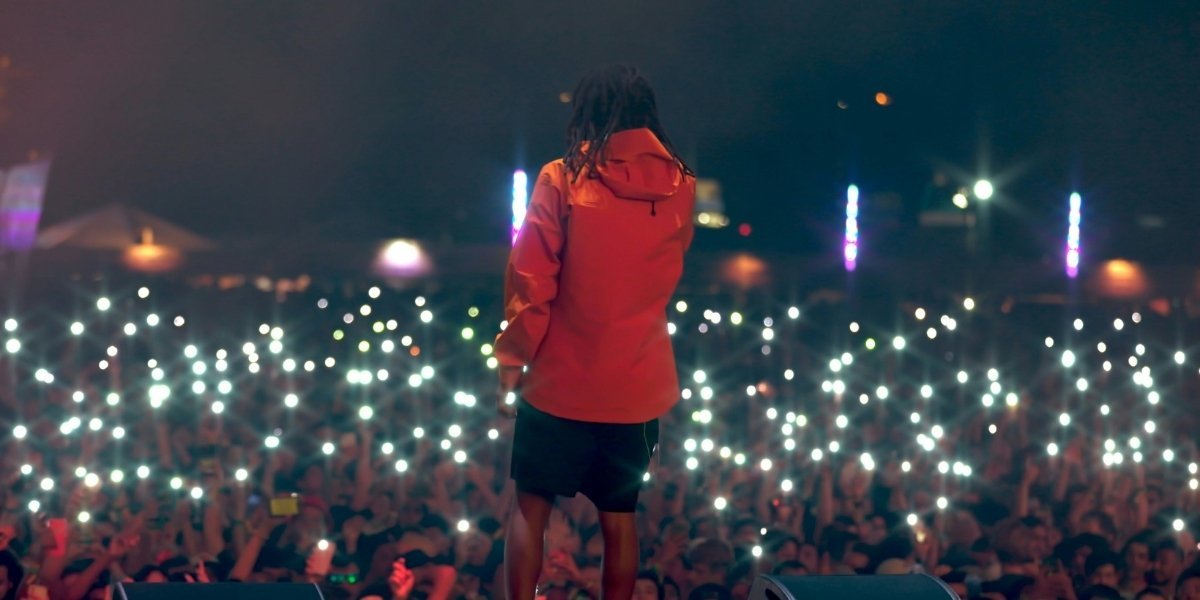
Production scale is a major driver of tour success. High-grossing tours invest heavily in lighting, sound, visuals, and stage architecture to create immersive experiences. These elements not only justify premium ticket prices but also generate viral content that fuels demand.

One tour featured a 360-degree rotating stage with synchronized LED panels and drone-assisted camera angles. The setup cost over $3 million but contributed to a 20% increase in merchandise sales and a 15% bump in repeat attendance. Fans shared clips across social media, amplifying reach and reinforcing the tour’s reputation as a must-see event.

Production also includes choreography, costume design, and multimedia integration. Tours that blend music with storytelling and visual art create deeper emotional impact, encouraging fans to invest in the experience beyond the music.

Fan Engagement and Personalization: Building Loyalty

Key Factors Behind the Success of U.S. High-Grossing Tours

Photo Credit: Unsplash.com

Successful tours prioritize fan engagement before, during, and after each show. Pre-sale codes, exclusive content, and interactive apps allow fans to feel involved in the journey. Personalized experiences, such as meet-and-greets, custom merchandise, and localized shoutouts, build loyalty and drive repeat attendance.

One tour used geotargeted social media campaigns to promote city-specific merchandise and behind-the-scenes content. Fans in each location received tailored messages, boosting local ticket sales by 12% compared to generic promotions.

Post-show engagement also matters. Tours that follow up with thank-you emails, photo galleries, and fan polls maintain momentum and encourage word-of-mouth marketing. These strategies turn attendees into ambassadors, expanding reach organically.

Dynamic Pricing and Revenue Optimization

Ticket pricing is both an art and a science. High-grossing tours use dynamic pricing models that adjust based on demand, location, and timing. This approach maximizes revenue while maintaining accessibility.

For instance, a tour that implemented tiered pricing, offering early bird discounts, VIP packages, and last-minute flash sales, generated 18% more revenue than a flat-rate model. VIP packages, which included backstage access and signed memorabilia, accounted for 25% of total ticket income despite representing only 10% of sales volume.

Revenue optimization also includes bundling strategies. Tours that package tickets with merchandise, digital downloads, or streaming subscriptions create multiple income streams and increase per-customer value.

Brand Partnerships and Sponsorships: Expanding Reach

Corporate sponsorships play a significant role in tour profitability. High-grossing tours often partner with beverage brands, tech companies, and fashion labels to offset production costs and expand marketing reach.

One U.S. tour secured a beverage partnership that covered 40% of venue rental fees in exchange for exclusive on-site sales and branding. The deal also included co-branded social media campaigns and product placement in tour content.

These partnerships allow artists to scale their tours without compromising quality. They also introduce the tour to new audiences through cross-promotion, increasing ticket sales and brand visibility.

Merchandising and On-Site Sales: Maximizing Fan Spend

Merchandise is a major revenue stream for high-grossing tours. From apparel and accessories to vinyl and collectibles, on-site sales can rival ticket income. Successful tours design exclusive items for each city, creating urgency and boosting sales.

One tour offered limited-edition posters featuring local landmarks and setlists. Fans lined up early to purchase them, resulting in a 35% increase in merchandise revenue compared to previous tours with generic offerings.

Mobile payment systems, pop-up shops, and pre-order options also streamline the buying process. Tours that invest in merchandising infrastructure see higher conversion rates and improved customer satisfaction.

Artist Branding and Narrative Consistency

Branding is essential for tour cohesion. High-grossing tours maintain consistent visual identity, messaging, and tone across all touchpoints, from posters and trailers to stage design and social media. This consistency reinforces the artist’s persona and strengthens emotional connection.

One tour centered around a theme of resilience, with visuals, setlists, and merchandise reflecting that narrative. Fans resonated with the message, sharing personal stories and creating user-generated content that extended the tour’s impact.

Narrative consistency also helps with media coverage and press relations. Tours with clear themes are easier to pitch, resulting in more interviews, features, and editorial support.

Adaptability in the New Music Business

As discussed in How Today’s Musicians Can Thrive in the New Music Business, adaptability is key. High-grossing tours respond to changing audience behaviors, platform trends, and economic conditions. Whether it’s adjusting setlists based on streaming data or shifting marketing strategies mid-tour, flexibility drives success.

One tour added acoustic sets and fan-requested songs after noticing a spike in engagement on unplugged content. The change led to increased ticket demand and positive press coverage, proving that responsiveness can be profitable.

Tours that monitor analytics, listen to fans, and pivot when needed stay relevant and resilient.

Tours as Strategic Masterpieces

High-grossing tours in the U.S. are the result of strategic planning, creative vision, and business savvy. From logistics and production to branding and fan engagement, every element contributes to the overall success. Filmmakers, musicians, and producers alike can learn from these models, applying the same principles of adaptability, storytelling, and audience connection to their own creative ventures.

As the live music industry continues to evolve, tours will remain a benchmark of influence and innovation. The most successful ones aren’t just performances, they’re experiences, economies, and movements built on the foundation of smart decisions and powerful execution.


Songwriting and Creative Processes Behind the Lyrics

Songwriting process is often described as mysterious, but for many artists, it’s a daily practice shaped by emotion, structure, and collaboration. The creative songwriting journey behind the lyrics is rarely linear. It can start with a single phrase, a melody hummed into a phone, or a feeling that refuses to be ignored. What follows is a series of choices, some instinctive, some deliberate, that transform raw ideas into lyrics that resonate.

For listeners who’ve ever wondered how a song manages to say exactly what they’re feeling, it’s not just coincidence. The songwriting process is designed to connect. It’s built on empathy, rhythm, and the ability to translate complex emotions into something simple enough to sing.

Where Songwriting Begins

The beginning of a song often comes from a moment of inspiration. That could be a conversation overheard in passing, a memory that resurfaces, or a chord progression that feels like it belongs to something bigger. Songwriters tend to collect these fragments, storing them in notebooks, voice memos, or mental archives until they’re ready to build around them.

Some songs start with lyrics. Others begin with melody. There’s no fixed formula. What matters is that the initial spark feels honest. That honesty becomes the foundation for everything that follows. Whether the song ends up being upbeat or melancholic, the core emotion needs to be clear.

Writers often talk about chasing a feeling rather than a concept. The goal isn’t to explain something, it’s to evoke it. That’s why some of the most memorable lyrics are also the simplest. They don’t try to impress. They try to express.

Structure and Rhythm in the Songwriting Process

Once the initial idea is in place, structure becomes important. Most songs follow a familiar format: verse, chorus, verse, chorus, bridge, chorus. This isn’t just tradition, it’s a rhythm that listeners recognize. It creates space for repetition, variation, and emotional build.

The chorus is usually where the main message lives. It’s the part people remember, the part they sing along to. Verses provide context, detail, and progression. The bridge offers contrast, a shift in perspective or tone before returning to the chorus.

Within this structure, lyricists pay close attention to syllables, rhyme schemes, and pacing. A line might be rewritten dozens of times to make it fit the melody or to land with the right impact. This part of the songwriting process is technical, but it’s also intuitive. Writers learn to trust their ear, their instincts, and their sense of rhythm.

Collaboration and Creative Exchange

While some songwriters work alone, many thrive in collaboration. Co-writing sessions are common in both pop and indie music, where artists, producers, and lyricists come together to shape a song. These sessions can be fast-paced or slow-burning, depending on the chemistry and the creative flow.

Collaboration brings new perspectives. One writer might focus on melody, another on lyrics, and another on production. Together, they refine ideas, challenge each other, and push the song toward its final form. This process can be energizing, but it also requires trust. Sharing unfinished ideas means being vulnerable, and not every idea will make it into the final version.

In some cases, the artist performing the song is also involved in the writing. In others, the song is written by a team and later pitched to performers. Either way, the goal is the same: to create something that feels authentic and emotionally true.

Emotional Storytelling Behind the Lyrics

Lyrics are more than words. They’re stories, confessions, questions, and declarations. The songwriting process often involves digging into personal experiences, even if the final product doesn’t sound autobiographical. Writers use metaphor, imagery, and repetition to shape emotion into language.

Songwriting and Creative Processes Behind the Lyrics

Photo Credit: Unsplash.com

Some songs tell a clear story from beginning to end. Others focus on a single moment or feeling. Both approaches can be powerful. What matters is that the lyrics feel lived-in. They should sound like they come from someone who’s felt what they’re describing.

This emotional storytelling is what makes lyrics memorable. It’s why listeners return to certain songs during heartbreak, celebration, or reflection. The words become a mirror, a companion, or a guide.

Challenges in Creative Songwriting

The songwriting process isn’t always smooth. Writer’s block is common, especially when pressure is involved. Deadlines, expectations, and self-doubt can make it hard to access creativity. Some writers take breaks, switch instruments, or change environments to reset their mindset.

Another challenge is balancing originality with relatability. A song needs to feel fresh, but it also needs to connect. Writers often experiment with phrasing, tone, and structure to find that balance. It’s a process of trial and error, and not every attempt leads to a finished song.

Despite these challenges, many songwriters describe the process as rewarding. There’s a sense of satisfaction in finding the right words, the right melody, and the right emotion. Even when the process is difficult, the result can be worth it.

Why Songwriting Still Matters

Songwriting remains one of the most essential parts of music creation. It’s the bridge between emotion and expression, between artist and audience. The creative process behind the lyrics is what gives songs their depth, their meaning, and their staying power.

For those who listen closely, lyrics offer insight into the human experience. They reflect joy, pain, hope, and doubt. They remind listeners that they’re not alone in what they feel. And for the songwriters behind those words, that connection is often the reason they write in the first place.

Breaking Through in Music: The Battle Every Artist Faces Today

Breaking through in music isn’t just about talent. It’s about visibility, timing, and navigating a system that often feels stacked against new voices. Whether an artist is just starting out or trying to reinvent themselves, the battle to be heard is real. From streaming algorithms to saturated social feeds, the path to recognition is filled with obstacles that demand more than creativity, they require strategy, resilience, and a clear sense of identity.

Breaking Through in Music Means Defining Your Voice

Before an artist can connect with an audience, they have to understand what they’re offering. That means defining a sound, a message, and a presence that feels authentic. This isn’t about branding in the corporate sense, it’s about clarity. Listeners respond to artists who know who they are and what they stand for.

Take Billie Eilish, for example. Her early work stood out not just because of her vocal style, but because her aesthetic and emotional tone were consistent. That clarity helped her cut through the noise. For emerging artists, defining voice is the first step in breaking through in music, even before the first release hits streaming platforms.

Visibility Is a Constant Challenge

Even with great music, getting noticed is one of the hardest parts of breaking through in music. Algorithms favor established names, and social media platforms reward constant engagement. For indie artists without a team, this can feel exhausting. Posting daily, responding to comments, and tracking analytics takes time away from creating.

Some artists find success by focusing on niche communities. A rapper in Atlanta built a loyal following by consistently releasing freestyles on Reddit’s hip-hop threads. A folk duo in Oregon gained traction by performing live on TikTok every Sunday. These aren’t shortcuts, they’re strategic choices that help artists show up where their audience already exists.

For those navigating solo careers, learning how artists thrive after leaving iconic music groups can offer insight into building visibility from scratch.

Breaking Through in Music Requires Strategic Promotion

Promotion isn’t just about shouting louder. It’s about knowing where to place your energy. Email lists, playlist pitching, live shows, and collaborations all play a role. But without a plan, these efforts can scatter and lose impact.

An indie pop artist in Chicago doubled her monthly listeners by focusing on playlist placement. She researched curators, submitted her tracks with personalized notes, and followed up respectfully. Within two months, her song landed on three mid-tier Spotify playlists, leading to press coverage and new fans.

Understanding music marketing tactics for indie artists can help musicians prioritize efforts that actually move the needle. It’s not about doing everything, it’s about doing the right things consistently.

Live Performance Still Matters

Despite the dominance of digital platforms, live shows remain one of the most powerful tools for breaking through in music. They create real connection, generate content, and build local buzz. Even small gigs can lead to big opportunities if the right people are in the room.

A jazz trio in New Orleans booked a weekly slot at a neighborhood bar. Over time, their audience grew, and a local radio producer took notice. That connection led to a feature on a regional station and eventually a spot at a summer festival. The path wasn’t glamorous, but it was effective.

Artists who treat every performance as a chance to refine their craft and connect with listeners often find that momentum builds organically. It’s not just about the crowd size, it’s about consistency and presence.

Breaking Through in Music Means Managing Expectations

The journey is rarely linear. Some songs take off unexpectedly, while others fade despite careful planning. Artists who break through often do so after years of quiet work, failed experiments, and personal growth. Managing expectations helps artists stay grounded and avoid burnout.

Breaking Through in Music The Battle Every Artist Faces Today

Photo Credit: Unsplash.com

A producer in Los Angeles spent five years making beats before one track caught the attention of a YouTube influencer. That single placement led to thousands of streams and new collaborations. He didn’t change his style, he stayed consistent and ready.

This kind of breakthrough doesn’t happen overnight. Artists who understand that success is cumulative tend to last longer and build deeper connections with their audience.

Collaboration Can Accelerate Growth

Working with other artists, producers, or creatives can open doors that solo efforts can’t. Collaborations introduce new audiences, spark fresh ideas, and create momentum. They also teach artists how to adapt and communicate, which are essential skills in any career.

A singer-songwriter in Nashville teamed up with a local spoken word artist for a joint EP. The project blended genres and reached fans who wouldn’t have discovered either artist alone. That collaboration led to press coverage and a short tour, expanding their reach beyond their usual circles.

Collaboration isn’t just a tactic, it’s a mindset. Artists who stay open to new partnerships often find unexpected paths to breaking through in music.

Authenticity Builds Loyalty

Listeners can tell when an artist is chasing trends versus sharing something real. Authenticity doesn’t mean being perfect, it means being honest. Artists who share their process, struggles, and growth tend to build deeper relationships with fans.

A bedroom pop artist in Brooklyn posted a video explaining why she scrapped her debut album. The vulnerability resonated, and her next release received more support than anything she’d done before. Fans appreciated the honesty and felt invested in her journey.

Breaking through in music isn’t just about numbers, it’s about connection. When listeners feel seen and understood, they stick around.

Breaking through in music is a battle every artist faces, but it’s not unwinnable. With clarity, strategy, and resilience, artists can navigate the noise and find their place. Whether through live shows, smart marketing, or authentic storytelling, the path is built one step at a time. 

Genre Fusion Is Reshaping the Future of Music Production

Genre fusion isn’t a new idea, but it’s starting to feel like the rules around music production are being rewritten. The lines between styles that used to feel fixed, hip-hop, jazz, electronic, folk, classical, are now more like suggestions. Producers aren’t just mixing sounds for novelty anymore. They’re building entire tracks around the tension and harmony between genres, and that shift is changing how music is made, shared, and understood.

For anyone trying to keep up, it can feel like the ground is always moving. One moment a track leans into house rhythms, the next it’s layered with acoustic guitar and spoken word. That unpredictability can be exciting, but also frustrating for those trying to categorize, market, or even just follow what’s happening. Genre fusion doesn’t always come with a clear label, and that’s part of the point.

Why Genre Fusion Works in Music Production

At its core, genre fusion works because it reflects how people actually listen. Most listeners don’t stick to one style anymore. Playlists jump from ambient to drill to indie pop without warning. That shift in listening habits has pushed producers to think less about fitting into a box and more about creating something that feels honest, layered, and unexpected.

The production process itself has adapted. Digital tools make it easier to experiment with sounds that used to be hard to combine. A producer can sample a traditional string section, pitch it down, and pair it with trap drums without needing a full studio or live musicians. That flexibility opens up creative possibilities that weren’t always accessible.

Genre Fusion Is Reshaping the Future of Music Production

Photo Credit: Unsplash.com

Still, blending genres isn’t just about throwing sounds together. It takes a clear sense of rhythm, tone, and structure to make it work. A track that mixes jazz progressions with electronic textures needs to respect the timing and feel of both. Otherwise, it risks sounding disjointed. That’s where experience and instinct come in, knowing what to keep, what to strip away, and how to make the fusion feel natural.

Genre Fusion and the Shifting Role of Producers

Producers aren’t just technicians anymore. They’re curators, translators, and sometimes even cultural mediators. Genre fusion asks them to understand not just the technical side of production, but the emotional and historical weight of the styles they’re blending. That’s a lot to carry, especially when expectations around originality and authenticity are high.

Some producers use genre fusion to challenge norms. Others use it to create something more accessible. Either way, the role has expanded. It’s not just about making a beat or mixing vocals. It’s about shaping a sound that speaks across audiences, sometimes across languages, and often across traditions.

That shift has also changed how producers collaborate. Sessions might include artists from completely different backgrounds, each bringing their own influences. The producer becomes the bridge, helping those ideas meet in the middle without losing their edge. It’s a balancing act, and not every fusion works. But when it does, it can lead to something that feels fresh without being forced.

How Genre Fusion Affects Music Discovery and Categorization

Streaming platforms still rely on genre tags to organize music, but those tags don’t always reflect what’s actually happening in the track. A song might be labeled as R&B but carry heavy punk energy. Another might sit under electronic but feature folk-style storytelling. That mismatch can make discovery harder, especially for listeners looking for something specific.

Some producers and artists have started using mood-based or vibe-based descriptors instead. That helps, but it doesn’t solve the deeper issue: genre fusion challenges the idea that music needs to be sorted by style at all. It asks whether categorization should be based on sound, intent, or audience.

This shift also affects how music is marketed. A track that blends genres might appeal to multiple audiences, but it can also confuse algorithms and playlist curators. That’s especially tough for independent musicians trying to gain traction. Without clear genre placement, their work might get overlooked, even if it’s exactly what listeners want.

That’s where social media and digital platforms have become essential. They allow artists to bypass traditional gatekeepers and connect directly with fans who appreciate genre-blending. Some producers have built entire followings by sharing snippets, breakdowns, and behind-the-scenes looks at how they mix styles. These platforms give space for experimentation, even if the algorithms don’t always catch up.

This shift in discovery is part of a broader change in how independent musicians use social media and digital platforms to build their audience and share genre-blending work that doesn’t fit traditional molds.

Genre Fusion and the Challenge of Fair Recognition

Genre fusion also raises questions about credit and compensation. When a track pulls from multiple traditions, who gets recognized? Who gets paid? That’s not always clear, especially when samples, references, or stylistic nods are involved.

Producers and songwriters often work behind the scenes, shaping the sound without getting full credit. Genre fusion can make that even more complicated. A track might include elements from a style that’s underrepresented or historically marginalized, and if those contributions aren’t acknowledged, it can feel like erasure.

This issue has sparked conversations about why songwriters are fighting for fair pay, especially when their contributions to genre-blending tracks aren’t fully recognized.

It’s not just about fairness. It’s about making sure the creative work behind genre fusion is respected and valued. That includes the producers who shape the sound, the artists who bring the vision, and the communities whose styles are being blended.

Why Genre Fusion Feels Personal to Listeners and Creators

Genre fusion isn’t just a technical shift. It’s emotional. It reflects how people live, listen, and express themselves. For some, it’s a way to connect different parts of their identity. For others, it’s a way to challenge expectations or explore something new.

Genre Fusion Is Reshaping the Future of Music Production

Photo Credit: Unsplash.com

That personal connection is part of why genre fusion resonates. It doesn’t ask listeners to choose between styles. It invites them to hear how those styles can speak to each other. That’s powerful, especially for those who’ve never felt fully represented by one genre alone.

Still, it’s not always easy to navigate. Producers and artists might struggle to find the right balance, and listeners might feel unsure about what they’re hearing. That confusion is valid. Genre fusion doesn’t always come with a clear roadmap. But that’s also what makes it exciting.

Music production is changing, and genre fusion is a big part of that shift. It’s not about abandoning tradition. It’s about rethinking how styles interact, how sounds evolve, and how creativity moves through different spaces. That change isn’t always smooth, but it’s shaping a new kind of listening, one that’s layered, open, and constantly in motion.

Actor’s Guide to Character Building: Creating Authentic Performances

Character building is one of the most essential skills in acting. It’s what separates a surface-level portrayal from a performance that feels lived-in and emotionally true. Whether on stage or screen, actors who understand character building can move audiences, deepen their craft, and bring complexity to every role. This process isn’t just about memorizing lines or hitting marks, it’s about creating a believable human experience.

Character Building Begins with Observation

Actors often start character building by observing real people. This includes studying body language, speech patterns, emotional reactions, and social dynamics. For instance, an actor preparing to play a nurse might spend time in a hospital setting, watching how professionals interact with patients and each other. These observations help shape choices that feel grounded and specific.

Some actors keep journals to track their findings, noting how different personalities respond to stress, joy, or conflict. These details become tools for shaping behavior on stage. It’s not about copying someone exactly, but about understanding the emotional truth behind their actions.

Physicality Is a Key Part of Character Building

How a character moves can say just as much as what they say. Physical choices, posture, gestures, rhythm, help define personality and emotional state. A character who walks with stiff shoulders and clenched fists might be holding back anger or fear. One who slouches and avoids eye contact could be dealing with insecurity.

Actors often use movement exercises to explore these traits. In rehearsal, they might exaggerate physical choices before dialing them back to a natural level. This helps them discover what feels authentic and what reads clearly to an audience.

For those refining their physical approach, exploring the actor’s toolkit of body, voice, and imagination can offer practical techniques for integrating movement into character work.

Voice and Language Shape Character Identity

Character building also involves vocal choices. Tone, pitch, pace, and accent all contribute to how a character is perceived. A confident character might speak with clarity and volume, while a more timid one could have a softer, hesitant delivery.

Actors often experiment with different vocal styles during rehearsal. They may record themselves reading lines in various tones to see which version feels most aligned with the character’s emotional state. These choices aren’t just technical, they’re emotional. The way a character speaks reflects how they feel and what they want.

Language matters too. Word choice, sentence structure, and rhythm can reveal background, education, or emotional state. A character who speaks in short, clipped phrases might be guarded, while one who rambles could be anxious or excited.

Emotional Memory Supports Character Building

Many actors use emotional memory to connect with their characters. This involves recalling personal experiences that mirror the character’s situation. If a character is grieving, the actor might draw on a time they felt loss, not to recreate the exact moment, but to access the emotional truth behind it.

This technique requires care and boundaries. Actors need to protect their well-being while using their experiences to inform their work. Emotional memory isn’t about reliving trauma, it’s about understanding how emotions move through the body and voice.

Some actors prefer to use imagination instead, creating fictional scenarios that evoke similar feelings. Both approaches can be effective, depending on the actor’s comfort level and training.

Intentions Drive Character Behavior

Every character wants something. Whether it’s love, power, safety, or approval, these desires shape how they behave. Character building involves identifying these intentions and using them to guide choices. An actor playing a lawyer might decide their character wants to win at all costs, which influences how they speak, move, and interact.

Actor’s Guide to Character Building: Creating Authentic Performances

Photo Credit: Unsplash.com

Intentions help actors stay grounded in scenes. Instead of focusing on how to deliver a line, they focus on what the character is trying to achieve. This creates a sense of urgency and emotional clarity that makes performances more compelling.

Actors who want to stay flexible in performance often explore how to be ready for anything on stage. Learning to adapt while staying connected to intention is a skill that supports both spontaneity and consistency. Insights on being ready for anything in performance can help actors build resilience and responsiveness.

Backstory Adds Depth to Character Building

Creating a backstory helps actors understand their character’s history, relationships, and worldview. Even if these details aren’t mentioned in the script, they influence how the character behaves. A character who grew up in a strict household might carry tension in their body or speak with formality.

Actors often write biographies for their characters, including childhood memories, key relationships, and defining moments. These stories help them make consistent choices and avoid generic portrayals. Backstory isn’t about inventing drama, it’s about creating context.

Rehearsal Is Where Character Building Comes Alive

Rehearsal is the space where all these elements come together. Actors test their choices, receive feedback, and refine their approach. They may discover that a gesture feels forced or that a vocal choice doesn’t land. Through repetition and exploration, the character becomes more layered and believable.

Directors often guide this process, helping actors stay aligned with the story while encouraging personal discovery. Collaboration is key. Scene partners influence how a character behaves, and adjustments are made based on chemistry and timing.

Authenticity Comes from Integration

Authentic performances don’t come from one technique alone. They emerge when observation, physicality, voice, emotion, intention, and backstory are integrated into a cohesive whole. Character building is about layering these elements until the actor no longer feels like they’re “playing” a role, they’re living it.

Audiences respond to truth. When a character feels real, viewers connect emotionally and stay engaged. That’s why character building is more than preparation, it’s the foundation of meaningful performance.

How Celebrities Are Breaking Mental Health Stigma with Their Stories

Mental health stigma has long kept people silent, especially in industries where image and perception carry weight. In entertainment, where vulnerability is often hidden behind performance, celebrities are now using their platforms to speak openly about mental health. Their stories are helping to shift public attitudes, normalize emotional struggles, and encourage others to seek support without shame.

Mental Health Stigma Is Rooted in Silence

For decades, mental health stigma thrived on the idea that emotional challenges should be kept private. Public figures were expected to maintain composure, even when struggling behind the scenes. This silence created a culture where asking for help was seen as weakness, and admitting to anxiety or depression risked judgment or career damage.

Celebrities who speak out today are challenging that narrative. By sharing their experiences, they’re showing that mental health issues are part of being human, not a flaw to hide. Their openness helps dismantle outdated beliefs and makes space for more honest conversations.

Personal Stories Make Mental Health Stigma Easier to Confront

When artists and performers talk about their mental health, they often do so with raw honesty. Selena Gomez has spoken about her bipolar diagnosis, explaining how understanding her condition helped her feel more in control. Dwayne “The Rock” Johnson has shared his experience with depression, emphasizing that strength includes asking for help.

These stories resonate because they’re specific and relatable. They show that mental health stigma affects people across backgrounds and careers. Hearing someone in the spotlight describe panic attacks or therapy sessions makes those experiences feel less isolating for everyday listeners.

Some celebrities also share how they maintain emotional balance while staying visible. Insights on mental health in the public eye offer practical strategies that others can adapt to their own lives, especially those navigating high-pressure environments.

Music Plays a Role in Breaking Mental Health Stigma

Many musicians use their work to process and express emotional pain. Lyrics about anxiety, trauma, or healing help listeners feel seen and understood. Billie Eilish, Kid Cudi, and Demi Lovato have all released songs that touch on mental health themes, turning personal struggles into shared experiences.

This kind of storytelling helps break mental health stigma by making it part of the cultural conversation. When fans hear their favorite artists sing about therapy or emotional lows, it validates their own feelings and encourages openness.

Beyond lyrics, some artists speak directly about how music supports their well-being. Exploring how music and mental health intersect reveals how creative expression can serve as both therapy and connection.

Social Media Amplifies the Fight Against Mental Health Stigma

Platforms like Instagram and TikTok allow celebrities to share unfiltered moments, including those that reflect vulnerability. Instead of polished press releases, followers see real-time updates about therapy sessions, mental health breaks, or emotional reflections.

How Celebrities Are Breaking Mental Health Stigma with Their Stories

Photo Credit: Unsplash.com

Singer Lizzo has posted videos discussing body image and self-worth, while Shawn Mendes has shared journal entries about anxiety. These posts reach millions and often spark supportive conversations in the comments. The immediacy of social media makes these messages feel personal and accessible.

While social media can also contribute to stress, many celebrities use it intentionally to challenge mental health stigma. They model transparency and self-care, showing that emotional honesty is compatible with public life.

Mental Health Stigma Is Slowly Losing Its Grip

The impact of celebrity storytelling is visible in shifting public attitudes. More people now view therapy as a normal part of life, and discussions about mental health appear in classrooms, workplaces, and media. Celebrities aren’t the only reason for this change, but their influence helps accelerate it.

When someone admired for their talent or success admits to struggling, it sends a powerful message: mental health challenges don’t define worth. This reframing helps reduce shame and encourages others to speak up.

A recent survey showed that younger audiences are more likely to seek mental health support if someone they admire has done the same. This ripple effect demonstrates how breaking mental health stigma isn’t just about individual healing, it’s about collective change.

Support Systems Matter in the Fight Against Mental Health Stigma

Celebrities often credit their support systems, friends, therapists, creative outlets, for helping them manage mental health. These networks remind audiences that healing doesn’t happen in isolation. Whether it’s a trusted counselor or a safe space to talk, support makes a difference.

Lady Gaga has spoken about her foundation’s work in mental health advocacy, emphasizing the importance of community care. Her efforts highlight that breaking mental health stigma also involves building resources and access for others.

For those outside the spotlight, finding support may look different, but the principle remains the same. Connection, understanding, and safe spaces are key to challenging stigma and promoting emotional well-being.

Breaking Mental Health Stigma Requires Ongoing Effort

While progress is visible, the work isn’t finished. Mental health stigma still exists in many communities, industries, and cultures. Celebrities who continue to speak out help keep the conversation alive, but lasting change depends on education, access, and empathy.

Public figures who revisit their stories, not just once, but over time, show that mental health is a journey, not a headline. Their consistency helps normalize the ups and downs of emotional well-being and encourages others to stay engaged with their own healing.

Mental health stigma is losing ground, thanks in part to celebrities who choose honesty over image. Their stories help normalize emotional challenges, encourage support-seeking, and reshape public perception. By speaking out, they’re not just helping themselves, they’re helping others feel less alone.

How Global Music Festivals Are Reshaping the Industry

Global music festivals aren’t just about massive crowds and headlining acts anymore. They’ve quietly become one of the most influential forces shaping how the music industry works, from artist discovery and audience behavior to cultural exchange and economic impact. For those trying to keep up with the constant shifts in music, it can feel like the ground is always moving. But understanding how these festivals operate offers a clearer view of where the industry’s headed.

Global Music Festivals Are Changing How Artists Break Through

One of the most noticeable shifts is how artists gain exposure. Global music festivals now act as launchpads for performers who might’ve stayed regional otherwise. Instead of relying solely on streaming platforms or radio play, artists are connecting directly with international audiences. That kind of visibility can lead to bookings across continents, cross-border collaborations, and fanbases that span languages and cultures.

It’s not just about playing a set, it’s about being seen by the right people. These festivals attract scouts, promoters, and producers who are constantly searching for fresh talent. An artist performing a midday slot in one country could end up touring overseas within months. That kind of leap used to take years. Now, it’s happening faster, and it’s changing how careers are built.

Audience Habits Are Evolving Through Global Music Festivals

Global music festivals are also reshaping how people listen. Attendees aren’t just sticking to one genre, they’re exploring new sounds, often without realizing it. Someone who came for electronic music might leave with a new appreciation for folk-pop or South Asian percussion. That kind of exposure is influencing listening habits in ways that algorithms alone can’t replicate.

This shift is pushing artists to experiment more. Sets often blend traditional instruments with digital production, or switch between languages mid-performance. Festival crowds are open to that kind of fusion, and it’s encouraging musicians to take creative risks. The result is a more diverse soundscape, one that reflects the global nature of these events.

Cultural Exchange Is Becoming Central to Music Industry Trends

Global music festivals aren’t just about music, they’re about culture. When artists from different countries share a stage, it creates moments of exchange that go beyond sound. These events often include food, fashion, and visual art from various regions, giving attendees a fuller experience of what each culture brings to the table.

This kind of cultural blending is influencing how music is marketed and consumed. Labels and promoters are paying closer attention to regional tastes, and artists are tailoring their releases to appeal to broader audiences. It’s not just about translating lyrics, it’s about understanding what resonates in different places. That’s becoming a key skill as the industry grows more global.

Some festivals have even become known for promoting cultural understanding. They’re not just entertainment, they’re platforms for dialogue, creativity, and shared experience. That’s a big shift from the days when festivals were mostly about partying. Now, they’re shaping how music connects people across borders.

Technology Is Amplifying the Reach of Global Music Festivals

The influence of global music festivals isn’t limited to those who attend in person. With digital access expanding, these events are reaching audiences who might never set foot on the grounds. Many festivals have adapted to the digital age through this shift to live streaming and virtual events, allowing fans to experience performances from anywhere. This format has made it easier for artists to build global followings, even if they’re not touring extensively.

How Global Music Festivals Are Reshaping the Industry

Photo Credit: Unsplash.com

This digital reach is changing how festivals are planned. Organizers are thinking about camera angles, online engagement, and how to make virtual attendees feel included. That’s creating new roles within the industry, from digital producers to remote audience managers. It’s a reminder that music isn’t just about sound anymore, it’s about experience.

For artists, this means more visibility and more pressure. A performance isn’t just for the crowd in front of the stage, it’s for viewers around the world. That’s influencing everything from set design to song selection. And for fans, it means more access, but also more noise to sort through. Finding something meaningful in the flood of content can be a challenge.

Global Music Festivals Are Impacting Local Economies and Cultures

While the spotlight is often on the performers, global music festivals also have a major effect on the places that host them. They bring in tourism, create jobs, and sometimes even shape local identity. Cities that host major festivals often see a boost in visibility, which can lead to more investment in arts and infrastructure. As noted in this look at how festivals impact local economies and cultures, the influence goes far beyond the music itself.

This impact can be positive, but it also requires careful planning. If not managed well, festivals can strain local resources or dilute cultural traditions. That’s why organizers are paying closer attention to sustainability, inclusivity, and community engagement. It’s not just about putting on a show, it’s about building something that works for everyone involved.

The music industry is watching these dynamics closely. There’s growing interest in how festivals can be more respectful of local customs, more supportive of regional artists, and more transparent about their impact. That’s leading to changes in how events are designed, from the vendors they include to the artists they book. It’s a sign that global music festivals aren’t just reshaping the industry, they’re reshaping how the industry interacts with the world.

Final Thoughts on How Global Music Festivals Are Reshaping the Industry

Global music festivals are doing more than filling fields with sound. They’re changing how artists grow, how fans listen, and how cultures connect. These shifts aren’t always easy to track, especially for those trying to keep up with everything happening in music. But they’re real, and they’re shaping the direction of the industry in ways that matter.

For anyone feeling overwhelmed by the pace of change, it helps to remember that music has always been about connection. Global festivals are just expanding that connection, making it more diverse, more accessible, and more reflective of the world’s many voices. That’s not something to fear, it’s something to understand.

Music Marketing Tactics Every Indie Artist Should Know

Music marketing tactics aren’t just for big-budget campaigns or major label rollouts. Independent artists rely on them every day to stay visible, connect with listeners, and build something sustainable. The challenge is that most indie artists don’t have a team handling strategy behind the scenes. They’re writing, recording, performing, and promoting, all at once. That’s a lot to juggle, and it’s easy to feel stuck or unsure about what’s actually working.

The truth is, music marketing doesn’t need to be complicated. It just needs to be consistent, thoughtful, and rooted in what makes the artist unique. Whether someone’s just starting out or trying to grow an existing audience, the basics of independent music promotion remain the same: make great music, share it with intention, and keep showing up.

Understanding the Role of Music Marketing Tactics

Music marketing tactics help indie artists shape how their work reaches people. It’s not just about posting a song and hoping it catches on. It’s about knowing where listeners spend their time, how they discover new music, and what makes them stick around. That could mean building a presence on streaming platforms, engaging with fans on social media, or finding creative ways to collaborate with other artists.

Some artists focus on visuals to support their sound, pairing their music with artwork or video that reflects their style. Others lean into storytelling, using captions, interviews, or behind-the-scenes clips to give listeners a sense of who they are. These tactics aren’t one-size-fits-all, but they do share a common goal: helping people connect with the music beyond just hearing it.

There’s also a growing interest in how music and visual art come together, using that connection to build a more immersive experience. Artists who understand how music and visual art come together often create releases that feel more personal and memorable, whether through album covers, live projections, or collaborative projects.

Why Indie Artist Marketing Needs to Be Intentional

Indie artist marketing works best when it’s intentional. That means thinking about what the music represents, who it’s for, and how it fits into the broader conversation. It’s not just about gaining followers or chasing trends. It’s about building something that lasts, even if it starts small.

One challenge many artists face is figuring out how to stand out without feeling like they’re constantly selling themselves. That’s a real concern, and it’s why authenticity matters. Listeners can tell when something feels forced or disconnected. Marketing doesn’t have to be flashy or loud, it just has to be honest.

Some artists find success by focusing on local scenes, performing at community events or collaborating with nearby creatives. Others look to niche audiences, sharing music with people who care deeply about a specific genre or style. These approaches might not lead to overnight fame, but they often build stronger connections and more loyal listeners.

There’s also value in understanding how music fits into other industries. Sound plays a major role in advertising, and some indie artists have found opportunities by licensing their work for campaigns. Those who understand how sound enhances brand identity and engagement often find new ways to connect with audiences while staying true to their creative voice.

Building Visibility Through Independent Music Promotion

Independent music promotion is about staying visible without relying on major platforms to do the work. That means creating a rhythm for sharing music, updates, and creative content. It doesn’t have to be constant, but it should be consistent enough that listeners know what to expect.

Music Marketing Tactics Every Indie Artist Should Know

Photo Credit: Unsplash.com

Some artists use short-form video to highlight new releases or share snippets of live performances. Others focus on playlists, submitting tracks to curators or building their own collections to showcase their influences. These tactics help keep the music in circulation, even between official releases.

Live shows also play a role. Whether it’s a small venue or a virtual performance, being present and engaging with listeners helps build trust. It’s not just about playing the songs, it’s about creating a moment that people remember. That kind of connection often leads to word-of-mouth growth, which remains one of the most powerful tools in music marketing.

There’s also room for experimentation. Some artists try out new formats, like releasing music in chapters or pairing songs with written stories. Others explore interactive experiences, letting fans vote on setlists or remix tracks. These ideas don’t work for everyone, but they show how flexible independent music promotion can be.

Staying Grounded While Navigating Music Marketing Tactics

Music marketing tactics can feel overwhelming, especially for indie artists handling everything themselves. There’s pressure to be everywhere at once, to post constantly, and to keep up with changing algorithms. That pressure is real, and it’s okay to feel tired or unsure sometimes.

The key is to stay grounded. Not every tactic needs to be used, and not every platform needs to be mastered. What matters is finding a rhythm that fits the artist’s life and creative process. That might mean focusing on one channel, building a small but engaged audience, and growing from there.

It’s also helpful to set realistic goals. Instead of chasing viral moments, some artists aim for steady growth, meaningful feedback, or creative satisfaction. These goals might not look impressive on paper, but they often lead to longer careers and deeper connections.

Collaboration can help too. Working with other artists, producers, or visual creators can lighten the load and spark new ideas. It’s not about outsourcing everything, it’s about sharing the process and learning from others. That kind of support can make music marketing feel less like a chore and more like part of the creative journey.

Why Music Marketing Tactics Still Matter for Indie Artists

Music marketing tactics aren’t just tools, they’re part of how indie artists shape their careers. They help define the sound, the story, and the way listeners experience the music. That’s why they matter, even if they’re not always easy to manage.

For artists trying to find their footing, it’s normal to feel unsure about what works. There’s no perfect formula, and even seasoned musicians experiment with different approaches. What matters is staying curious, staying consistent, and staying connected to the music.

Whether it’s through visual collaborations, playlist strategies, or licensing opportunities, indie artist marketing continues to evolve. Some artists are even exploring how sound enhances brand identity and engagement, while others are building creative connections through music and visual art. It’s not about chasing trends, it’s about building something that reflects the artist’s voice and vision. And that’s what makes it worth the effort.


How Dance Challenges Are Boosting Music Popularity

Dance challenges have become one of the most powerful tools for boosting music popularity in the U.S. What began as short-form content on social media platforms has evolved into a full-fledged promotional strategy, capable of turning unknown tracks into chart-topping hits. These challenges blend choreography, community, and virality, creating a feedback loop that benefits both artists and audiences.

As the music industry continues to adapt to digital-first trends, dance challenges are reshaping how songs are discovered, shared, and celebrated. From bedroom creators to global campaigns, the impact is measurable, and growing.

Dance Challenges as Discovery Engines

In an era where algorithms influence listening habits, dance challenges offer a direct path to visibility. A catchy beat paired with a repeatable move can propel a track into millions of feeds within days. Platforms like TikTok, Instagram Reels, and YouTube Shorts have become incubators for music discovery, often outperforming traditional radio or playlist placements.

One track saw a 300% increase in streams within a week of its associated dance challenge going viral. The choreography was simple, the beat infectious, and the format perfect for looped content. Users recreated the moves across demographics, turning the song into a cultural moment.

This shift reflects broader changes in how audiences engage with music online. Social media’s influence on music discovery has made dance challenges a frontline strategy for artists and labels alike.

Fan Engagement and Community Building

Dance challenges thrive on participation. Unlike passive listening, they invite fans to become part of the narrative. Whether through solo performances, duets, or group routines, users contribute to the song’s momentum by adding their own flair.

A recent challenge encouraged users to incorporate local landmarks into their videos, resulting in thousands of regionally flavored clips. This not only boosted the track’s visibility but also created a sense of ownership among fans. The artist behind the song later incorporated fan footage into a tour visual, reinforcing the connection.

This kind of engagement builds loyalty and expands reach. When fans feel involved, they’re more likely to stream, share, and support the music beyond the challenge itself.

Dance Challenges and Cross-Platform Virality

The success of dance challenges often extends beyond their original platform. A clip that gains traction on TikTok can quickly migrate to Instagram, Twitter, and even television. This cross-platform virality amplifies exposure and introduces the track to new audiences.

One challenge began on TikTok and was later featured in a morning news segment, sparking interest among viewers who hadn’t encountered the song online. The track subsequently climbed streaming charts and was added to curated playlists across multiple services.

This kind of momentum demonstrates how dance challenges can serve as launchpads for broader campaigns. They’re not confined to one app—they ripple across the digital ecosystem.

Influencer Amplification and Organic Reach

While dance challenges often begin organically, influencers play a key role in accelerating their spread. When creators with large followings participate, their audiences tend to follow suit. However, the most effective campaigns balance influencer involvement with grassroots participation.

A label partnered with mid-tier creators to seed a challenge, focusing on authenticity rather than polished choreography. The result was a wave of user-generated content that felt spontaneous and relatable. Within two weeks, the track entered the top 50 on a major streaming platform.

This approach aligns with music trends reshaping the industry, where authenticity and relatability often outperform high-budget production.

Dance Challenges as Data Signals

Beyond visibility, dance challenges provide valuable data. Labels and artists can track engagement metrics, geographic spread, and audience demographics in real time. This information informs marketing decisions, tour planning, and future releases.

One campaign revealed that the majority of challenge participants were based in the Midwest, prompting the artist to add several cities to their tour schedule. Another challenge showed strong engagement among Spanish-speaking users, leading to a bilingual remix that expanded the song’s reach.

These insights turn dance challenges into strategic tools, not just viral stunts.

Creative Control and Cultural Sensitivity

How Dance Challenges Are Boosting Music Popularity

Photo Credit: Unsplash.com

As dance challenges become more common, creators must navigate issues of originality and cultural sensitivity. Choreography should be accessible, inclusive, and respectful of its influences. Missteps can lead to backlash, undermining the campaign’s intent.

A recent challenge faced criticism for appropriating moves from a traditional dance style without credit. The artist responded by collaborating with dancers from that community, creating a revised version that honored the original while maintaining the challenge’s appeal.

This example highlights the importance of thoughtful execution. Dance challenges should celebrate creativity, not exploit it.

Monetization and Long-Term Value

Dance challenges also contribute to monetization. Increased streams lead to higher royalty payouts, while viral success can attract brand partnerships and sync opportunities. Some artists have secured licensing deals after their challenge gained traction, using the momentum to expand into fashion, fitness, or gaming.

One track was featured in a mobile game after its dance challenge became popular among younger audiences. The licensing deal generated additional revenue and introduced the song to a new market segment.

These outcomes show that dance challenges can have lasting value beyond the initial wave of engagement.

Conclusion: Dance Challenges as Strategic Catalysts

Dance challenges are no longer fringe phenomena—they’re central to how music gains traction in the U.S. By combining choreography, community, and digital fluency, they offer artists a dynamic way to boost popularity and connect with fans.

As the music industry continues to evolve, dance challenges will remain a key part of the promotional toolkit. Their ability to drive discovery, generate data, and build emotional resonance makes them one of the most effective strategies in today’s creative landscape.