Music Observer

Don’t Let Aches and Pains Derail Your Music: Addressing Physical Challenges for Violinists

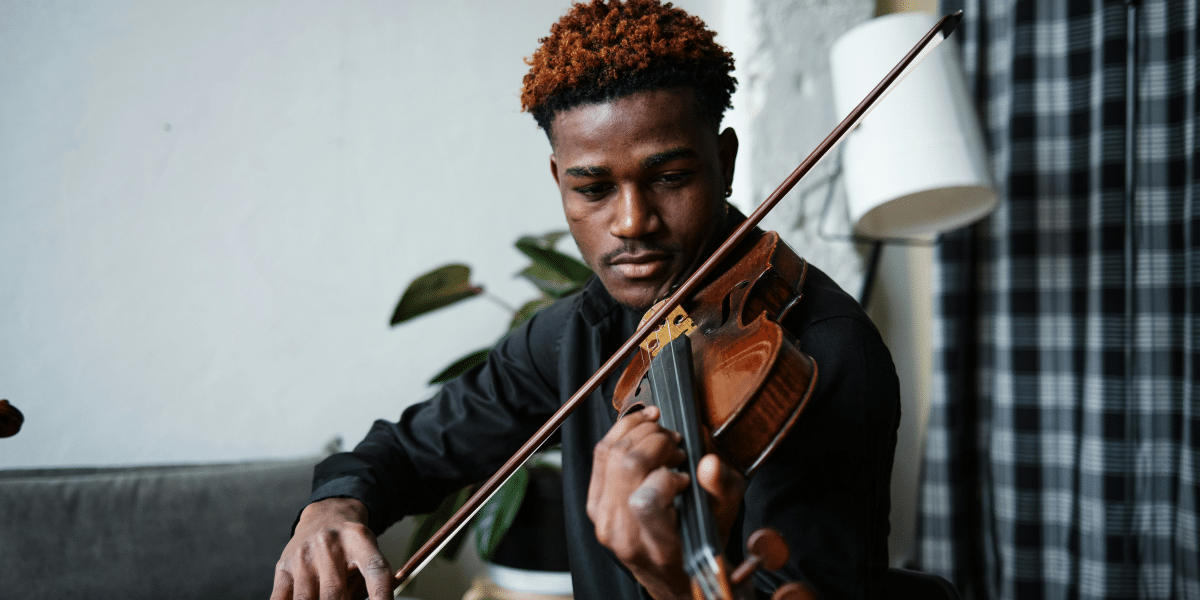
Playing the violin is an incredibly rewarding art form, but it’s also physically demanding. The repetitive motions, awkward postures, and the need to hold the instrument for extended periods can put a strain on your body. If left unchecked, violinists can face aches, pains, and even overuse injuries that can sideline their musical journey. Let’s delve into the common physical challenges violinists face and some strategies to address them.

Posture Problems

Picture this: you’re engrossed in a beautiful piece, but your shoulders are hunched up to your ears, your neck is straining forward, and it feels like you could use a dental appointment from all the jaw clenching. Sound familiar? Unfortunately, when we get lost in the music, good posture often flies out the window. This poor posture isn’t just about looking awkward; it secretly chips away at your health, causing aches, pains, and frustrating tension that makes playing harder than it needs to be.

How do you become your own posture police? Start with your setup. A chin rest that’s too low or a shoulder rest that doesn’t fit right forces your body into weird positions. It’s like trying to run in shoes that are two sizes too big! Next, get friendly with your mirror. Practicing in front of a mirror is a great way to catch yourself slumping and make adjustments. Finally, think about your core. It’s your body’s powerhouse! Engaging your core muscles helps you sit or stand taller, taking the strain off your neck and shoulders.

“Think of good posture as creating a strong, stable foundation for your violin playing. When your body is aligned, your movements become more effortless and your sound can improve,” advises a seasoned violin teacher.

Tension Troubles

Ever finished a practice session feeling like you’ve wrestled a bear instead of your violin? That’s tension making its presence known! Especially when you’re starting out, it’s easy to grip the bow like you’re afraid it’ll run away, mash the strings like they owe you money, and forget that whole breathing thing while playing tricky passages. All this tensing up leads to tired muscles, achy hands, and a playing experience that feels more like a chore than a joy.

So, how do we loosen up? Sometimes, all you need is a little shake-out! Taking breaks to literally shake the tension out of your hands and arms can do wonders. Another easy trick is to pay attention to your breathing. Deep, slow breaths will calm your nerves and naturally relax your body. Lastly, remember that warm-up time isn’t just about getting your fingers nimble. Gentle stretches and slow scales can prepare your muscles and ease tension before you dive into the tougher stuff.

“Imagine your bow and violin as extensions of your body, not objects you need to control with brute force. Relaxation is often the key to smoother playing and a better sound,” suggests a veteran violinist.

Overuse Injuries: When Your Body Says “Enough!”

Think of overuse injuries like a ticking time bomb for violinists. You can push your limits for a while – long practice sessions, intense pieces, ignoring those little twinges – but eventually, your body will rebel. Tendinitis, carpal tunnel syndrome, that nasty neck pain that won’t quit… these aren’t minor annoyances, they’re serious injuries that can put your playing on hold for weeks or even months.

The good news is, you don’t have to just accept this as a violinist’s curse! The number one rule is simple: listen to your body! If it hurts, STOP. Don’t try to be a hero and play through the pain; rest and ice the area, and if the problem keeps nagging you, see a doctor or physical therapist. Another key strategy is to take things slow and steady. Bumping up your practice time from 30 minutes to two hours overnight is a recipe for disaster. Gradual increases give your muscles and tendons time to adjust.

Finally, remember that being a great violinist isn’t just about the hours you put in at the music stand. Activities like yoga, swimming, or strength training build overall fitness and help counteract the repetitive movements of playing. Think of cross-training as a way of making your body more resilient to those long practice days.

“Ignoring early warning signs of overuse is like driving a car with a flashing check engine light. It may run for a while, but eventually, you’ll end up stranded on the side of the road,” warns a sports medicine doctor who treats musicians.

Minor aches and pains might seem like they’re just part of playing the violin, but they can be warning signs of bigger problems down the road. If you experience persistent discomfort, seek help from a doctor, physical therapist, or a music teacher who specializes in injury prevention. Sometimes, small adjustments to your technique or practice habits can make all the difference in helping you play pain-free.

Addressing physical challenges isn’t just about adjusting your posture or practicing less. Violinists need to prioritize overall self-care to support their musical health. This includes getting enough sleep, eating a healthy diet, staying hydrated, and managing stress. A healthy body and mind are key to a long and fulfilling musical journey.

“Musicians sometimes neglect self-care as they focus intensely on their music. But maintaining physical wellbeing is as essential as mastering a difficult passage,” notes a Music Medicine physician.
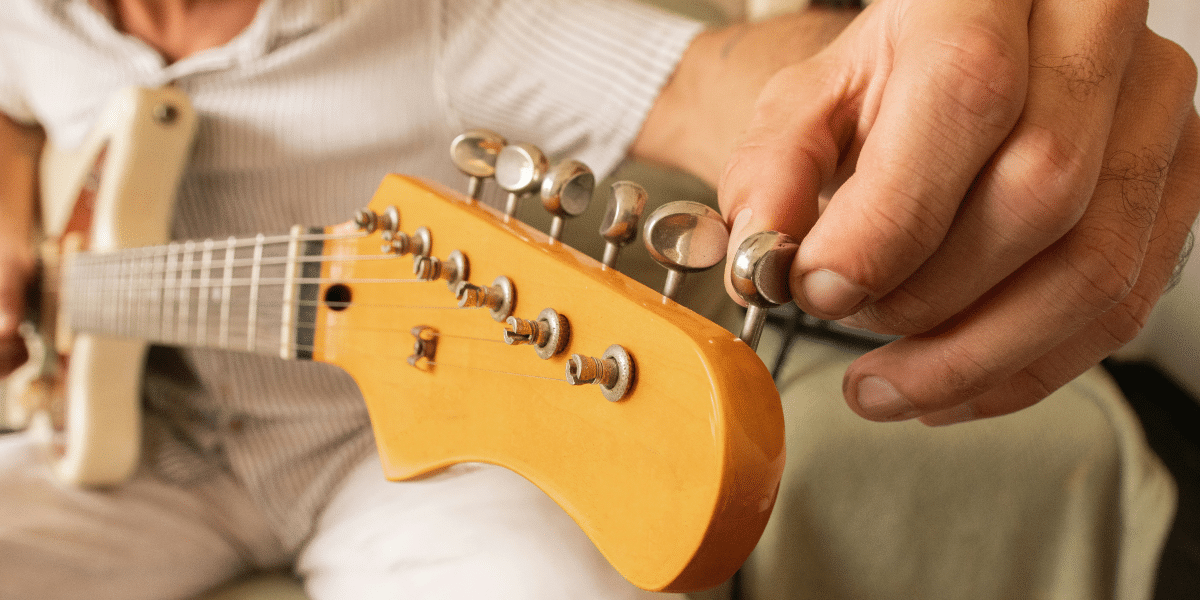

Understanding Basic Chord Theory: Major, Minor, and Beyond

What Are Chords?

Hey there, fellow music enthusiasts! So, you’ve picked up a guitar or sat down at a piano, and now you’re ready to dive into the wonderful world of chords. But where do you start? Don’t worry, we’ve got you covered. In this article, we’re going to break down the basics of chord theory in a way that’s easy to understand, covering everything from major and minor chords to more advanced concepts. Let’s get started!

First things first – what exactly are chords? Simply put, chords are a group of three or more notes played together to create harmony. They form the backbone of most songs, providing the harmonic foundation that supports the melody and rhythm. Chords are made up of individual notes, which are typically played simultaneously to produce a pleasing sound.

Major Chords: Happy and Bright

Now, let’s talk about major chords – arguably the happiest and brightest of all chord types. Major chords are made up of three notes: the root, the major third, and the perfect fifth. For example, in the key of C major, the C major chord consists of the notes C, E, and G. Major chords have a bright and uplifting sound, making them perfect for conveying feelings of joy and optimism.

Minor Chords: Sad and Melancholy

On the flip side, we have minor chords – the yin to major chords’ yang. Minor chords are also made up of three notes: the root, the minor third, and the perfect fifth. However, the minor third is a semitone lower than the major third, giving minor chords a darker and more melancholy sound. For example, in the key of A minor, the A minor chord consists of the notes A, C, and E. Minor chords are often used to convey feelings of sadness, longing, or introspection.

While major and minor chords are the building blocks of most songs, there are plenty of other chord types to explore. For example, there are diminished chords, augmented chords, seventh chords, and more. Each of these chord types has its own unique sound and function in music, adding depth and complexity to chord progressions. Experimenting with these different chord types can open up a world of possibilities in your music-making journey.

How to Build Chords

So, how do you go about building chords? It’s actually quite simple. To build a chord, you start with the root note – this is the note that gives the chord its name. For example, in the C major chord, the root note is C. Then, you add the other notes of the chord based on the chord’s formula. For major chords, this formula is root, major third, perfect fifth. For minor chords, it’s root, minor third, perfect fifth. Once you’ve got the notes of the chord, you play them together, and voila – you’ve got yourself a chord!

Putting It All Together

So, to sum it all up, chords are groups of three or more notes played together to create harmony. Major chords are bright and happy, while minor chords are sad and melancholy. There are also other chord types, like diminished and augmented chords, that add depth and complexity to chord progressions. And finally, building chords is as simple as starting with the root note and adding the other notes based on the chord’s formula. Armed with this knowledge, you’ll be well on your way to mastering the art of chord theory and creating beautiful music of your own. Happy playing!

Enhancing Performance: The Impact of Upbeat Music on Physical Activity

Understanding the Role of Music in Physical Performance

Upbeat music has a remarkable ability to enhance physical performance by increasing arousal and motivation. Athletes and exercisers frequently turn to high-energy music to boost their endurance and focus. The rhythmic elements of music can also help synchronize movements, making physical activities feel less strenuous. This article explores how upbeat music can enhance performance and provides tips for incorporating music into your exercise routine.

Upbeat music refers to fast-paced, energetic tunes that have a positive and stimulating effect on the listener. This type of music is characterized by a strong, steady beat and lively tempo, which can significantly impact physical performance.

How Upbeat Music Enhances Physical Performance

Upbeat music enhances physical performance in several ways:

  1. Increases Arousal and Motivation: Listening to upbeat music can increase arousal levels, making you feel more alert and motivated. This heightened state of arousal can improve focus and concentration during physical activities.
  2. Boosts Endurance: High-energy music can distract you from feelings of fatigue and discomfort, allowing you to push through strenuous workouts and improve your endurance.
  3. Synchronizes Movements: The rhythmic elements of music can help synchronize your movements, making exercises feel more fluid and less strenuous. This synchronization can enhance coordination and efficiency in various physical activities.

The Science Behind Music and Physical Performance

Research has shown that music can have a profound impact on physical performance. Here are some key findings:

1. Psychological Effects

Music has the power to influence emotions and mood. Upbeat music can elevate your mood, reduce stress, and increase feelings of happiness and excitement. These positive emotions can boost your motivation to exercise and improve overall performance.

  • Mood Enhancement: Studies have shown that music can elevate mood and increase positive emotions, leading to improved performance during exercise.
  • Stress Reduction: Listening to music can reduce stress and anxiety, creating a more conducive environment for physical activity.

2. Physiological Effects

Music can also affect physiological responses, such as heart rate and respiration. Upbeat music with a fast tempo can increase heart rate and respiration, preparing your body for physical exertion.

  • Increased Heart Rate: Fast-paced music can increase heart rate, enhancing cardiovascular performance and endurance.
  • Enhanced Respiration: Music can regulate breathing patterns, helping you maintain steady respiration during exercise.

Tips for Incorporating Upbeat Music into Your Exercise Routine

To maximize the benefits of upbeat music during physical activity, consider the following tips:

1. Create a High-Energy Playlist

Compile a playlist of high-energy songs that match the tempo and intensity of your workout. Choose songs with a fast tempo (120-140 beats per minute) to keep your energy levels high.

  • Personal Preferences: Select songs that you enjoy and that motivate you to move.
  • Variety: Include a mix of genres and artists to keep your playlist fresh and exciting.

2. Match Music to Exercise Intensity

Different types of exercises require different levels of intensity. Match the tempo of the music to the intensity of your workout to optimize performance.

  • Warm-Up: Start with moderate-tempo songs to gradually increase your heart rate.
  • High-Intensity: Use fast-paced, energetic music for high-intensity workouts to maintain high energy levels.
  • Cool-Down: Switch to slower, calming music during cool-down to help your body relax and recover.

3. Use Music for Motivation and Focus

Use music strategically to boost motivation and focus during challenging parts of your workout.

  • Motivational Lyrics: Choose songs with motivational lyrics that inspire and uplift you.
  • Instrumental Tracks: Use instrumental tracks to minimize distractions and help you focus on your movements.

The Benefits of Upbeat Music Beyond Exercise

The benefits of upbeat music extend beyond physical performance. Here are some additional advantages:

1. Improved Mental Health

Listening to music can improve mental health by reducing stress, anxiety, and depression. The positive emotions elicited by upbeat music can enhance overall well-being.

  • Stress Relief: Music can help alleviate stress by promoting relaxation and positive emotions.
  • Mood Improvement: Upbeat music can boost mood and reduce symptoms of depression and anxiety.

2. Enhanced Productivity

Upbeat music can also enhance productivity and focus in non-physical tasks. Listening to energetic music while working or studying can improve concentration and efficiency.

  • Increased Focus: Music can help you stay focused on tasks by minimizing distractions.
  • Boosted Productivity: Energetic music can increase motivation and productivity in various activities.

Upbeat music is a powerful tool for enhancing physical performance by increasing arousal, motivation, and endurance. By synchronizing movements and improving mood, high-energy music can make physical activities feel less strenuous and more enjoyable. Incorporating upbeat music into your exercise routine can lead to significant improvements in performance and overall well-being. Start by creating a high-energy playlist, matching music to exercise intensity, and using music strategically for motivation and focus. Embrace the power of music and experience the positive impact it can have on your physical and mental performance.

The Enduring Influence of Legendary Film Composers

Crafting Memorable Melodies: The Artistry of Film Composers

Hey movie buffs and music enthusiasts! Ever find yourself swept away by the soaring melodies of a film score? Well, you have iconic film composers to thank for those unforgettable moments. From John Williams to Ennio Morricone, these legendary composers have left an indelible mark on the world of cinema, shaping the way we experience and remember our favorite movies. So let’s dive into the legacy of these iconic figures and explore how their music continues to inspire and enchant audiences around the globe.

Film composers are the musical maestros behind the scenes, responsible for crafting the evocative scores that bring movies to life. Their job is to capture the emotions, themes, and nuances of a film through music, enhancing the storytelling and immersing viewers in the cinematic experience. Whether it’s a sweeping orchestral arrangement, a haunting piano melody, or a pulsating electronic beat, film composers have the creative vision and technical skill to evoke a wide range of emotions and transport audiences to different worlds.

Setting the Mood: Enhancing the Cinematic Experience

One of the most important roles of a film composer is to set the mood and tone of a film through their music. Whether it’s building tension in a suspenseful thriller, tugging at heartstrings in a romantic drama, or infusing energy into an action-packed adventure, composers use their music to heighten the emotions and enhance the overall impact of the story. From the ominous themes of “Jaws” to the iconic fanfare of “Star Wars,” the music composed by legendary figures like John Williams has become synonymous with the films themselves, shaping the way we perceive and remember these cinematic classics.

Film composers often work closely with filmmakers and directors to bring their artistic vision to life. By understanding the themes, characters, and narrative arcs of a film, composers are able to tailor their music to complement and enhance the on-screen action. Whether it’s composing original scores that reflect the mood and atmosphere of a scene or selecting existing pieces of music to underscore key moments, composers collaborate with filmmakers to create a cohesive auditory experience that resonates with audiences long after the credits have rolled.

Pushing the Boundaries of Creativity: Innovation in Film Scoring

Throughout history, legendary film composers have pushed the boundaries of creativity and innovation in film scoring, experimenting with new techniques, instruments, and genres to create unique and memorable soundtracks. From Bernard Herrmann’s pioneering use of electronic instruments in “Forbidden Planet” to Hans Zimmer’s innovative fusion of orchestral and electronic music in “Inception,” composers have constantly reinvented the art of film scoring, pushing the medium forward and inspiring future generations of musicians and filmmakers.

Perhaps the most remarkable aspect of legendary film composers is the enduring legacy of their music. Decades after their films were released, the music composed by figures like Ennio Morricone, Jerry Goldsmith, and Nino Rota continues to captivate and inspire audiences around the world. Whether it’s the haunting whistle of “The Good, the Bad and the Ugly” or the ethereal beauty of “Schindler’s List,” the music of these iconic composers transcends time and language, resonating with listeners across generations and cultures.

The Enduring Influence of Film Composers

The legacy of iconic film composers is a testament to the power of music to enhance, elevate, and enrich the cinematic experience. From crafting memorable melodies to setting the mood and collaborating with filmmakers, these legendary figures have shaped the way we experience and remember our favorite movies. Their music continues to inspire and enchant audiences around the globe, leaving an indelible mark on the world of cinema and reminding us of the timeless power of music to move, uplift, and transport us to new realms of imagination and emotion. So next time you find yourself lost in the magic of a film score, take a moment to appreciate the genius of the composers behind the music – because without them, the movies just wouldn’t be the same.

The Magic of Coachella Festival in California’s Desert

What’s the Festival All About?

Coachella Festival is more than just a music and arts gathering—it’s an iconic celebration that unfolds in the sunny desert of Indio, California, USA. This annual event has become synonymous with diverse beats, renowned artists, and a unique atmosphere that captivates attendees from around the globe.

Coachella Festival is a colossal celebration of music and art that takes place in the vast and sunny desert of California. It’s a cultural phenomenon where people come together for a joyous experience, creating memories that last a lifetime.

The Cool Things You’ll See

Coachella is a music lover’s dream, offering a mix of genres that cater to every taste. From mainstream headliners to emerging artists, the festival boasts a diverse lineup that spans across various musical landscapes. Attendees can expect to dance to the beats of pop, rock, indie, electronic, and more, creating a harmonious symphony of sounds.

The desert setting adds a unique flavor to Coachella, making it stand out from traditional festivals. The warm sun, open skies, and sandy landscapes create an immersive experience. Festival-goers not only enjoy the music but also the natural beauty that surrounds them, turning Coachella into a multi-sensory adventure.

Where and When?

Coachella unfolds in the city of Indio, located in the beautiful state of California. This strategic location provides a picturesque backdrop for the festivities, with the desert’s warmth contributing to the overall enjoyment of the event. People travel from far and wide to be part of this vibrant celebration.

One of Coachella’s biggest draws is its ability to attract top-tier artists. Renowned musicians and bands grace the stages, creating an electrifying atmosphere. Attendees have the chance to witness their favorite performers live, adding a layer of excitement to the overall experience.

While music takes center stage, Coachella is not solely about the tunes. The festival showcases a myriad of art forms, including sculptures, paintings, and installations. The artistic element adds depth to the experience, transforming Coachella into a visual and auditory feast.

How to Join the Fun

Attending Coachella requires tickets, which can be purchased online. As the festival is immensely popular, securing tickets well in advance is essential. Once you have your passes, you’re on your way to immersing yourself in the Coachella experience.

Being in the desert means preparing for the elements. Festival-goers are encouraged to plan their trip carefully, ensuring they have essentials like sunscreen, comfortable clothing, and perhaps a stylish hat. Planning for the desert conditions ensures a more enjoyable and hassle-free experience.

A Gathering of Like-Minded Souls

Coachella is more than an event; it’s a community gathering. People from different walks of life come together to share in the joy of music and art. The communal spirit adds a special touch to Coachella, creating a sense of togetherness among attendees.

Coachella has also become synonymous with festival fashion. Attendees often showcase their unique style, blending comfort with creativity. From bohemian dresses to flower crowns, the fashion at Coachella is a vibrant expression of individuality.

Coachella Festival is a mesmerizing celebration that transcends the boundaries of a typical music and arts event. Its desert setting, diverse musical lineup, and artistic offerings make it a one-of-a-kind experience. Whether you’re dancing to your favorite band, exploring interactive art installations, or simply soaking in the desert sun, Coachella leaves an indelible mark on all who venture into its vibrant embrace. It’s not just a festival; it’s a cultural phenomenon that continues to capture the hearts of music and art enthusiasts worldwide. So, if you’re ready for a magical desert adventure, Coachella awaits, promising an unforgettable journey into the heart of music and creativity.

Essential Performance Skills Every Musician Should Master

Performing music is about more than just technical precision. While hitting the right notes is important, truly engaging with an audience requires a combination of skills that elevate a performance from good to memorable. Musicians need to develop more than just their musical talent—they must also master performance skills like stage presence and collaboration to truly connect with their audience and fellow artists. But what exactly do these skills entail, and how can they enhance your music career?

What Role Does Stage Presence Play in a Performance?

At the heart of any memorable live performance is strong stage presence. Stage presence isn’t about being the loudest or most animated person on stage; rather, it’s about how a musician communicates with the audience through body language, facial expressions, and energy. Musicians with great stage presence can captivate an audience, making them feel connected to the music and the emotions being conveyed.

Developing stage presence requires practice and awareness. Some musicians are naturally expressive, while others need to work on becoming more comfortable in front of an audience. One way to improve this skill is by paying attention to non-verbal communication. How you move on stage, how you look at the audience, and even your posture can influence how the audience experiences the performance.

Stage presence also involves emotional expression. Music is about storytelling, and the more a musician can convey the emotions behind the music, the more powerful the performance becomes. Whether it’s through subtle facial expressions or more dynamic gestures, a musician who can translate the feelings of a piece into their physicality will leave a lasting impression on the audience. Watching performers who are masters of stage presence—whether they are singers, instrumentalists, or even dancers—can be a helpful way to learn how to embody the emotion of a performance.

For musicians who may feel shy or uncertain on stage, one helpful approach is to start by engaging with the audience in small ways, such as making eye contact or introducing songs. Over time, these interactions can build confidence, making it easier to let your personality shine through on stage. In the end, a musician with strong stage presence invites the audience into their world, making the performance feel personal and engaging.

How Can Collaboration Enhance Your Performance Skills?

Music is often a collaborative art form, and working with other musicians can be a transformative experience. Whether you’re playing in a band, an orchestra, or collaborating with another artist, working together teaches musicians how to listen, adapt, and communicate in real-time. These skills not only improve your ability to perform but also help you grow as an artist.

One of the most valuable lessons musicians can learn from collaboration is how to be flexible. Every musician brings their own style, rhythm, and interpretation to a piece of music. Being able to adjust to the timing and dynamics of others helps musicians become more versatile performers. For instance, a pianist playing with a singer needs to understand the nuances of the vocalist’s phrasing, while the singer might adapt their tempo to match the pianist’s playing. This back-and-forth exchange creates a more cohesive and powerful performance.

Collaboration also teaches musicians the importance of musical conversation. In any ensemble, musicians are constantly responding to each other, whether through harmonizing, taking turns leading, or complementing each other’s playing. Learning how to listen actively and respond musically improves timing, creativity, and overall performance. Musicians who frequently collaborate develop a better sense of timing and feel more comfortable improvising, as they learn to anticipate and respond to the musical ideas of others.

For solo artists, collaboration can also provide fresh inspiration and new ideas. Working with others can push you out of your comfort zone, helping you explore new genres, styles, or approaches to performance. By collaborating with musicians who have different strengths, you expand your musical knowledge and enhance your overall performance skills.

Can Performance Skills Improve Your Musical Career?

Mastering performance skills like stage presence and collaboration doesn’t just improve your live shows—it can also open up new opportunities in your musical career. Musicians who excel in these areas are more likely to connect with audiences, build a fanbase, and stand out in a competitive industry.

Stage presence, in particular, can make a significant difference in how a musician is perceived by both fans and industry professionals. A musician who can command attention on stage has a better chance of leaving a lasting impression, which can lead to more opportunities for gigs, festivals, and collaborations. Audiences are drawn to performers who are not only skilled but also engaging, and a strong stage presence can turn a casual listener into a dedicated fan.

Collaboration, on the other hand, opens doors to new projects and partnerships. Musicians who collaborate with others often find that they’re able to expand their network and reach different audiences. Whether it’s performing with a well-known artist or collaborating on a new album, the connections built through collaboration can lead to career-defining opportunities. It also allows musicians to experiment with different sounds and genres, broadening their artistic horizons and keeping their music fresh and innovative.

Performance skills like stage presence and collaboration are essential for any musician looking to take their career to the next level. These skills go beyond simply playing the notes—they’re about engaging with audiences and other musicians on a deeper level. By developing stage presence, musicians can connect emotionally with their listeners, while collaboration helps them grow artistically and opens doors to new opportunities. For musicians at any stage of their career, mastering these performance skills is key to creating impactful, memorable music that resonates long after the performance ends.

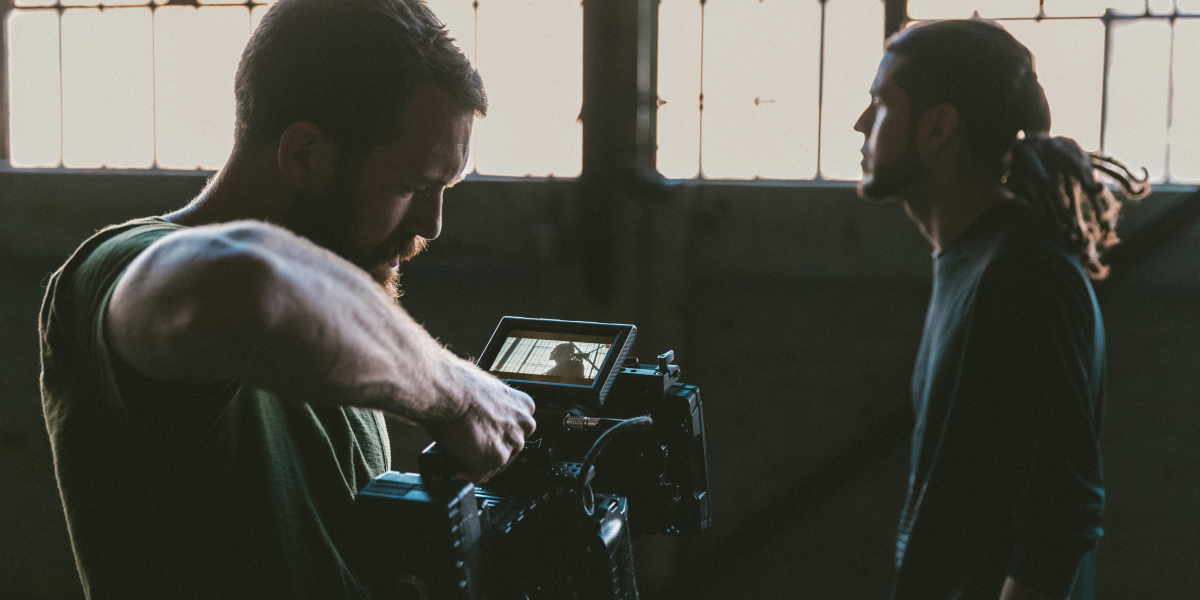
The Importance of Storytelling in Videography

Storytelling is at the heart of effective videography. It transforms simple visuals into engaging and memorable experiences that resonate with audiences. Whether you are creating a short film, a commercial, or a corporate video, incorporating storytelling can elevate your work and make a lasting impact. In this article, we will highlight the role of storytelling in videography, share tips for crafting compelling narratives, and provide examples of powerful story-driven videos.

Why is Storytelling Crucial in Videography?

Storytelling is crucial in videography because it gives meaning and context to the visuals, creating a deeper connection with the audience. A well-told story can evoke emotions, convey messages, and inspire action. Without a compelling narrative, even the most visually stunning videos can feel flat and forgettable.

In the realm of marketing and advertising, storytelling helps brands connect with consumers on a personal level. By sharing stories that reflect their values, challenges, and triumphs, brands can build trust and loyalty. For instance, a commercial that tells a heartfelt story about overcoming adversity is more likely to resonate with viewers than one that simply lists product features.

In documentary filmmaking, storytelling brings real-life events and issues to life, making them more relatable and impactful. By following the journeys of individuals or communities, documentaries can highlight important social issues and drive change. The personal stories within these films help viewers understand complex topics and empathize with those involved.

Storytelling also plays a vital role in educational and instructional videos. By presenting information in a narrative format, these videos can make learning more engaging and memorable. Stories help to contextualize facts and concepts, making them easier to understand and retain. For example, a training video with real-world scenarios and characters can help employees better grasp and apply new skills.

How Can You Craft Compelling Narratives in Videography?

Crafting compelling narratives in videography involves several key elements. First and foremost, you need a clear and engaging story. This begins with identifying your message or theme. What do you want to convey to your audience? Whether it’s a brand message, a social issue, or an educational topic, having a clear focus will guide your storytelling process.

Next, create relatable characters. Characters are the heart of your story, and they help viewers connect with the narrative on an emotional level. Whether they are real people in a documentary or fictional characters in a short film, they should be well-developed and relatable. Give them clear motivations, challenges, and growth throughout the story.

Structure your story with a beginning, middle, and end. The beginning should introduce your characters and setting, the middle should present a conflict or challenge, and the end should provide a resolution. This classic narrative structure helps maintain viewer interest and provides a satisfying conclusion.

Visuals and sound play a crucial role in storytelling. Use visuals to show rather than tell your story. Cinematography, editing, and special effects should enhance the narrative, not distract from it. Sound, including dialogue, music, and sound effects, should complement the visuals and help convey the story’s mood and emotion. For instance, a well-chosen soundtrack can elevate a scene’s emotional impact and make the story more memorable.

Pacing is another important element. A well-paced story keeps the audience engaged from start to finish. This involves balancing slower, reflective moments with more dynamic, action-packed scenes. Avoid dragging out scenes or rushing through key plot points. Instead, maintain a rhythm that suits the story and keeps viewers invested.

What Are Some Examples of Powerful Story-Driven Videos?

There are countless examples of powerful story-driven videos that demonstrate the importance of storytelling in videography. One notable example is the commercial “The Man Your Man Could Smell Like” by Old Spice. This advertisement tells a humorous and engaging story that not only showcases the product but also entertains the audience. The character-driven narrative, combined with clever visuals and dialogue, made it a memorable and highly effective marketing campaign.

Another example is the short film “Pip” by Southeastern Guide Dogs. This animated short tells the story of a small dog named Pip who overcomes various challenges to become a guide dog. The film’s emotional narrative and relatable character resonate with viewers, making it a powerful tool for raising awareness and support for the organization.

In the realm of documentaries, “13th” by Ava DuVernay is a compelling example. This documentary explores the history of racial inequality in the United States, focusing on the nation’s prisons. Through powerful storytelling, the film connects historical events to contemporary issues, making a strong case for criminal justice reform. The personal stories and expert insights presented in the film make the complex topic accessible and impactful.

Strong storytelling can also benefit educational videos. The YouTube channel “CrashCourse” by John and Hank Green is a prime example. Each video presents educational content through engaging narratives, characters, and visuals. This approach makes learning fun and memorable, helping viewers better understand and retain information.

Storytelling is a vital component of successful videography. It enhances the emotional impact, engagement, and effectiveness of videos, whether they are commercials, documentaries, or educational content. By crafting clear, relatable, and well-structured narratives, videographers can create memorable and impactful stories that resonate with their audiences. As these examples demonstrate, the power of storytelling can elevate any video project, making it a crucial skill for videographers to master.

The Rise of Jazz/Soul/Electronica Hybrids: A Musical Revolution

What Makes Jazz/Soul/Electronica Hybrids Unique?

The blending of jazz, soul, and electronica is creating a fresh and exciting trend in the music world. Jazz/soul/electronica hybrids are captivating audiences with their unique sounds, combining the improvisational elements of jazz, the emotional depth of soul, and the modern beats of electronica. This fusion of styles brings a new dimension to music, appealing to a diverse range of listeners and pushing the boundaries of traditional genres.

What makes these hybrids unique is the way they merge different musical elements seamlessly. Jazz brings its complex harmonies and improvisational flair, while soul adds its rich, expressive vocals and heartfelt lyrics. Electronica, on the other hand, introduces innovative beats and electronic textures, creating a sound that is both nostalgic and futuristic. This blend results in music that is not only technically impressive but also emotionally engaging.

Artists experimenting with jazz/soul/electronica hybrids often emphasize live instrumentation alongside electronic production. This combination allows for dynamic performances that can change and evolve with each show, offering audiences a unique experience every time. The spontaneity of jazz, the passion of soul, and the energy of electronica come together to create performances that are both mesmerizing and unforgettable.

How Are Artists Experimenting with Jazz/Soul/Electronica Hybrids?

Artists are continuously exploring new ways to blend jazz, soul, and electronica, resulting in innovative and captivating music. Many artists begin by taking the foundational elements of jazz, such as its chord progressions and improvisational techniques, and layering them with soulful melodies and electronic beats. This approach not only honors the traditions of each genre but also creates a modern, fresh sound.

Some artists use traditional jazz instruments like saxophones, trumpets, and double basses, and combine them with electronic synths and drum machines. This blend of acoustic and electronic elements produces a rich, textured sound that appeals to both jazz purists and electronic music fans. The result is music that feels organic and innovative, bridging the gap between different musical worlds.

Collaboration is another key aspect of this trend. Jazz/soul/electronica hybrids often involve artists from different backgrounds coming together to create something new. For example, a jazz pianist might team up with a soul singer and an electronic music producer to craft a track that highlights the strengths of each genre. These collaborations lead to exciting and unexpected musical outcomes, pushing the boundaries of what is possible in music.

In live performances, artists experimenting with these hybrids often use technology to enhance their shows. Loop stations, digital effects, and live sampling allow musicians to create complex, layered sounds in real-time. This technology enables artists to replicate the rich, studio-produced sound of their recordings while adding the spontaneity and energy of a live performance.

Why Are Jazz/Soul/Electronica Hybrids Resonating with Audiences?

Jazz/soul/electronica hybrids are resonating with audiences for several reasons. Firstly, the combination of genres appeals to a wide range of musical tastes. Fans of jazz appreciate the sophisticated harmonies and improvisation, soul enthusiasts are drawn to the emotional depth and powerful vocals, and electronica lovers enjoy the modern beats and innovative production techniques. This fusion creates a versatile sound that can attract listeners from different musical backgrounds.

The emotional impact of these hybrids is another reason for their popularity. The soulful elements of the music, combined with the expressive nature of jazz and the atmospheric qualities of electronica, create an emotional depth that resonates deeply with listeners. This music can evoke a wide range of emotions, from joy and excitement to introspection and melancholy, making it a powerful and engaging experience.

Live performances of jazz/soul/electronica hybrids are particularly popular because of their dynamic and immersive nature. The fusion of live instruments and electronic production creates a rich, multi-layered sound that captivates audiences. The improvisational aspects of jazz ensure that no two performances are the same, providing a unique experience every time. This spontaneity and energy make live shows exciting and memorable, drawing fans back again and again.

The rise of jazz/soul/electronica hybrids also reflects broader trends in the music industry, where genre boundaries are becoming increasingly fluid. Listeners today are more open to exploring different types of music and appreciate artists who push the boundaries and experiment with new sounds. This openness to diverse musical influences has helped jazz/soul/electronica hybrids gain traction and find a dedicated audience.

The blending of jazz, soul, and electronica is creating a vibrant and exciting trend in music. Jazz/soul/electronica hybrids are unique in their ability to combine the best elements of each genre, resulting in music that is both innovative and emotionally engaging. Artists are experimenting with these hybrids in creative ways, using traditional instruments, electronic production, and collaborative efforts to push the boundaries of music. This fusion is resonating with audiences, who are drawn to its versatility, emotional depth, and dynamic live performances. As genre boundaries continue to blur, the popularity of jazz/soul/electronica hybrids is likely to grow, bringing new and exciting sounds to the music world.

Beyond the Basics: Exploring Specialized Violin Techniques

Imagine a violinist reaching for a note that just isn’t there on a standard violin. Suddenly, they pull off a magical trick – they retune a string, and that elusive note appears! This isn’t movie magic, it’s the power of scordatura. It opens up a whole new world of sonic possibilities, from eerie, open-string passages to technical feats made easier with the adjusted string tensions. Composers throughout history, from the Baroque era’s Heinrich Biber to the legendary Paganini, have used scordatura to create unique and unforgettable music. It’s a reminder that the violin is more than just its standard tuning – it’s an instrument with a hidden potential waiting to be explored.

Scordatura: The Art of Alternate Tunings

Chances are, your violin’s strings are tuned to G, D, A, and E. Scordatura is the practice of intentionally changing those tunings to create unusual sounds and tonal effects.

Think of scordatura like a special tool in your violin toolbox. Imagine playing a piece with eerie, open-string chords that would be impossible with standard tuning, or tackling passages that suddenly become much easier thanks to the altered string tensions. It’s a technique with a rich history – composers from Biber in the 17th century to Paganini and beyond used it to create unique and captivating music.

Baroque Ornamentation: A Touch of Elegance

The Baroque period (roughly 1600-1750) was a golden age for violin music. If you love composers like Bach, Vivaldi, or Handel, mastering Baroque ornamentation is key. Ornamentation refers to all those little flourishes you see dotting the music – trills, turns, mordents, and more.

Learning these ornaments is the difference between simply playing the notes and truly bringing the music of the Baroque era to life. These embellishments add elegance, rhythmic energy, and expressive depth. It’s like learning a secret language of music that lets you converse with the great composers of the past. A music historian once commented, “Baroque ornamentation is like the spice of music – a little goes a long way, but it adds so much flavor!”

Music doesn’t stand still, and neither do violin techniques! Contemporary composers are constantly finding new ways to explore the sonic possibilities of the instrument. Here’s where things get really interesting:

  • Extended techniques: These go beyond traditional bowing and fingering. You might pluck the strings like a guitar, tap on the body for percussive effects, play eerily high harmonics, and more.
  • Microtones: These are the notes between the notes. Instead of the usual semitones (think the distance between C and C#), microtones divide that space even further.
  • Electronics: Some contemporary works have you amplify your violin, or even manipulate your sound with effects pedals for truly otherworldly music.

Exploring contemporary techniques is an adventure for both performer and listener. It’s about breaking boundaries, expanding what we think of as “violin music,” and taking those four strings to places they’ve never been before.

Where to Start

Learning these repertoire-specific techniques is an exciting step in your violin journey. Here’s how to get started:

  • Find a teacher: A knowledgeable teacher is invaluable for guiding you through new techniques and repertoire.
  • Dive into the repertoire: Start exploring pieces that use the techniques that interest you.
  • Specific resources: Look for books or online tutorials specifically about scordatura, Baroque ornamentation, or contemporary violin techniques.
  • Listen widely: Seek out recordings of music that features the techniques you’re learning.

Important Note: Some specialized techniques (particularly contemporary ones) can be hard on your instrument. Always consult with a teacher, and maybe even a luthier, before you start experimenting, to make sure your violin is up to the task.

Learning these specialized techniques isn’t a sprint, it’s a marathon. It takes time, patience, and a whole lot of determination to master those Baroque ornaments, decipher contemporary extended techniques, or retrain your fingers for unusual scordatura pieces. But trust me, the payoff is huge!

It’s not just about becoming a more technically proficient violinist (though that’s certainly a bonus). Each one of these techniques is like a key that unlocks a new treasure chest of musical expression. Suddenly you can bring a Baroque composition to life with all its elegance and flair, create soundscapes that feel otherworldly, or take the audience on a sonic adventure that challenges everything they thought they knew about the violin.

A musician once said, “The beautiful thing about learning is nobody can take it away from you.” The more techniques you master, the broader your musical palette becomes. The violin is an endlessly versatile instrument, and as you grow as a player, that journey of discovery never truly ends.

Drum Rudiments: The Building Blocks of Your Drumming Skills

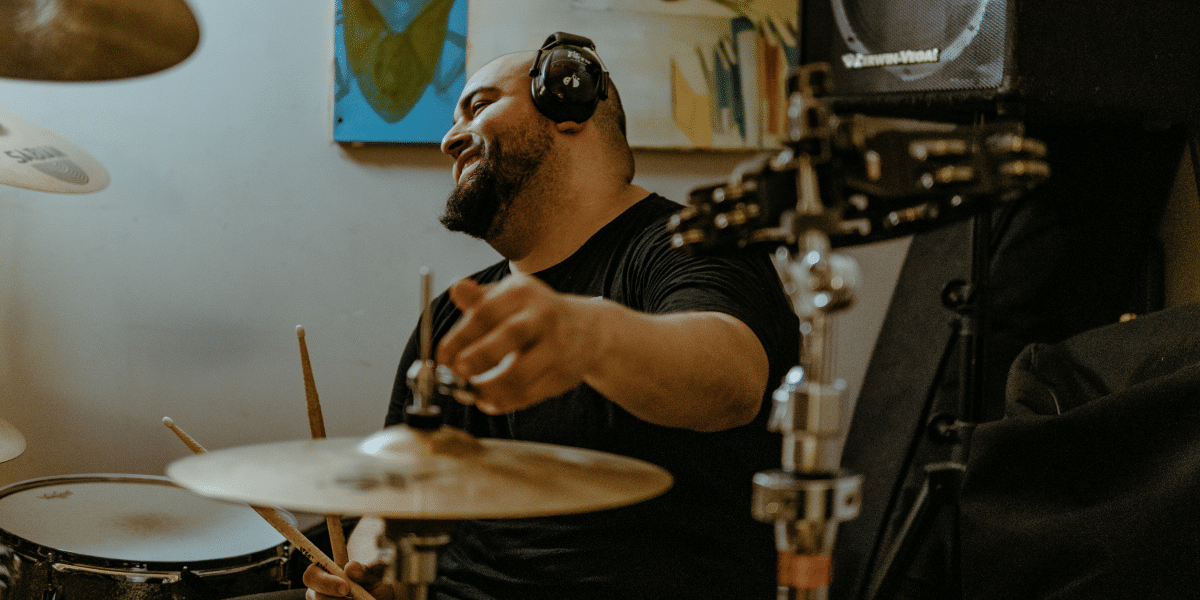
Think of drum rudiments as the alphabet of drumming. They’re basic sticking patterns that form the foundation of complex rhythms, fills, and solos. Whether you dream of rocking out in a band or mastering jazz drumming, getting a handle on essential drum rudiments will boost your skills, coordination, and creativity behind the kit.

Rudiments originated centuries ago in military drumming, where they were used for communication and drill signals. Thankfully, drumming is a lot more fun these days! Modern drummers have adapted 40 standard rudiments into tools for developing technique, speed, and smooth transitions within their playing.

The Must-Know Rudiments Every Drummer Needs

If you’re just starting, focus on mastering these core rudiments first:

  • Single Stroke Roll: The most basic rudiment – simple alternating strokes between your left and right hands (RLRL). Focus on evenness and building speed while keeping it smooth.
  • Double Stroke Roll: The big brother of the single stroke, this introduces two hits with each hand (RRLL). It’s essential for faster rolls and fills.
  • Paradiddle: A super useful pattern that helps with hand transitions (RLRR LRLL). Paradiddles form the basis for countless grooves and variations.

Once you’ve got a good feel for those, expand your repertoire with these:

  • Flam: Adds a subtle accent before the main hit, creating a dynamic effect (lR or rL). Flams add punch to your fills.
  • Drag: Similar to a flam but played even softer, dragging into a main accented note. Great for adding texture to grooves.

Why Bother with Drum Rudiments?

Here’s why practicing rudiments is totally worth it:

  • Improved Technique: Rudiments force you to focus on evenness, clean strokes, and switching between hands seamlessly. This builds good habits for all aspects of your drumming.
  • Increased Dexterity and Speed: Mastering those tricky hand patterns in rudiments translates to smoother transitions when playing songs, leading to faster fills and better coordination.
  • Foundation for Fills and Solos: Many famous drum fills are simply variations on basic rudiments strung together in creative ways. Understanding the core structures helps unlock a ton of possibilities.

“Think of learning rudiments as building muscle memory,” explains a veteran drum instructor. “Once your hands know the patterns, you can get creative and apply them to the entire kit.”

The key to getting good with rudiments is consistent practice. Start slow and focus on precision rather than speed. A metronome is your best friend, helping you keep an even tempo. Dedicate even 15 minutes daily to practicing, and you’ll see steady improvement.

Here’s where you can go to get your rudiment fix:

  • Drum Teaching Books and Websites: Many resources offer clear explanations and practice routines for various rudiments.
  • Online Videos: Tons of free lessons exist on YouTube demonstrating proper technique and providing exercises to work on.
  • A Drum Teacher: A dedicated teacher can personalize instruction, spot areas for improvement, and introduce you to new rudiments at the right pace.

Rudiments Aren’t Boring. They’re Your Drumming Superpower!

At first glance, playing the same patterns over and over might seem a bit…dull. But here’s the secret: rudiments are a means to an end, not the end goal in themselves. Consider the following:

  • Unlocking Your Inner Groove Machine: Sure, a double stroke roll on its own isn’t a mind-blowing solo. But imagine weaving that roll smoothly into a funky drum beat – suddenly those hours of practice pay off. Rudiments help you internalize rhythmic patterns, so you can pull them out with ease while improvising or playing a song.
  • Breaking Free from Stiffness: Mastering rudiments trains your hands to work independently and in fluid combinations. Ever feel like your fills sound clunky or robotic? Rudiment practice breaks you out of those clumsy habits, letting your limbs move more naturally as your creativity flows.
  • The Sound of Confidence: There’s a distinct sound to a drummer who has put in the rudiment work. Their playing has a polished feel, with clean transitions, dynamic control, and the ability to throw in effortless fills that serve the song, not just show off.
  • Building Your Vocabulary: Think of each rudiment as a new word. Once you have a bunch under your belt, you can combine them into complex ‘sentences,’ which translates to intricate fills, solos, and the ability to add spice to even the simplest of grooves.

It’s important to remember, the goal isn’t simply to learn all the rudiments. It’s about applying them to your actual drumming. Once you’ve got a rudiment down:

  • Play it on the snare drum, then move it around the entire kit: See how different toms and cymbals change the feel of the pattern.
  • Experiment with Accents: Shift the accented notes within a rudiment for countless variations.
  • Get Creative!: Try combining short bursts of your favorite rudiments into simple fills for drum beats.

The more you play with rudiments, the more you’ll realize they’re not a chore. They’re a toolbox that keeps expanding, giving you more power to express yourself behind the drums.