Music Observer

The Healing Power of Music: How Music Can Help Reduce Stress and Anxiety


Understanding Stress and Anxiety

Music has been a source of comfort and solace for centuries, with its ability to evoke emotions and soothe the soul. In recent years, research has shown that music can also have a profound impact on mental health, particularly in reducing stress and anxiety. In this article, we’ll explore how music can alleviate stress and anxiety and offer practical tips for incorporating music into your self-care routine.

Before diving into how music can help, it’s essential to understand what stress and anxiety are. Stress is a natural response to challenging situations, while anxiety is a persistent feeling of worry or fear that can interfere with daily life. Both stress and anxiety can have detrimental effects on mental and physical health if left unchecked.

The Therapeutic Effects of Music

Music has unique therapeutic properties that can help alleviate stress and anxiety in several ways:

  1. Relaxation Response: Listening to calming music can trigger the relaxation response in the body, reducing heart rate, blood pressure, and muscle tension.
  2. Distraction: Engaging with music can provide a welcome distraction from stressful thoughts and worries, allowing individuals to focus on the present moment.
  3. Emotional Regulation: Music has the power to evoke emotions and can help individuals process and express difficult feelings, such as sadness or anger.
  4. Mindfulness: Music can serve as a tool for practicing mindfulness, encouraging individuals to pay attention to the sensations and emotions they experience while listening.
  5. Social Connection: Sharing music with others or participating in group music-making activities can foster a sense of connection and belonging, which can help reduce feelings of isolation and loneliness.

Practical Tips for Using Music to Reduce Stress and Anxiety

Incorporating music into your daily routine can be an effective way to manage stress and anxiety. Here are some practical tips to help you harness the healing power of music:

  1. Create a Relaxing Playlist: Compile a playlist of your favorite calming songs or instrumental music that you find soothing.
  2. Practice Deep Breathing: Pair deep breathing exercises with slow, calming music to enhance relaxation and promote a sense of calm.
  3. Engage in Active Listening: Set aside time to listen to music mindfully, paying attention to the lyrics, melodies, and emotions they evoke.
  4. Explore Different Genres: Experiment with different genres of music to find what resonates with you personally. Classical, jazz, and ambient music are often recommended for relaxation.
  5. Incorporate Music into Daily Activities: Listen to music while doing chores, cooking, or exercising to make mundane tasks more enjoyable and reduce stress.
  6. Consider Music Therapy: If you’re struggling with chronic stress or anxiety, consider seeking out a qualified music therapist who can tailor interventions to your specific needs.
  7. Express Yourself Through Music: If you enjoy playing an instrument or singing, use music as a creative outlet to express your emotions and alleviate stress.

Music has the remarkable ability to calm the mind, soothe the soul, and alleviate stress and anxiety. By incorporating music into your self-care routine and engaging with it mindfully, you can harness its therapeutic benefits and promote overall well-being. Whether you’re listening to your favorite songs, playing an instrument, or participating in group music-making activities, music can be a powerful tool for managing stress and anxiety in your daily life.

The Art of Music Production

Music production is more than just recording songs. It’s an art form that combines creativity, technology, and skill. From the first idea to the final mix, every step in the process matters. This article will explore what music production involves, why it’s important, and how it shapes the music we love.

At its core, music production is about bringing a musical idea to life. It starts with a concept, which could be a melody, a beat, or even a feeling. The producer’s job is to take that idea and turn it into a complete song. This involves many steps, including songwriting, recording, editing, and mixing. Each step requires attention to detail and a good understanding of both music and technology.

One of the most important roles in music production is the producer. This person oversees the entire process. They work with artists to develop their sound, choose the right instruments, and make sure the recording goes smoothly. Producers also help with the technical side of things, like setting up microphones and adjusting sound levels. But their main job is to bring out the best in the music. They act as both a creative guide and a problem solver.

The first step in music production is usually songwriting. This is where the basic structure of the song is created. It includes the melody, lyrics, and chords. Some artists write their own songs, while others work with professional songwriters. Either way, this step is crucial because it sets the foundation for everything that follows. A well-written song is easier to produce and more likely to connect with listeners.

Once the song is written, the next step is recording. This is where the magic happens. Artists perform their parts, and the producer captures the sound using microphones and recording equipment. Recording can take place in a professional studio or even at home, thanks to modern technology. The goal is to get clean, high-quality recordings that can be used in the final mix. This step often involves multiple takes to get everything just right.

After recording, the producer moves on to editing. This is where they clean up the recordings and make sure everything fits together. They might cut out mistakes, adjust the timing, or add effects. Editing is a meticulous process, but it’s essential for creating a polished sound. Even small changes can make a big difference in the final product.

The next step is mixing. This is where all the individual tracks are combined into one cohesive piece of music. The producer adjusts the volume, panning, and effects to create balance and depth. Mixing is both a technical and creative process. It requires a good ear and a deep understanding of how different sounds work together. A well-mixed song sounds clear and professional, with each element in its right place.

Once the mix is complete, the final step is mastering. This is the last chance to make adjustments before the song is released. Mastering ensures the song sounds good on all types of speakers, from headphones to car stereos. It also involves making sure the volume is consistent and the overall sound is polished. Mastering is often done by a specialist, but the producer is still involved to make sure the final product meets their vision.

Music production is not just about the technical side of things. It’s also about creativity and collaboration. Producers work closely with artists to bring their ideas to life. They help shape the sound of the music and make sure it reflects the artist’s vision. This collaboration is what makes music production so special. It’s a team effort that results in something greater than the sum of its parts.

Technology has played a huge role in the evolution of music production. In the past, producers relied on analog equipment like tape machines and mixing consoles. Today, most production is done using digital audio workstations (DAWs). These are software programs that allow producers to record, edit, and mix music on a computer. DAWs have made music production more accessible and affordable. Now, anyone with a computer and some basic equipment can produce music at home.

Despite the advances in technology, the basics of music production remain the same. It’s still about creating something that resonates with listeners. Whether it’s a catchy pop song or a heartfelt ballad, the goal is to make music that people connect with. This is why music production is so important. It’s the bridge between an artist’s vision and the audience’s experience.

The role of the producer has also evolved over time. In the past, producers were often behind the scenes, working in studios. Today, many producers are also artists in their own right. They create their own music and collaborate with others. This has led to a more diverse and dynamic music scene. Producers are no longer just technicians; they are creative forces who shape the sound of modern music.

Music production is also a constantly evolving field. New tools and techniques are always being developed. For example, artificial intelligence (AI) is starting to play a role in music production. Some producers use AI to generate ideas or automate certain tasks. While this technology is still in its early stages, it has the potential to change how music is made. However, most producers agree that AI will never replace the human touch. Music is a deeply personal art form, and it requires creativity and emotion that only humans can provide.

In conclusion, music production is a complex and rewarding process. It involves a mix of creativity, technology, and collaboration. From songwriting to mastering, every step is important. Producers play a key role in shaping the sound of music and bringing artists’ visions to life. As technology continues to evolve, so will the art of music production. But no matter how much things change, the goal will always be the same: to create music that moves people. Whether you’re a fan or an aspiring producer, understanding the art of music production can give you a deeper appreciation for the music you love.

What Is Global Bass and Why Is It Gaining Popularity?

Global Bass is an exciting and dynamic genre that blends electronic dance music with traditional rhythms from around the world. This genre has been steadily gaining popularity on festival stages and dance floors, celebrated for its ability to merge diverse cultural sounds into a unified, electrifying experience. From Afrobeat to Latin and Asian influences, Global Bass brings together an array of musical traditions, creating a sound that is both familiar and refreshingly new. As global music becomes more accessible, listeners and dancers alike are drawn to the genre’s infectious energy and the cultural diversity it represents.

At its core, Global Bass is about fusion—melding the pulsing beats of electronic dance music with the rich, vibrant rhythms of traditional music from different regions. This genre often features the bass-heavy drops and synthesizers typical of electronic music, combined with elements like African drums, Latin percussion, and Asian melodies. The result is a sound that is both global and modern, appealing to a wide range of listeners who are eager to explore new musical landscapes.

The rise of Global Bass can be attributed to the increasing interconnectedness of the world’s music scenes. With the advent of the internet and streaming platforms, it’s easier than ever for artists and producers to access, sample, and incorporate sounds from different cultures into their work. This cross-pollination of styles has led to the creation of a genre that not only honors traditional music but also brings it into the contemporary electronic music scene. As more listeners seek out music that reflects the world’s diversity, Global Bass has found a growing audience among those who appreciate its cultural richness and danceable beats.

The genre’s popularity is also fueled by its presence at music festivals worldwide. Festival-goers are always looking for new and exciting sounds, and Global Bass offers a fresh alternative to the more mainstream electronic genres. The high energy and diverse influences make it a perfect fit for the festival environment, where people come together to celebrate music, culture, and community. As a result, Global Bass has become a staple on the lineup of many major festivals, from small boutique events to large-scale international gatherings.

How Does Global Bass Celebrate Cultural Diversity?

Global Bass is more than just a musical genre; it celebrates cultural diversity. By blending traditional rhythms from around the world with modern electronic beats, the genre creates a space where different cultures can unite harmoniously. This fusion not only highlights the unique characteristics of each culture’s music but also demonstrates how these diverse elements can complement and enhance each other. In a world where cultural exchange is increasingly valued, Global Bass is a genre that embraces and promotes global unity through music.

One of the most significant ways Global Bass celebrates cultural diversity is through its use of traditional instruments and rhythms. Producers in this genre often incorporate elements like African drums, Latin percussion, Indian sitars, and Middle Eastern melodies into their tracks. These traditional sounds are then layered with electronic beats, creating a hybrid style that is both rooted in cultural heritage and forward-looking. This approach allows listeners to experience the richness of different musical traditions while enjoying the energy and excitement of modern dance music.

The artists and producers who create Global Bass music often come from diverse backgrounds, bringing their cultural influences into the mix. This diversity within the genre’s creators further enriches the music as each artist adds their unique perspective and sound to the genre. The collaborative nature of Global Bass, where artists from different cultures work together, mirrors the genre’s overall ethos of unity and cultural appreciation. By bringing together these varied influences, Global Bass offers a platform for cultural expression and exchange, allowing artists to share their heritage with a global audience.

Moreover, Global Bass plays a crucial role in bringing lesser-known musical traditions to the forefront of the global music scene. While genres like pop and hip-hop dominate the charts, Global Bass introduces listeners to sounds and styles that they might not encounter in mainstream music. This exposure helps to preserve and promote traditional music in a modern context, ensuring that these cultural expressions continue to thrive and evolve. In this way, Global Bass acts as a bridge between the past and the future, connecting listeners to the world’s musical heritage while pushing the boundaries of what contemporary music can be.

Why Is Global Bass Becoming a Festival Favorite?

Global Bass is rapidly becoming a favorite at music festivals worldwide, and it’s easy to see why. The genre’s unique blend of electronic beats and traditional rhythms makes it an ideal choice for the high-energy atmosphere of a festival. Whether it’s the deep, resonant basslines or the infectious, danceable rhythms, Global Bass can get people on their feet and moving. For festival-goers who are looking to experience something new and different, Global Bass offers a refreshing departure from the more predictable sounds of mainstream electronic music.

One of the reasons Global Bass resonates so well with festival audiences is its ability to create a sense of connection and community. Festivals are often about more than just music—they’re about coming together with others to celebrate shared values and experiences. Global Bass, emphasizing cultural diversity and unity, aligns perfectly with this ethos. The genre’s fusion of different cultural sounds creates a space where people from all backgrounds can come together and dance to the same beat. This sense of inclusivity and shared experience is one of the things that make Global Bass such a powerful force on the festival circuit.

The visual and performance aspects of Global Bass also contribute to its popularity at festivals. Many Global Bass artists incorporate traditional costumes, dance, and visual elements into their performances, creating an immersive, multi-sensory experience. These performances often go beyond just playing music, offering festival-goers a full cultural experience that engages the eyes, ears, and body. This immersive quality makes Global Bass a highlight of many festivals, drawing large crowds eager to be part of something that feels both global and deeply personal.

Finally, the rise of Global Bass at festivals can be seen as part of a broader trend towards more diverse and inclusive lineups. As festival organizers seek to offer more varied and culturally rich experiences, Global Bass has become a natural fit. The genre’s ability to blend different musical traditions into a cohesive, exciting sound makes it a perfect choice for festivals looking to showcase the best of the global music scene. As a result, Global Bass is not only gaining popularity but is also helping to shape the future of festival music by introducing audiences to the sounds of the world.

Global Bass is a genre that embodies the spirit of cultural diversity and global unity. Its rise in popularity, particularly on festival stages, reflects a growing appetite for music that transcends borders and brings people together. Whether you’re a seasoned festival-goer or a casual listener, Global Bass offers a fresh, exciting sound that celebrates the best of the world’s musical traditions while pushing the boundaries of electronic music. As the genre evolves, Global Bass will likely only grow in influence, bringing its infectious energy and cultural richness to even more dance floors worldwide.

The Benefits of Ambient Sound for Relaxation and Productivity

What is Ambient Sound?

Ambient sound refers to the background noise that surrounds us in various environments. This can include natural sounds like rain, waves, or birdsong, as well as human-made sounds such as city traffic, chatter in a café, or the hum of an air conditioner. Unlike music or loud noises, ambient sound is typically subtle and designed to blend into the background, providing a soothing auditory backdrop.

How Does Ambient Sound Promote Relaxation?

Ambient sound has a powerful effect on relaxation and stress reduction. Here’s how it works:

  1. Masking Unwanted Noise: Ambient sound can help mask disruptive noises, creating a more peaceful environment. For instance, the sound of gentle rain can cover up traffic noise, helping you relax.
  2. Creating a Calming Atmosphere: Natural sounds, such as ocean waves or forest ambiance, can evoke feelings of tranquility and relaxation. These sounds can transport you to a peaceful place, even if you’re in a busy or noisy environment.
  3. Improving Sleep Quality: Listening to ambient sounds can improve sleep by providing consistent and soothing background noise. This can help you fall asleep faster and stay asleep longer by masking sudden noises that might wake you up.
  4. Reducing Stress and Anxiety: Ambient sounds can lower stress levels and promote relaxation. The gentle, repetitive nature of these sounds can help calm the mind and reduce anxiety, making it easier to unwind.

Why is Ambient Sound Useful for Productivity?

In addition to promoting relaxation, ambient sound can also enhance productivity. Here’s why:

  1. Boosting Focus and Concentration: Background sounds can help you focus by creating a consistent auditory environment. This can reduce distractions and help you concentrate better on your tasks.
  2. Enhancing Creativity: Certain ambient sounds, like those found in nature, can stimulate creativity. The subtle, non-intrusive nature of these sounds can free your mind to explore new ideas and concepts.
  3. Providing a Sense of Privacy: In open-plan offices or shared spaces, ambient sound can create a sense of privacy by masking conversations and other noises. This can make it easier to concentrate and work without being disturbed.
  4. Maintaining a Steady Workflow: Listening to ambient sounds can help maintain a steady workflow by creating a consistent auditory environment. This can make it easier to stay on task and avoid interruptions.

What Types of Ambient Sounds Are Most Effective?

The effectiveness of ambient sounds can vary depending on personal preferences and the specific environment. Here are some popular types of ambient sounds:

  1. Nature Sounds: Sounds like rain, waves, birdsong, and wind rustling through leaves are commonly used for relaxation and focus. These sounds can create a calming atmosphere and help mask unwanted noise.
  2. White Noise: White noise is a consistent sound that contains all frequencies, making it effective at masking other noises. It can be particularly useful for improving focus and sleep quality.
  3. Brown Noise: Similar to white noise but with a deeper, more soothing quality, brown noise can be effective for relaxation and concentration.
  4. Soft Music: Soft, instrumental music without lyrics can serve as ambient sound, providing a pleasant background noise without being distracting.
  5. Urban Sounds: For those who prefer a more lively environment, sounds like café chatter, distant traffic, or the hum of a city can provide an energizing backdrop for work.

How Can You Incorporate Ambient Sound into Your Daily Routine?

Incorporating ambient sound into your daily routine can be simple and effective. Here are some tips:

  1. Use Apps and Websites: There are numerous apps and websites that offer a variety of ambient sounds. Some popular options include Calm, Noisli, and Rainy Mood. These platforms allow you to customize your sound environment to suit your preferences.
  2. Invest in a Sound Machine: Sound machines are designed to produce ambient sounds and can be especially useful for improving sleep or creating a relaxing atmosphere at home.
  3. Create Playlists: If you prefer music as your ambient sound, create playlists of soft, instrumental tracks that you can play in the background while you work or relax.
  4. Use Headphones: In noisy environments, using headphones can help you immerse yourself in ambient sounds and block out distractions.
  5. Experiment with Different Sounds: Everyone has different preferences when it comes to ambient sounds. Experiment with different types of sounds to find what works best for you in various situations.

Ambient sound can have a profound impact on both relaxation and productivity. By masking unwanted noise, creating a calming atmosphere, and enhancing focus, ambient sounds can improve your overall well-being and efficiency. Whether you prefer the gentle sounds of nature, the consistent hum of white noise, or the lively buzz of urban environments, incorporating ambient sound into your daily routine can help you relax, concentrate, and thrive.

Exploring the Impact of Music in Film and Television

Setting the Mood

Music has always played a crucial role in enhancing the storytelling experience in film and television. From setting the mood to evoking emotions, the right music can elevate a scene and captivate audiences. In this article, we’ll delve into the role of music in film and television, exploring how it contributes to the overall narrative and enhances viewer engagement.

One of the primary functions of music in film and television is to set the mood or atmosphere of a scene. Whether it’s a suspenseful chase sequence or a romantic love scene, the music helps convey the intended emotions and heighten the viewer’s emotional response. For example, ominous music can create tension and anticipation, while soft, melodic tunes can evoke feelings of warmth and intimacy.

Enhancing Emotional Impact

Music has the power to evoke a wide range of emotions, and filmmakers often use this to their advantage to enhance the emotional impact of a scene. A poignant score can bring tears to the audience’s eyes during a heartfelt reunion, while an upbeat soundtrack can make viewers feel exhilarated during a thrilling action sequence. By carefully selecting and composing music to complement the on-screen action, filmmakers can amplify the emotional resonance of their stories.

Music can also help establish the time period and setting of a film or television show. By incorporating music from a specific era or cultural background, filmmakers can immerse viewers in the world of the story and enhance its authenticity. For example, a period drama set in the 1920s may feature jazz music from the Roaring Twenties, while a sci-fi epic set in the future may include electronic and orchestral soundscapes to convey a sense of otherworldliness.

Character Development

In addition to setting the mood and enhancing emotions, music can also play a role in character development. Certain musical motifs or themes may be associated with particular characters, helping to convey their personality traits, motivations, or inner struggles. For example, a recurring musical motif may signify a character’s heroic qualities or foreshadow their ultimate fate. By using music as a storytelling device, filmmakers can deepen the audience’s connection to the characters and their journey.

Uniting Visual and Audio Elements

Ultimately, the role of music in film and television is to unite the visual and audio elements into a cohesive and immersive storytelling experience. When done effectively, the music becomes an integral part of the narrative, working in tandem with the visuals to convey the filmmaker’s artistic vision. Whether it’s through the use of carefully selected songs, original scores, or sound design, music helps bring the story to life and engages the audience on a deeper emotional level.

In conclusion, music plays a multifaceted role in film and television, serving to set the mood, enhance emotional impact, establish time and place, develop characters, and unite visual and audio elements. From epic orchestral scores to catchy pop songs, the right music can elevate a film or television show and leave a lasting impression on viewers. By understanding the power of music and its role in storytelling, filmmakers can create truly memorable cinematic experiences that resonate with audiences long after the credits roll.

Eurodance Revival: How This 80s Genre is Captivating a New Generation

Eurodance, the energetic, bass-heavy sub-genre of electronic music, first took Europe by storm in the late 1980s and early 1990s. Known for its catchy hooks, driving beats, and uplifting lyrics, Eurodance quickly became a staple in clubs and dance festivals across the continent. With iconic acts like Scooter, 2 Unlimited, and La Bouche, it created a lasting impact on the electronic music scene. Today, Eurodance is experiencing a resurgence, captivating a new generation of listeners with modern tracks like Heyson’s “Whistle With Me” and others that blend nostalgia with fresh, updated sounds. Let’s dive into the history, influence, and modern evolution of Eurodance.

What Makes Eurodance Unique?

Eurodance is characterized by a few signature elements that set it apart from other electronic genres. Its defining feature is the combination of fast, upbeat tempos with catchy, often simple, and repetitive hooks that make it perfect for the dancefloor. The genre typically combines strong, pulsating bass lines with high-energy beats, creating a sound that is both infectious and easy to dance to. Vocals in Eurodance usually alternate between rap verses and melodic, often female, sung choruses, creating a dynamic blend that keeps the energy flowing.

In its early days, Eurodance was heavily influenced by Italo Disco and Hi-NRG, with a focus on synthesizers, drum machines, and powerful vocal performances. Artists like 2 Unlimited with their hit “No Limit” and Corona’s “Rhythm of the Night” helped establish the genre’s distinct style in the 1990s, contributing to its mainstream popularity. The music videos that accompanied these tracks often featured futuristic, colorful visuals that perfectly matched the high-energy feel of the music.

Eurodance also became synonymous with positivity. Lyrically, many tracks focused on themes of freedom, joy, and unity, which resonated with audiences. In post-Cold War Europe, where club culture was exploding, this upbeat, feel-good music became anthems for a generation looking for optimism and fun.

Why Has Eurodance Made a Comeback?

As with many musical genres, nostalgia plays a big role in Eurodance’s current revival. People who grew up listening to 90s dance hits are now rediscovering the genre, bringing it back into the spotlight. More interestingly, though, Eurodance has gained traction with younger generations who are drawn to its energetic, unapologetically fun sound. The rise of social media platforms like TikTok has contributed to this, where retro Eurodance tracks are frequently used in viral dance challenges and throwback trends.

Modern electronic music also owes a lot to the Eurodance genre, and you can hear its influence in today’s club tracks and festivals. Artists like David Guetta, Tiesto, and Calvin Harris have all incorporated elements of Eurodance into their music, blending it with modern electronic production techniques. Tracks like Heyson’s “Whistle With Me” capture the same energetic spirit that made Eurodance so popular decades ago, but with a contemporary twist that resonates with today’s audiences.

The rise of remix culture has also allowed for classic Eurodance tracks to be revamped for modern listeners. Remixing old hits, adding deeper bass, and incorporating contemporary production methods has made these tracks feel new again, further fueling the genre’s revival. Events like 90s nostalgia festivals, where Eurodance stars reunite to perform their hits, continue to draw large crowds, proving that the genre still holds a place in the hearts of many.

How Is Eurodance Evolving Today?

While Eurodance is firmly rooted in its 90s origins, it has been evolving to suit the tastes of modern electronic music fans. Today’s Eurodance artists maintain the genre’s core elements—pumping basslines, catchy hooks, and upbeat tempos—while integrating more diverse musical influences like EDM and Trap. This has helped the genre stay relevant while appealing to a broader audience.

One of the ways Eurodance has evolved is through its fusion with other sub-genres of electronic music. Tracks like Heyson’s “Whistle With Me” seamlessly blend classic Eurodance sounds with contemporary EDM, creating music that feels nostalgic yet fresh. Additionally, collaborations between traditional Eurodance artists and modern producers are helping bridge the gap between old and new. This blending of styles creates a dynamic and evolving sound that ensures Eurodance will continue to thrive in the electronic music landscape.

The festival scene has also played a crucial role in the genre’s continued relevance. Events like Tomorrowland and Ultra Music Festival, which are dominated by high-energy electronic music, often feature Eurodance-inspired sets or performances that channel the genre’s infectious spirit. These large-scale gatherings provide a platform for both established and emerging artists to introduce Eurodance sounds to younger crowds, ensuring that the genre lives on.

Eurodance is far from being just a relic of the past. Its infectious energy and catchy hooks continue to resonate with audiences, both old and new. With modern tracks like “Whistle With Me” breathing new life into the genre and festivals keeping its spirit alive, Eurodance is poised to remain a beloved part of the electronic music scene for years to come. Whether you’re a long-time fan or just discovering the genre, the revival of Eurodance is a reminder that good music knows no boundaries—and can always make a comeback.

Music Events as Community-Building Platforms

Making Memories Together

Hey there! Let’s talk about something super cool – music events! You know, those awesome gatherings where you get to listen to live music, dance with friends, and just have a great time. But did you know that music events are about way more than just having fun? They’re actually really important for bringing people together and building communities. So, grab your favorite drink, sit back, and let’s explore why music events are such amazing community builders.

Okay, picture this: you’re at a music event, surrounded by a bunch of people who love music just as much as you do. The band starts playing your favorite song, and suddenly, everyone around you is singing along and dancing like there’s no tomorrow. It’s moments like these that bring people together and create memories that last a lifetime. Whether you’re rocking out at a concert or grooving at a festival, music events are all about sharing those special moments with others.

Meeting New Friends

One of the coolest things about music events is that they’re the perfect place to meet new friends. You’re all there because you love music, so you already have something in common! Strike up a conversation with the person next to you, bond over your favorite bands, and before you know it, you’ve made a new friend. Music events are like one big party where everyone is welcome, so don’t be afraid to put yourself out there and make some new connections.

Another awesome thing about music events is how they celebrate diversity. Whether it’s rock, hip-hop, or electronic music, there’s something for everyone to enjoy. And it’s not just about the music – music events bring together people from all walks of life, regardless of race, gender, or background. It’s a beautiful thing to see so many different people coming together to share their love of music and celebrate what makes each of us unique.

Supporting Local Talent

Did you know that music events are also a great way to support local artists and businesses? When you go to a concert or festival in your hometown, you’re not just having fun – you’re also helping to support the local music scene. From the bands on stage to the food vendors and merch sellers, music events are a crucial source of income for many local businesses and artists. So, next time you’re at a music event, be sure to show some love to the local talent!

Last but not least, music events are all about chasing your dreams and living life to the fullest. Whether you’re a musician playing your first gig or a fan dancing in the crowd, music events are a reminder that anything is possible if you believe in yourself. So, don’t be afraid to follow your passions, take risks, and chase your dreams – because you never know where the music might take you!

Let’s Keep the Party Going!

Music events are about more than just music – they’re about bringing people together, celebrating diversity, and supporting local communities. So, the next time you’re at a concert or festival, take a moment to appreciate the magic of live music and the amazing community that surrounds it. And who knows? You might just make some memories that will last a lifetime. Let’s keep the party going and spread the love of music far and wide!

Unlocking Learning Potential: How Music Boosts Memory and Focus

Fun Tunes Make Learning Fun

Learning doesn’t have to be a dull chore. Imagine adding a sprinkle of music to your study routine and suddenly turning those boring facts into memorable adventures. In this article, we’ll explore how music, like your trusty sidekick, can enhance your learning experience, making it more enjoyable and effective.

Learning with music is like turning on the fun switch. Imagine studying while your favorite tunes play in the background—it’s not just studying; it’s an adventure! Fun tunes can transform the most mundane subjects into exciting quests for knowledge.

Ever wonder why some songs just stick in your head? It’s the magic of rhythm and rhyme. When a song has a catchy beat or playful lyrics, your brain grabs onto the information like a catchy tune. It’s like having a musical superpower that helps you remember things effortlessly.

Music Creates Memory Hooks

Think of your brain as a big coat rack, and each hook is a memory waiting to happen. Music? It’s the master of creating these memory hooks. When you’re learning with music, your brain gets these hooks ready, making it easier to remember important stuff.

Have you ever had a random song trigger a memory? That’s the melody of recall doing its thing. Music has this amazing ability to bring back memories stored in your brain. It’s like your brain’s favorite jukebox, playing the right song to unlock precious memories.

When you’re deep into studying or working on a project, a bit of background music can be your secret weapon. It helps drown out distractions and keeps your brain focused on the task at hand. Just choose tunes that won’t steal all your attention!

Finding Your Study Groove

Everyone’s different, and the same goes for study music. Some folks like calm melodies, while others thrive on upbeat rhythms. Experiment and find your study groove. It’s like creating a personalized soundtrack for your learning journey.

Creating a playlist for productivity is like curating the perfect mixtape. Upbeat tunes can energize you for more active tasks, while softer melodies can create a calm atmosphere for focused studying. Your playlist, your rules!

Imagine making chores or homework not just bearable but enjoyable. That’s the magic of the right music. Turning mundane tasks into a musical experience adds a touch of fun and can make the time fly by. It’s like turning your to-do list into a jam session!

Music isn’t just for entertainment; it’s a powerful tool that can elevate your learning experience. Whether you’re tackling a tough subject, trying to remember key facts, or just making daily tasks more enjoyable, music is your ally. So, the next time you embark on a learning journey, don’t forget to bring along your favorite tunes. Let the melody be the wind beneath your wings as you soar through the seas of knowledge, creating a symphony of learning and memory harmony.

How Technology Changed Making Music

Recording Music Gets Digital

Recording music used to be on tapes, but now it’s all digital. Musicians can use computers to record and play around with sounds. It’s like going from an old typewriter to a super cool computer for making music.

Musicians now have awesome computer programs to help them. These tools let them create virtual instruments and do amazing things with their music. It’s like having a special wand that turns musical ideas into fantastic songs.

Shaping Sounds with Synthesizers

Synthesizers are like magic for music. They can copy regular instruments or make totally new sounds. It’s like having a magical paint set with every color to create a beautiful sound picture.

Remember when people used to take bits of music from old records? Now, musicians can take sounds from anywhere, not just records. It’s like having a big buffet of sounds to choose from.

Making Music Together, Far Away

Musicians don’t need to be in the same place to make music. They can work together online from different parts of the world. It’s like having a virtual jam session where distance doesn’t matter.

Musicians can share their music quickly and get feedback right away. It’s like having a bunch of friends in your studio, giving you advice and cheering you on.

Listening to music has changed too. Streaming platforms are like your own personal radio, with tons of songs to choose from. It’s like having a DJ who knows exactly what music you like.

Even if you’re not famous, you can share your music with the world. Musicians can put their songs on the internet without needing a big record company. It’s like having your own stage where people everywhere can hear your music.

Trying New Things

Technology lets musicians try new things in their music. They can explore different styles and sounds without any rules. It’s like being in a fun playground for making music.

You don’t need fancy equipment to make music now. Anyone with talent and a computer can make and share music. It’s like a music party where everyone gets to join in.

In the end, technology changed how we make and enjoy music a lot. From recording to sharing, it’s like a big musical adventure. The mix of technology and music is here to stay, creating new tunes and beats that we never thought possible.

Vinyl Renaissance: How Records are Making a Comeback in the Digital Era

A Flood of Digital Music

In a world dominated by digital playlists and streaming services, there’s a surprising twist in the melody – the resurgence of vinyl records. Let’s take a stroll through the grooves of nostalgia and explore why these analog discs are making a powerful comeback in the age of digital dominance.

In the digital age, our lives are flooded with the convenience of digital music. Streaming platforms offer endless choices, and our devices carry thousands of songs at our fingertips. It’s a musical paradise, but amidst this digital sea, a retro wave is rising.

Despite the convenience of digital music, there’s a growing yearning for something tangible. Enter vinyl records – those circular black discs that offer a hands-on, physical connection to music. It’s like rediscovering the joy of flipping through a stack of records, each album carrying its unique charm.

Warmth of Analog Sound

One of the key attractions of vinyl is the warmth of its sound. Audiophiles argue that the analog nature of vinyl produces a richer, more authentic sound. It’s like savoring a home-cooked meal – there’s a depth and authenticity that digital often struggles to replicate.

Vinyl isn’t just about the music; it’s a visual and tactile experience. The large album covers provide a canvas for intricate artwork. It’s like owning a piece of art that complements the music, turning each album into a mini-gallery.

The Thrill of Hunting

Vinyl enthusiasts describe the thrill of hunting for records – scouring through crates at record stores, flea markets, or garage sales. It’s like a treasure hunt where each find feels like discovering a hidden gem. The tactile joy of holding a physical record is unmatched.

Limited edition vinyl releases add an exclusive charm to collecting. It’s like having a piece of music history in your hands, knowing that only a handful of copies exist. The allure lies in the rarity, making each vinyl a prized possession.

For some, vinyl records are a time machine, transporting them back to the golden era of music. It’s like reliving the past, hearing the crackles and pops that evoke memories of yesteryears. The nostalgia attached to vinyl is a magnetic force pulling music lovers into its embrace.

Vinyl’s resurgence isn’t just about reliving the past; it’s about passing on the musical torch to new generations. Many young listeners, raised in the digital age, are discovering the unique charm of vinyl. It’s like a cultural inheritance, where the crackling sound becomes a bridge between generations.

Aesthetic Appeal

Apart from the auditory allure, vinyl records carry a certain aesthetic appeal. Turntables and vinyl setups add a touch of retro elegance to living spaces. It’s like having a vintage piece of technology that doubles as a conversation starter.

Vinyl isn’t just a format; it’s a community. Vinyl enthusiasts gather at record stores, flea markets, and vinyl fairs. It’s like being part of an exclusive club, where the love for analog music creates bonds among diverse individuals.

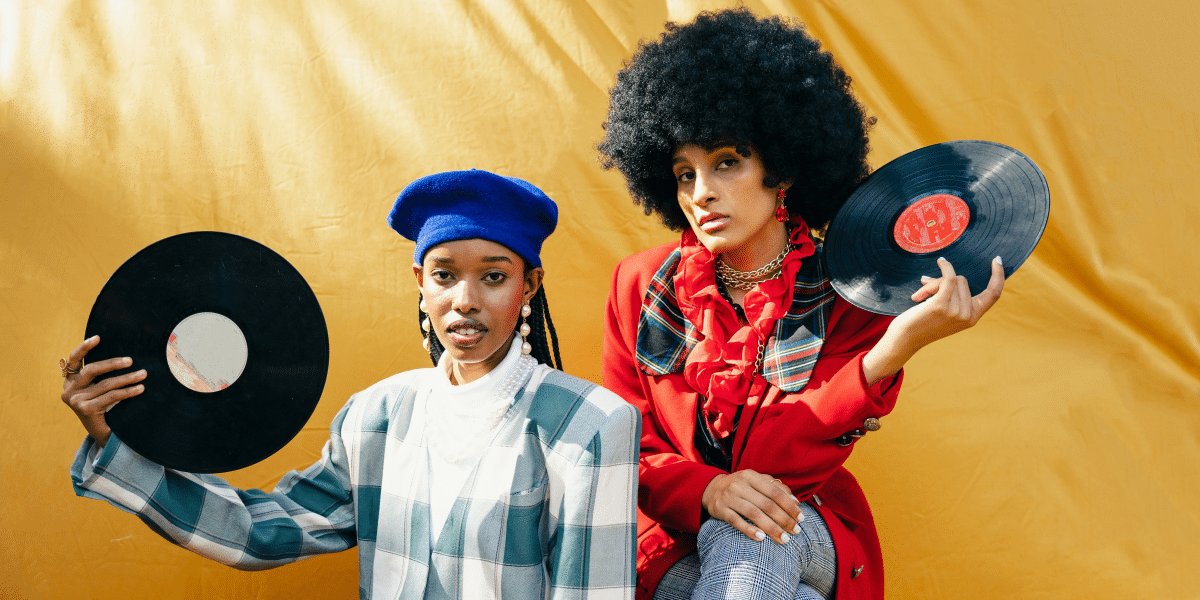
The resurgence of vinyl records in the digital age is more than a trend; it’s a cultural movement. The allure lies not just in the nostalgia but in the tangible, authentic, and communal experience that vinyl offers. As the needle glides along the grooves, vinyl enthusiasts savor the crackles and pops, embracing the imperfections that make each play a unique journey. In a world where everything is digital and fleeting, vinyl stands as a testament to the enduring magic of analog music. So, dust off that turntable, flip through those records, and let the vinyl revolution spin its nostalgic charm into your musical soul.