Music Observer

Michael Benedetti: Innovating the Drag Entertainment Scene

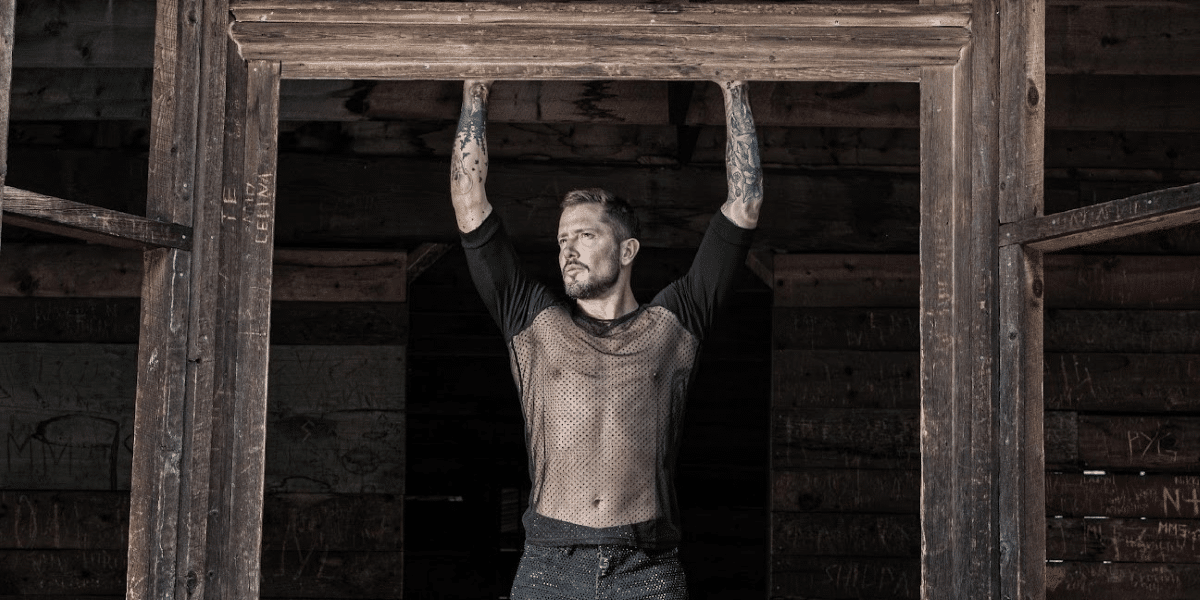
Modern artists and professionals stretch their creative limits to create innovations in the drag and entertainment industry. Drag show innovators are adding multimedia, live music, and high fashion to make performances immersive. These attempts improve visual and acoustic appeal and promote inclusion and diversity, reflecting social developments and reinventing entertainment. Michael Benedetti, a prominent individual in entertainment, is among the professionals shaping the drag entertainment scene. Over two decades, Benedetti has pursued talent creation and development across several fields. From his early modeling and singing career to promoting drag entertainment, Benedetti has strived for innovation.

Michael Benedetti started modeling in 2001 and gained prominence with his debut with Clive Barker. After his maiden public appearance, Benedetti managed public relations and marketing for several nightclubs and events in the music sector. His early experiences in talent acquisition and event management prepared him for his future.

Executive PR & Talent (EPR&T), a talent agency, public relations consultancy, and touring management business, was formed by Benedetti in the mid-2000s. From the start, EPR&T wanted to create a global platform to promote talent to venues, tours, and performances. EPR&T’s branding, recording, and touring services were designed to represent and foster talent in various fields, including drag entertainment. Benedetti made EPR&T a leading talent agency through his efforts. He differentiated EPR&T by spotting and developing talent in music, fashion, and drag. A broad clientele, from rising artists to renowned stars, profited from Benedetti’s strategic vision and industry knowledge due to the agency’s services.

A specialized drag category at EPR&T was a career highlight for Michael Benedetti. He wanted to help drag artists succeed in light of the genre’s growing popularity and cultural relevance. This group nurtured drag talent and gave them the tools they needed to compete globally. EPR&T’s drag division collaborated with drag industry leader Producer Entertainment Group (PEG) in 2017. This collaboration strengthened and enlarged both firms, making it a turning point. Through the collaboration, PEG’s network and skills helped EPR&T promote drag talent internationally.

EPR&T’s licensing and publishing skills expanded after the collaboration, allowing the agency to provide additional services to customers. This collaboration also gave EPR&T a more diverse and comprehensive drag artist roster, making it a drag entertainment powerhouse. EPR&T’s several high-profile events and tours have shaped drag entertainment under Michael Benedetti’s leadership. Dragapalooza is a prominent breakthrough for the organization, featuring drag performers performing live music. Dragapalooza is praised for its creative method of promoting drag artists in a concert atmosphere.

Dragapalooza and other ventures have made EPR&T a drag entertainment leader. The agency’s high-quality events that attract audiences have raised drag performance standards. These events allow drag performers to perform and promote drag as a genuine art form. Besides Dragapalooza, EPR&T has organized tours and events that showcase drag talent’s versatility and originality. The agency strives for quality in every endeavor, from modest performances to international tours under Benedetti’s management.

Michael Benedetti’s drag entertainment impact goes beyond EPR&T events and initiatives. Under his direction, the drag talent roster has grown and diversified, bringing drag artists success and notability. Benedetti has helped drag entertainment gain recognition and acceptability, paving the path for future drag performers. Benedetti’s work with EPR&T has also made drag performers feel more accepted. He has helped them achieve their creative potential by giving them the required resources and opportunities. His support of talent and diversity has inspired many drag performers to follow their goals.

The drag entertainment business has grown and changed due to Benedetti’s efforts. Due to rising awareness and acceptability, drag performers have more opportunities in the entertainment business and beyond. Benedetti has boosted drag artists’ reputations and broadened public knowledge and acceptance of drag as a valid and significant art form. Michael Benedetti and EPR&T have also faced obstacles in providing opportunities for drag artists. Drag entertainment has distinct challenges in the competitive and unpredictable entertainment business. Benedetti has persevered and adapted despite these obstacles.

Managing the changing entertainment scene during the COVID-19 pandemic was difficult for Benedetti. The global health crisis halted several tours and performances. However, Benedetti’s creativity shined through as he switched to virtual events and digital alternatives to keep drag performers reaching their followers despite the constraints. EPR&T survived a rough era because of its adaptation, which created new channels for fan engagement for drag entertainment growth.

The Producer Entertainment Group collaboration was another issue. The alliance offered many advantages, but aligning two companies’ processes and cultures needed careful planning and execution. Benedetti’s leadership and strategic vision guided this challenging process, creating a stronger, more flexible agency. Benedetti’s career is full of accomplishments despite these challenges. For example, EPR&T’s Dragapalooza achievement has entrenched its industry leadership. The agency’s comprehensive talent list and vast network of connections demonstrate Benedetti’s ability to develop and manage elite talent.

Michael Benedetti supports LGBTQ+ rights, inclusion, and representation outside of work. His diversity and inclusion advocacy are entwined with his drag performance career. Benedetti also supports several charity causes. He donates to the American Society for the Prevention of Cruelty to Animals (ASPCA), and Tunnel to Towers Foundation.. His philanthropic effort shows his commitment to improving society and supporting issues he supports. James and Dean, Benedetti’s loving pets, also provide him pleasure and friendship.

Michael Benedetti made a name in promoting drag talent through EPR&T. EPR&T has become an industry leader in quality and innovation under his imaginative leadership. He transformed drag entertainment through dedication to skill, diversity, and creative expression. Benedetti’s vision inspires and challenges the status quo, and his commitment to invention, cooperation, and activism will shape drag entertainment for years.

Published by: Nelly Chavez
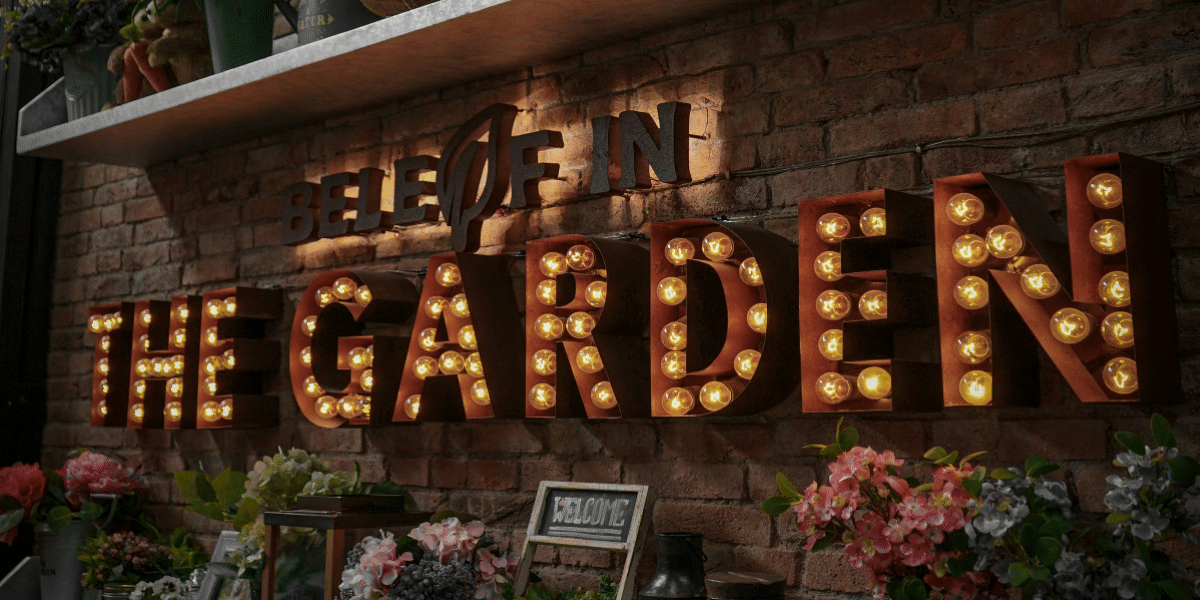
Jeremy Parsons Offers Reflective Masterclass in Songwriting on “The Garden”

Jeremy Parsons’ latest single, “The Garden”, invites listeners into an intimate meditation on mental health, resilience, and personal growth. Rooted in the metaphor of gardening, Parsons crafts a deeply reflective song that connects the physical act of tending to a garden with the emotional labor of maintaining mental and emotional well-being. The track’s folk-country sensibility draws from Parsons’ Texas roots while resonating with a universal message about nurturing oneself, even in the face of life’s inevitable ups and downs.

Lyrically, The Garden is both simple and profound. The central metaphor of a garden thriving or withering based on the gardener’s emotional state unfolds throughout the song. Parsons begins by asking the listener, “Tell me what’s growing there in your garden / Does it wither when you’re feeling blue?” This imagery—so familiar to anyone who has tended a garden—becomes a stand-in for one’s emotional health. It’s a gentle question, reflective of the song’s overall tone, where curiosity and concern blend. Parsons isn’t intruding; he’s more of an empathetic observer.

The chorus further explores this duality of internal and external states. “I see from where I am that your garden is thriving / And I hope that means you are too” suggests an awareness that what appears healthy on the outside may not necessarily mirror internal well-being. There’s a wistfulness to the line, hinting at the possibility that someone could be outwardly successful while still struggling internally—a theme that has resonated deeply in post-pandemic songwriting, where the importance of mental health has taken center stage.

Musically, the song leans into Parsons’ strengths as a storyteller. The arrangement is sparse but effective, with acoustic guitars at the forefront, allowing the lyrics to take center stage. There’s a warmth to the production, reminiscent of singer-songwriters like John Prine or Guy Clark, whose ability to blend everyday moments with universal truths is echoed in Parsons’ work. The subtle backing instrumentation complements his easygoing vocal delivery, never overshadowing the heart of the song: the story.

In many ways, “The Garden” feels like a personal conversation between Parsons and the listener. His own connection to the metaphor runs deep, with his father, a horticulturist in Texas, serving as the inspiration behind much of the imagery. Parsons reflects on childhood memories of working in the garden and the lessons he learned through that experience—lessons about patience, persistence, and, ultimately, the connection between the state of the garden and the state of the gardener. The song, written while Parsons observed his neighbor Brielle tending her garden in East Nashville, is layered with personal history and thoughtful observation. This lived experience gives the song an authenticity that resonates beyond its simple, singable melody.

The track also taps into broader themes of mindfulness and self-care, resonating with anyone who has struggled to maintain balance in their life. Parsons’ repeated refrain of “I hope that means you are too” serves as both a gentle nudge to check in on the listener’s own well-being and a reminder that, like a garden, tending to oneself requires regular care and attention. It’s not an overtly prescriptive song; rather, it encourages introspection and suggests that growth—both in the garden and in life—takes time and effort.

Vocally, Parsons delivers the lyrics with a relaxed sincerity. There’s a certain weightlessness to his voice that makes the heavy themes feel approachable rather than burdensome. His voice rises and falls with the ease of a conversation, allowing the listener to sink into the song’s reflective mood. This lack of pretense enhances the song’s emotional impact. Parsons isn’t trying to offer easy answers, but his sincerity in asking the right questions is what makes “The Garden” so compelling.

Standout lines like “I see you looking for the sun / I feel you countin’ on the rain” capture the cyclical nature of personal struggles and growth, evoking the patient optimism that defines gardening—and life itself. This mix of hope and realism is the song’s core strength, making it an anthem for those seeking a balance between pushing forward and embracing where they are.

“The Garden” is a masterclass in songwriting that feels both deeply personal and entirely universal. With its tender lyricism, gentle instrumentation, and Parsons’ authentic storytelling, the track stands as a beautiful reminder of the delicate relationship between our internal worlds and the physical spaces we tend to. This song will resonate with anyone who has ever sought solace in nature—or in themselves.

Published by: Nelly Chavez

A Look Inside the Lyrics of “Spaghetti Western” by Vento, Ziggy, Hawk & McCarthy

Vento, Ziggy, Hawk & McCarthy’s latest single, “Spaghetti Western” takes a playful yet thoughtful approach to exploring identity, cultural fusion, and the myth of the Western hero. Through its whimsical wordplay and vivid imagery, it invokes the cinematic Western tradition—particularly the Italian sub-genre of “Spaghetti Westerns”—while adding a distinctly humorous and creative twist. Below is a full breakdown of the song’s key themes, language, and cultural references.

Chorus

“I’m a bad outlaw in a Spaghetti Western  

From the tip of the boot you can’t buy in Texas  

This Italian stallion is keepin’ ‘em guessin’  

As the bad outlaw in a Spaghetti Western”

The chorus introduces the core theme of the song: a self-proclaimed “bad outlaw” who stars in a “Spaghetti Western,” the sub-genre of Western films that emerged in Italy during the 1960s. By aligning the narrator with this genre, the song immediately sets up a dual identity—half American cowboy, half Italian anti-hero.

The line “From the tip of the boot you can’t buy in Texas” cleverly alludes to Italy’s geographical shape, often described as a “boot.” It establishes a playful contrast between the typical American Western setting (Texas) and the Italian setting, foreshadowing a cultural mashup that drives the song.

“This Italian stallion is keepin’ ‘em guessin’” adds another layer of humor, with “Italian stallion” being a common (and slightly comedic) term referring to a strong, romanticized male figure from Italy. In the context of a Western, it paints the narrator as an unpredictable, hybrid cowboy—half machismo, half Mediterranean mystique. The use of the phrase “keepin’ ’em guessin’” suggests that this figure defies expectations, much like the Spaghetti Western films themselves, which introduced a grittier, more morally ambiguous version of the American cowboy.

Verse 1:

“I was born in the holler deep in an olive grove  

Oh my mamma Mia told me I was bound to roam  

Saw a cowpoke dancin’ up on the silver screen  

Said when I grow up that’s what I’m gonna be”

Here, the narrator establishes his origin as a mix of two contrasting worlds. The term *“holler”* typically refers to a remote, rural area in the Southern United States, commonly associated with American Appalachian culture. However, it’s juxtaposed against “an olive grove,” a symbol of Mediterranean agriculture, particularly in Italy. This contrast between American and Italian landscapes is a running motif throughout the song, highlighting the cultural fusion of Spaghetti Westerns.

The phrase “mamma Mia” ties the narrator’s origin back to Italy, further cementing this blend of influences. The idea that the narrator’s mother told him he was “bound to roam” references the classic Western trope of the wandering cowboy, reinforcing the character’s desire for freedom and adventure.

The verse continues with a nod to the power of cinema in shaping identity. The narrator sees “a cowpoke dancin’ up on the silver screen” and dreams of becoming a cowboy, much like children of past generations who watched Westerns and idolized these larger-than-life figures. This line shows how iconic film imagery shapes personal aspirations and identity, particularly in the world of Westerns.

Verse 2:

“I made out for San Antone to get a pair of spurs  

A six-gun, a ten-gallon hat to woo them rancher girls  

Gonna make ‘em ravioli, gonna show ‘em how it’s done  

This crafty macaroni’s takin’ names and shootin’ guns”

In this verse, the narrator embarks on his journey to San Antonio (San Antone), a city often associated with cowboy culture and the Texas frontier. The purchase of “spurs,” a “six-gun,” and a “ten-gallon hat” symbolizes his embrace of the classic cowboy image, yet he does so with a humorous, slightly exaggerated tone. The romanticized idea of wooing “rancher girls” adds to the lighthearted and playful feel of the narrative.

“Gonna make ‘em ravioli, gonna show ‘em how it’s done” brings Italian culture directly into the heart of this Western narrative. The mention of ravioli, a quintessential Italian dish, in a context where one might expect barbecue or beans, flips the traditional cowboy image on its head. The narrator humorously positions himself as a “crafty macaroni,” blending the culinary and cowboy worlds in an absurd but delightful way. He’s not only taking names and shooting guns, but also showcasing his Italian heritage in the Wild West, emphasizing the cultural crossover.

Verse 3:

“Caesar was a cowboy just like Vito Corleone  

If you’re good, bad, or ugly all the roads still lead to Rome  

I’m a marinara rambler in the parmesan parade  

Tearing up the honky tonks in Venice and Pompeii”

The final verse continues the cross-cultural references, blending Italian and Western archetypes. The line “Caesar was a cowboy just like Vito Corleone” bridges two famous Italian figures from vastly different historical contexts—Julius Caesar, the Roman emperor, and Vito Corleone, the fictional mafia boss from The Godfather films. This playful comparison suggests that the cowboy spirit transcends time and geography, spanning everything from ancient Rome to modern-day mafia movies.

The line “If you’re good, bad, or ugly, all the roads still lead to Rome” is a reference to Sergio Leone’s famous film The Good, the Bad, and the Ugly, a defining Spaghetti Western. The line highlights the idea that no matter where one falls on the moral spectrum (good, bad, or ugly), Italian roots are central. This further solidifies the song’s recurring theme of cultural crossover.

“I’m a marinara rambler in the parmesan parade” emphasizes the narrator’s dual identity, blending the imagery of Italian cuisine with the notion of a cowboy “rambling” across the landscape. The idea of tearing up “honky tonks in Venice and Pompeii” reinforces the absurd yet endearing premise of a cowboy not just in Texas but across Italy’s ancient ruins and cities.

Conclusion

“Spaghetti Western” is a witty, tongue-in-cheek exploration of identity through the lens of the Western mythos, mixing American cowboy culture with Italian heritage. The lyrics navigate this cultural fusion in a way that feels both absurd and reverential, paying homage to the Spaghetti Western genre while offering something fresh and original. At its core, the song is about transcending borders—geographical, cultural, and cinematic—to create something uniquely enjoyable.


Published by: Khy Talara

Katy Perry Revives Bold Fashion Trend with Stunning Dress

Katy Perry, known for her bold and fearless fashion choices, has once again turned heads by breathing new life into the naked dress trend. The iconic pop star, famous for her out-of-the-box red carpet looks, recently showcased her daring sense of style with a stunning take on the naked dress, reminding everyone why she continues to be a trailblazer in the fashion world.

The naked dress, characterized by its sheer, body-hugging design that leaves little to the imagination, first gained widespread popularity in the 1990s. Celebrities like Cher and Kate Moss were among the early adopters of this trend, making it a symbol of confidence and boldness. In recent years, the trend has seen a resurgence, with many of today’s big stars adding their own spin to the style. Katy Perry’s version of the naked dress brings a fresh, modern twist, making it a hot topic in 2024.

Katy Perry’s Bold Fashion Statement

Perry’s appearance in a striking sheer ensemble redefined the naked dress, merging elegance with edginess. The look, which featured intricate detailing and just the right amount of coverage, highlighted her playful yet sophisticated fashion persona. Perry’s choice to reinvigorate the naked dress trend fits perfectly with her career-long approach to fashion: fearless, fun, and always unexpected.

Unlike some previous iterations of the trend that emphasized shock value, Perry’s interpretation manages to balance sensuality with artistry. Her choice of accessories and bold makeup further enhanced the look, making it clear that Perry understands how to make a statement while keeping it tasteful.

The Evolution of the Naked Dress

The naked dress has a rich history in pop culture, with each decade bringing its own unique take on the trend. What started as a daring and rebellious fashion choice in the ’90s evolved into a symbol of empowerment and body positivity in the 21st century. While some may view the naked dress as overly suggestive, others see it as a bold statement of confidence and self-expression.

Katy Perry’s reintroduction of the trend in 2024 is significant because it reflects how fashion continues to evolve with cultural changes. Today, the naked dress is more than just a fashion statement—it’s a celebration of body confidence and individuality. Designers are taking note, incorporating sheer fabrics and daring cuts into their collections, inspired by stars like Perry, who are unafraid to push boundaries.

How Katy Perry’s Look is Inspiring Fashion Trends

Perry’s reinvigoration of the naked dress trend is already influencing fashion designers, stylists, and influencers. The sheer, barely-there look is popping up on runways, red carpets, and social media, with many people taking cues from Perry’s sleek, high-fashion approach.

Fashion designers are incorporating similar elements into their latest collections, with delicate lace, sequins, and strategic embroidery offering a more refined take on the classic naked dress. Celebrities are following suit, wearing their own versions of the style, proving that the naked dress is more than just a fleeting trend—it’s here to stay.

Additionally, the trend is gaining traction with younger audiences, many of whom view it as an opportunity to embrace body positivity and personal expression. Social media platforms like Instagram and TikTok are flooded with fashionistas experimenting with sheer fabrics and bold designs, further cementing the naked dress as a must-have style in 2024.

A Trend That’s Here to Stay

Katy Perry’s revival of the naked dress trend is a reminder of fashion’s cyclical nature, where past trends return with fresh interpretations. Her daring look has sparked conversation not only in the fashion world but also among fans who admire her for always keeping her style both exciting and unpredictable.

The naked dress may have started as a boundary-pushing piece in the ’90s, but thanks to Perry and other trendsetters, it’s become a symbol of empowerment, self-expression, and body positivity. As 2024 continues, the naked dress is expected to remain a popular choice for those looking to make a bold, fashion-forward statement.

To get the full scoop on Katy Perry’s iconic naked dress look and its impact on current fashion trends, visit allamericanthinker.com.


Published by: Khy Talara